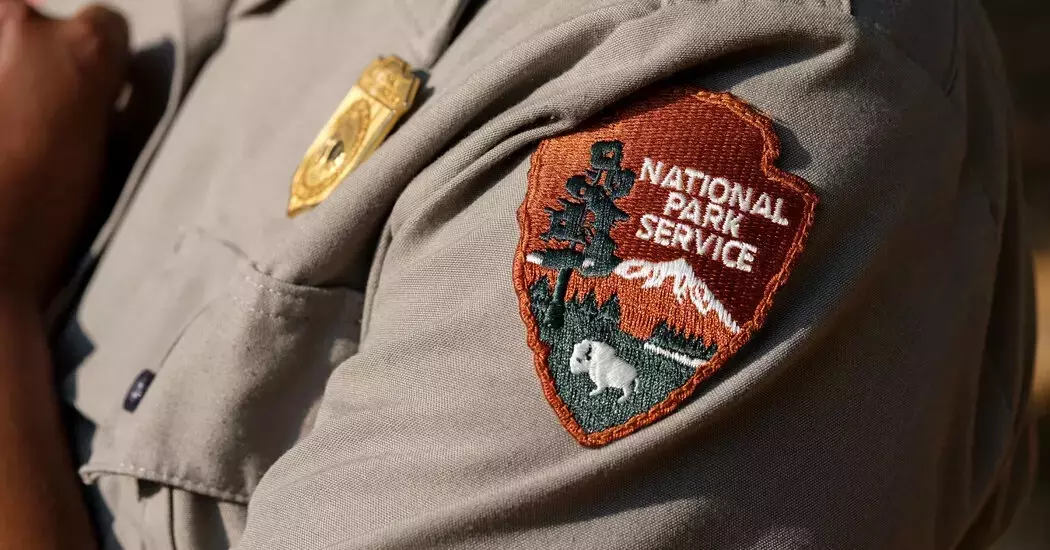
A group of former national park rangers have taken to social media to express their concerns and share their experiences following recent job terminations. Josh Barnes, who once found joy working at Sequoia National Park during his summer breaks, was among those let go from Carlsbad Caverns National Park in New Mexico. The dismissals, which affected thousands of employees across the country, were part of a broader initiative by the previous administration to reduce the federal workforce. Despite fears about future employment, many rangers felt compelled to voice their worries over the impact on public lands and the people who cherish them.
For many park workers, their roles are driven by a deep love for nature and a commitment to preserving these natural treasures. Barnes, now 25, described his position as more than just a job—it was a calling. After securing a permanent role at Carlsbad Caverns, he was eager to continue his work welcoming visitors and protecting the park's unique features. However, his hopes were dashed when he received news of his termination on Valentine's Day. The sudden loss left him feeling not only personally affected but also concerned about the broader implications for the parks and their preservation.
Barnes expressed his distress through an emotional post on Instagram, where he highlighted his fear for the future of public lands under the current policies. He acknowledged the risks involved in speaking out but believed it was necessary to raise awareness about the situation. His words resonated with many others in the ranger community, leading to a growing chorus of voices expressing similar sentiments online.
The decision to cut jobs has sparked debate about the balance between fiscal responsibility and maintaining essential services within the National Park Service. While officials claim the reductions aim to streamline operations without compromising core functions, many rangers argue that such measures could undermine the long-term health and accessibility of these protected areas. As more individuals join the conversation, they hope to bring attention to the value of these positions and the importance of safeguarding America's natural heritage.
The collective outcry from current and former rangers reflects a deeper concern for the future of national parks. By sharing their stories, they aim to highlight the personal and environmental stakes involved in these policy changes. Their actions underscore a commitment to advocacy and a desire to ensure that these beloved spaces remain accessible and well-preserved for generations to come.
