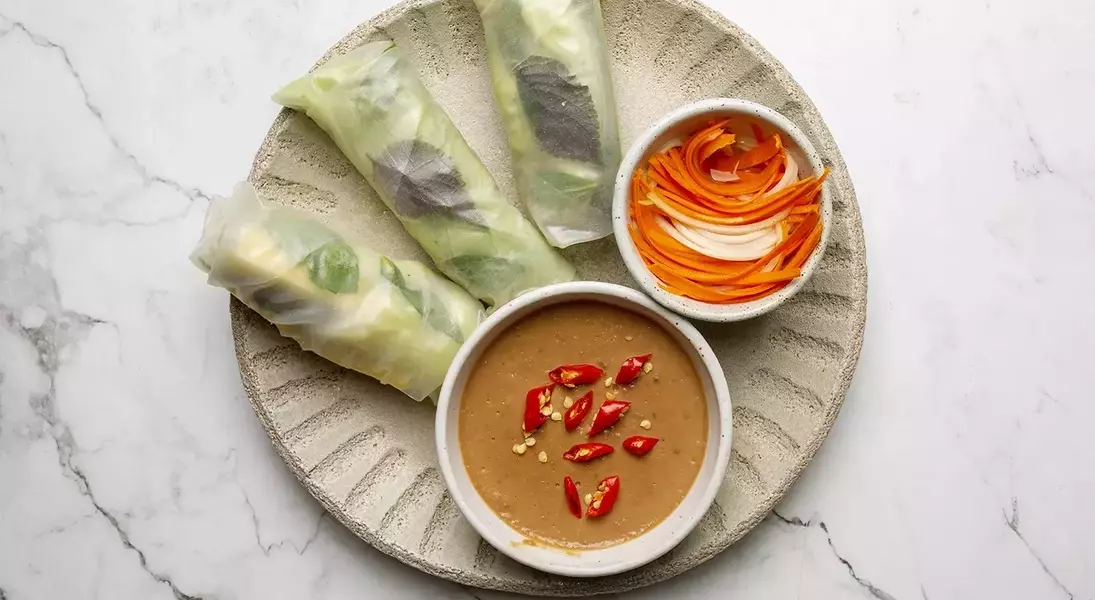
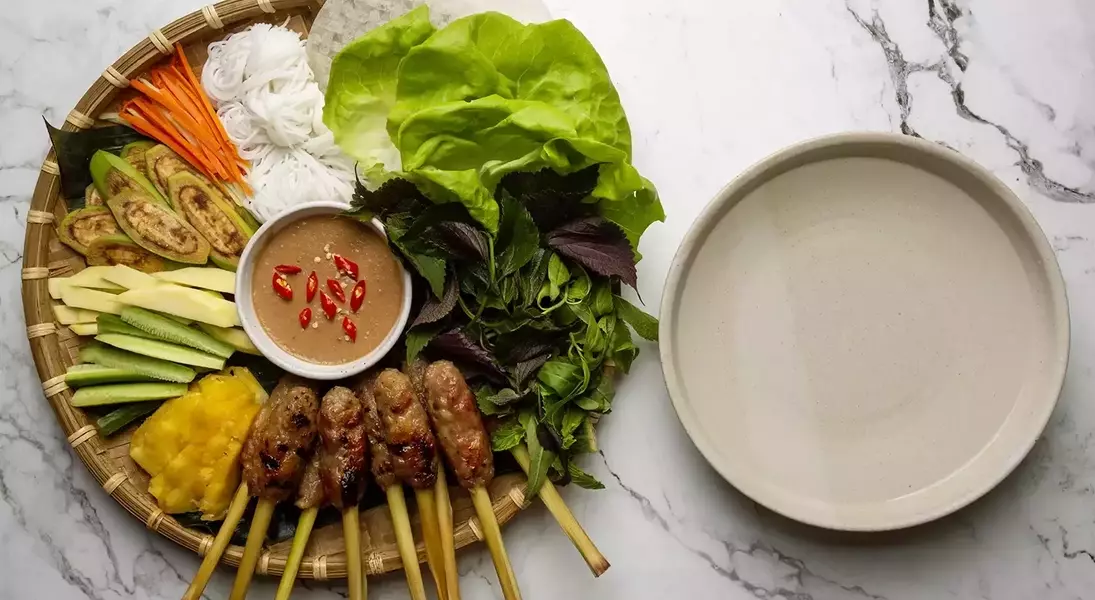
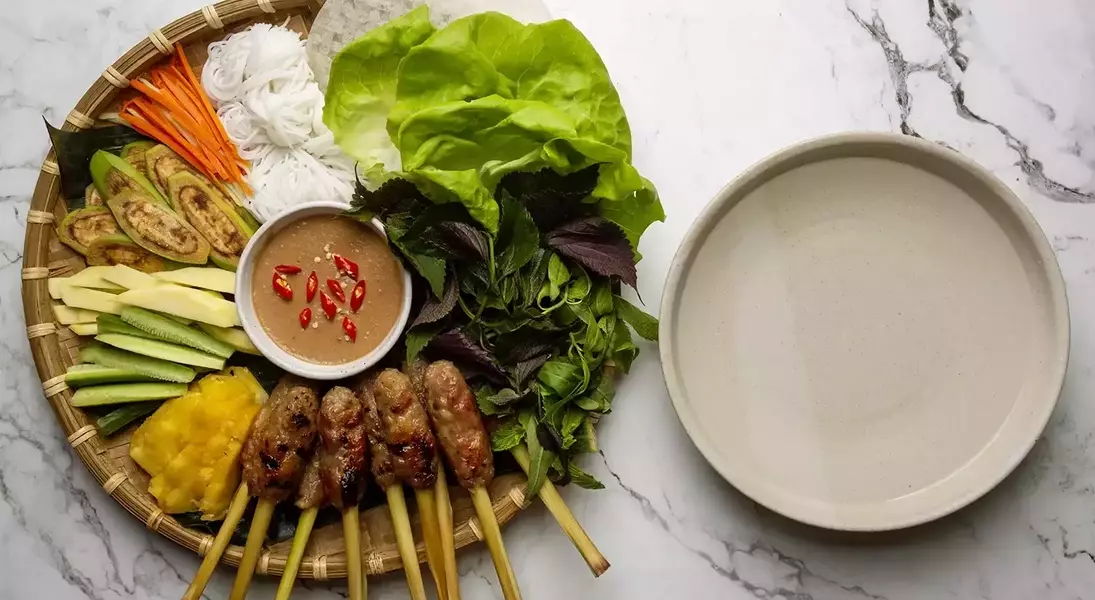
For many, Vietnamese cuisine evokes images of steaming bowls of phở or crunchy bánh mì. However, an equally representative, if not more versatile, culinary experience is the Vietnamese rice paper roll platter. This communal feast adeptly showcases Vietnam's diverse regional palates, blending the refined tastes of the North with the bold spices of the Central region and the sweet inclinations of the South. It also highlights universal Vietnamese preferences, such as the staple use of rice and a generous array of fresh herbs and vegetables.
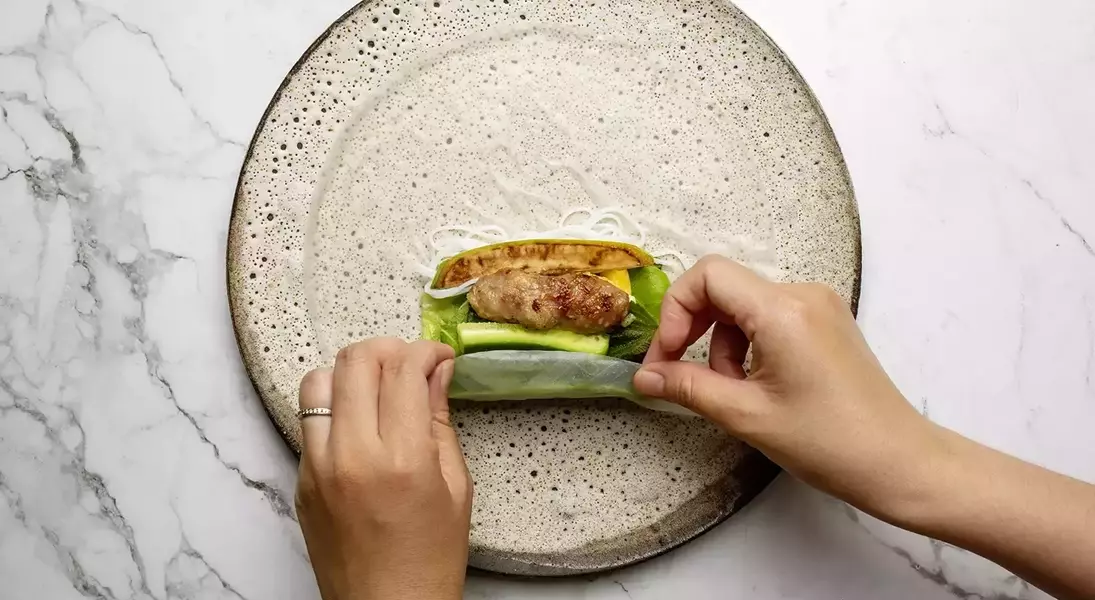
Despite its extensive ingredient list, the rice paper roll platter is designed for simplicity and immediate customization. Envision it as a deconstructed spring roll, where each diner personally selects fillings to create their ideal bite. Certain combinations have achieved legendary status, becoming emblematic of their origins; examples include cá lóc cuốn bánh tráng, featuring grilled snakehead fish from the Mekong Delta, and bánh tráng thịt luộc, showcasing poached pork from Da Nang. In the northern city of Hanoi, nem thính cuốn, or rice paper rolls with pig’s ears and toasted rice powder, is another beloved local delicacy. Helen Le, creator of 'Helen’s Recipes' and author, emphasizes the dish's perfect balance of taste and nutrition. She notes the presence of carbohydrates from rice paper and vermicelli, protein from fish, meat, or tofu, and a medley of fresh herbs and vegetables. The experience culminates with a distinctive dipping sauce, which serves to unify all the diverse elements. Food experts, including Helen Le, Lauren Lopez, Vicky Tong from 'Viet Home Cooking,' and Jimmy Ly of Madame Vo BBQ, underscore the careful selection and preparation of each component to ensure an authentic and delightful dining experience.
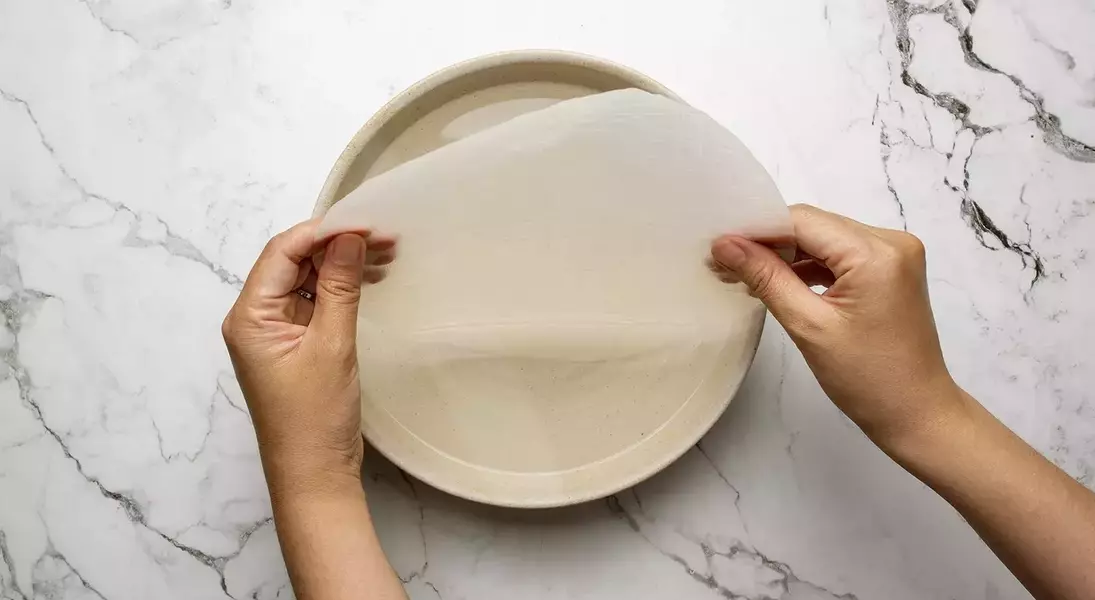
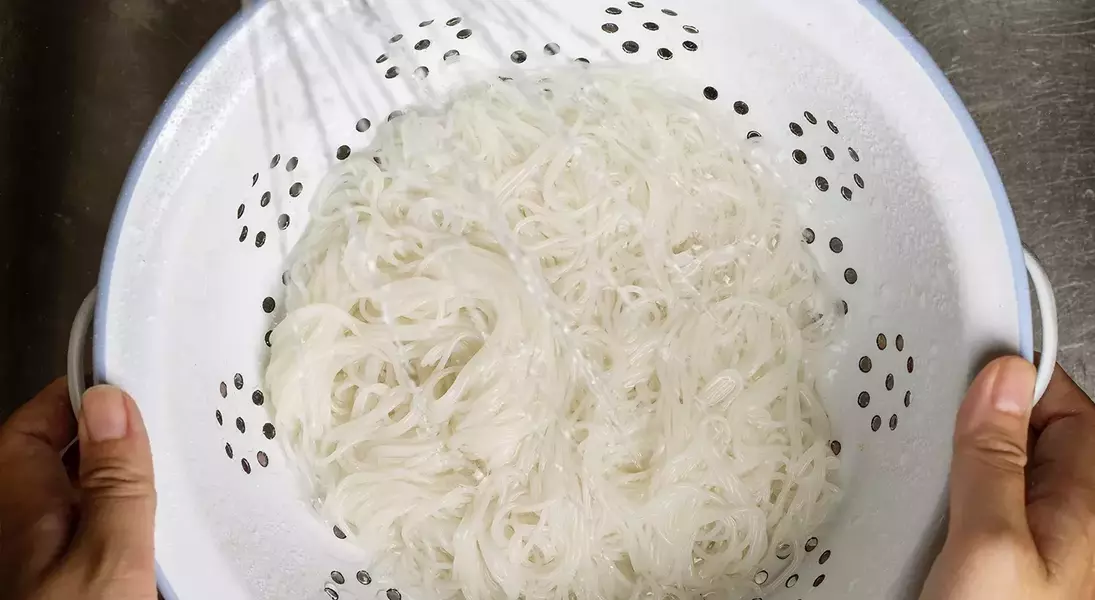
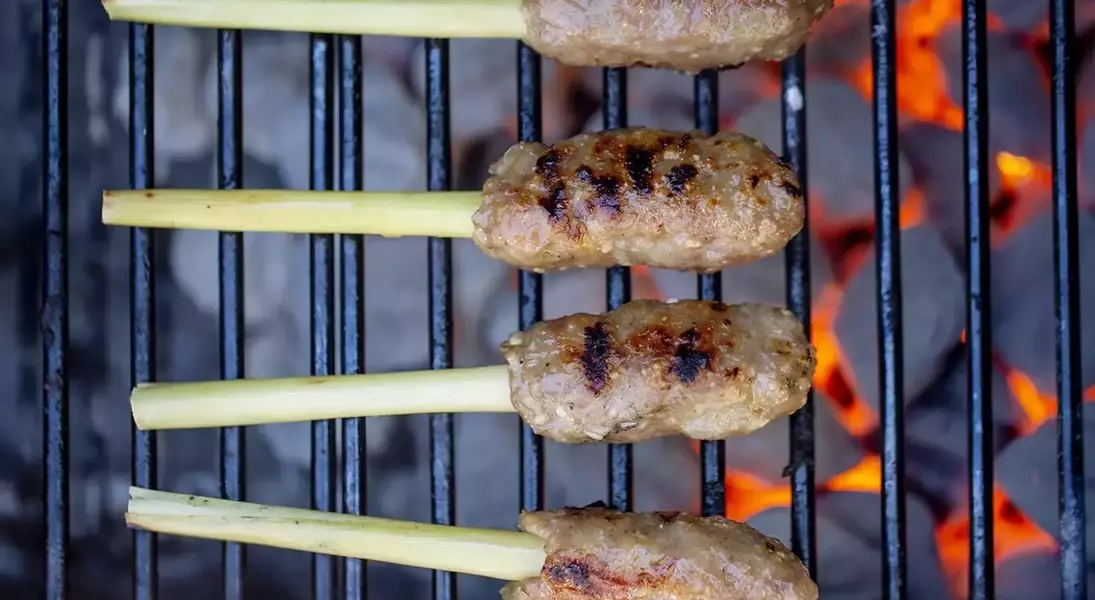
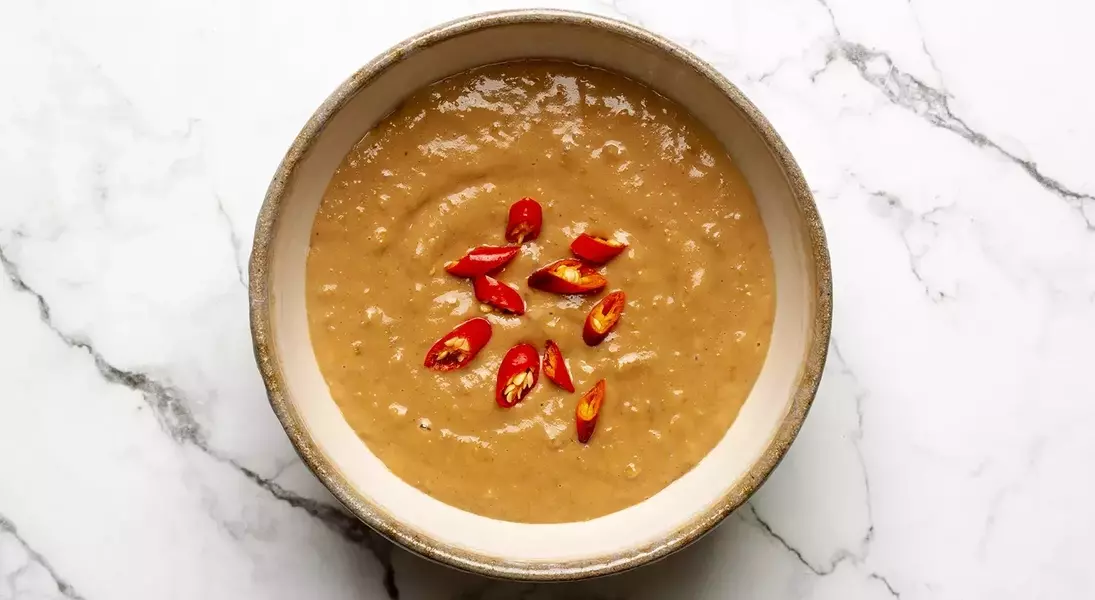
The journey of making rice paper is an intricate and traditional craft, with centuries-old villages specializing in its production. While plain varieties are most common, flavored options exist, incorporating coconut milk, sweet potatoes, sesame seeds, dried bananas, or salted shrimp. For home preparation, choosing the right rice paper is crucial; experts advise against those made purely from tapioca flour, favoring those with a higher rice flour content for better pliability and texture. Proper moistening of the rice paper is also key, requiring a gentle touch rather than full submersion, to achieve the perfect wrap. The platter is further enriched with a generous assortment of raw herbs and vegetables, offering a spectrum of flavors from floral to earthy, bitter to sour, and herbaceous notes. These components provide a vibrant contrast to the richer protein elements and the savory dipping sauces. Rice vermicelli, known as bún, serves as the primary starch. In Vietnam, fresh bún is readily available, but in other regions, dried versions require careful preparation—boiling until translucent and rinsing with cold water to prevent clumping. Proteins for the rolls range from thinly sliced poached pork to grilled nem lụi (lemongrass pork skewers) and steamed or grilled fish, often minimally seasoned to allow the fresh components and dipping sauce to shine. The dipping sauce itself is a critical element, capable of transforming the entire dish. Options vary regionally, from the pungent mắm nêm (fermented fish sauce), often tempered with sugar and fruit, to the more universally appealing nước chấm, with its sweet and spicy Southern variations or milder Northern renditions. Some, like the hoisin peanut sauce, offer a unique blend of flavors, while elaborate meat sauces accompany specific grilled dishes. When assembling, a balanced arrangement of all ingredients ensures every bite is a harmonious blend of textures and tastes, reflecting the vibrant culinary tradition of Vietnam. This dish, whether enjoyed casually at home or elegantly in restaurants, embodies a shared cultural experience, connecting people through the rich bounty of Vietnamese cuisine.
