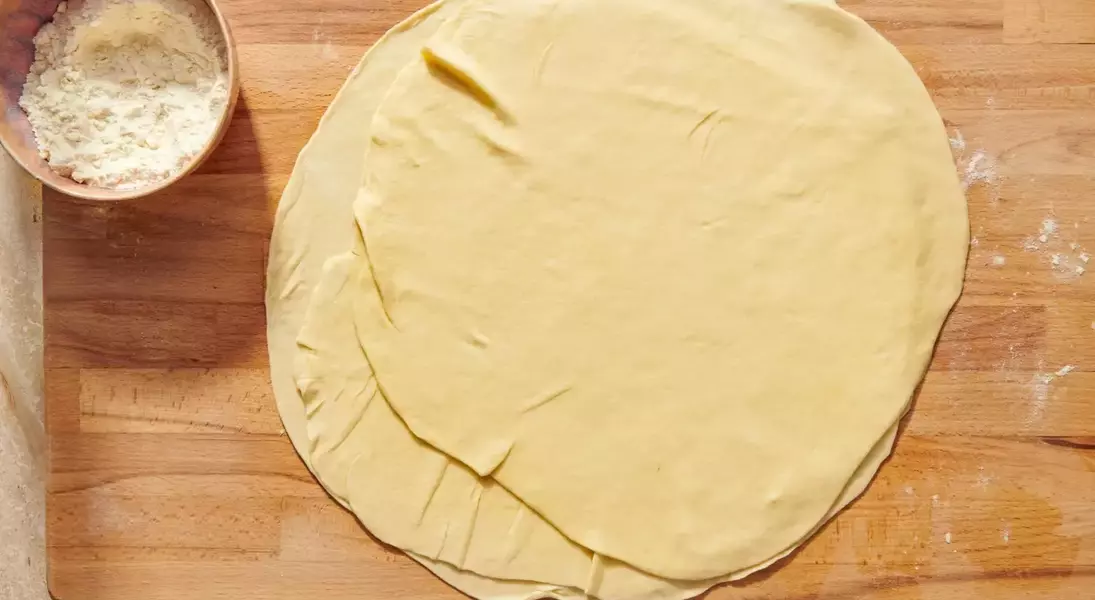
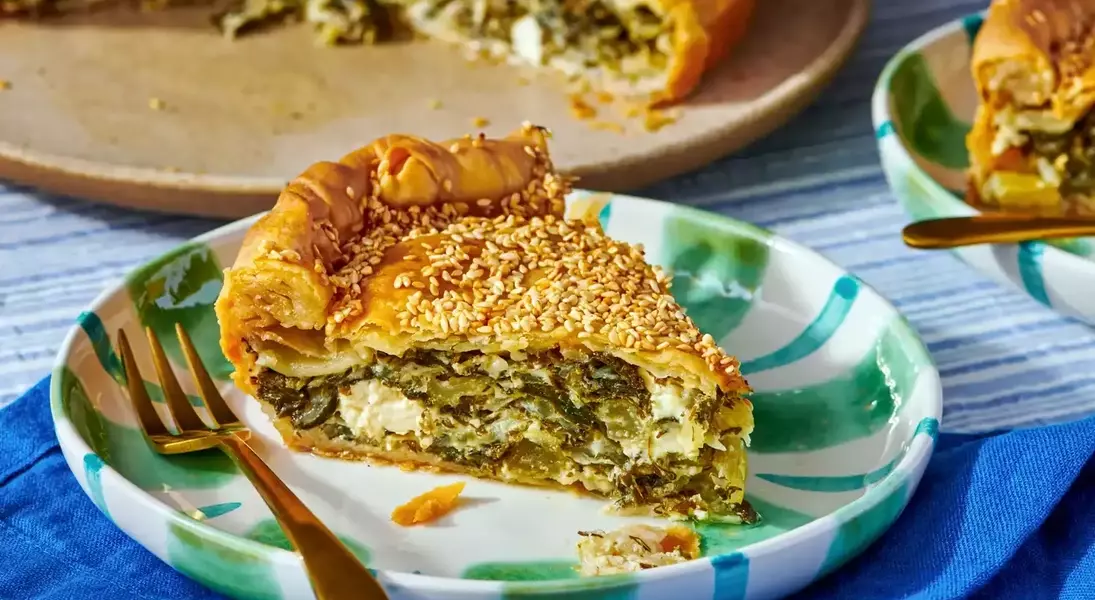
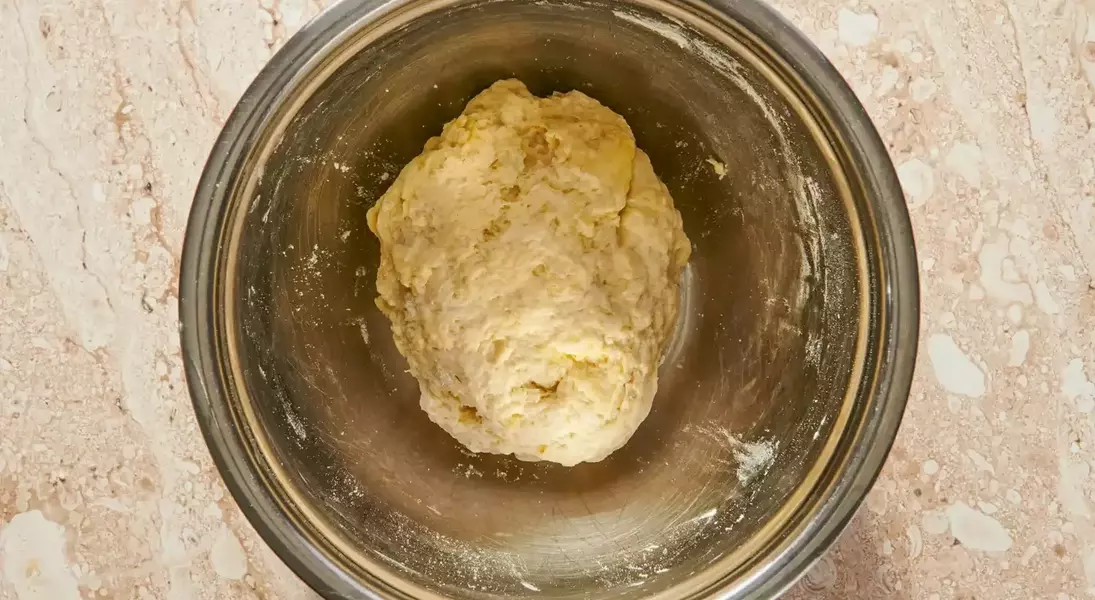
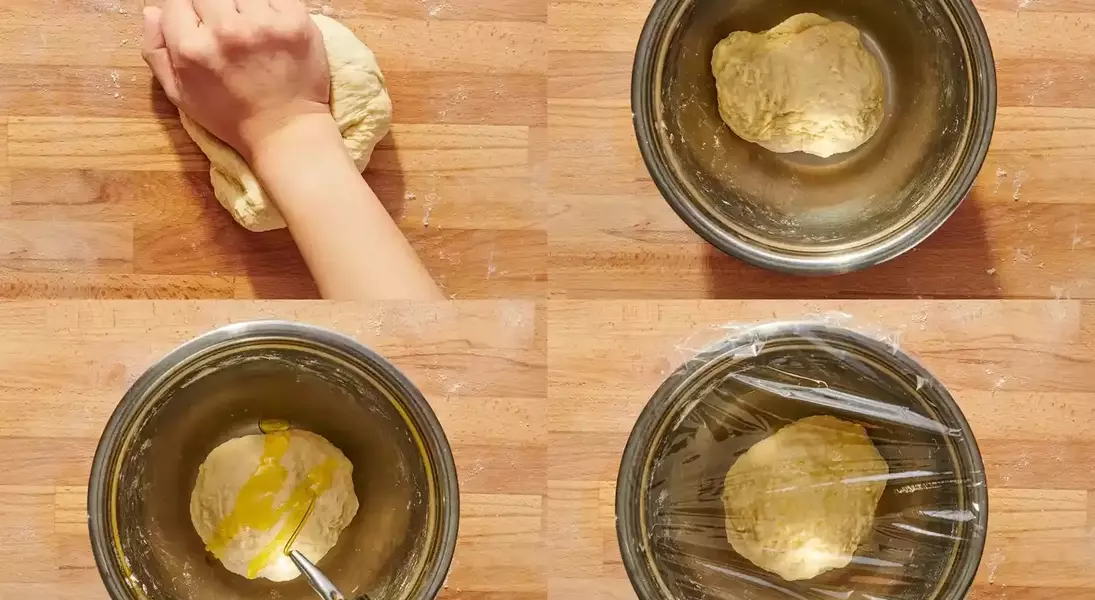
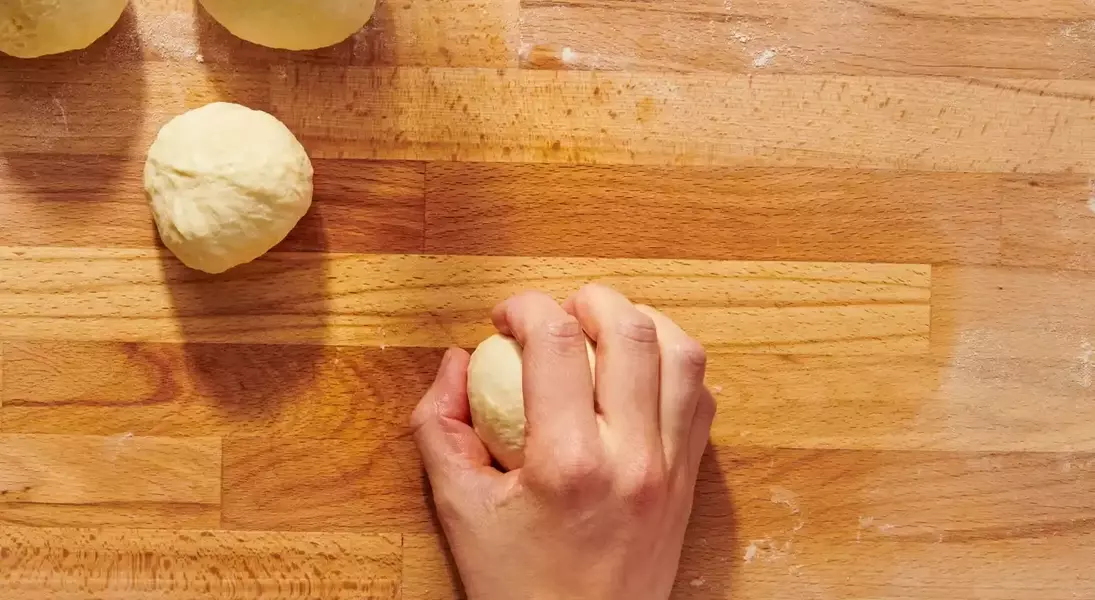
Phyllo dough, a staple in Greek cuisine, is more accessible to prepare at home than many might believe. Though not a task for a busy weekday, dedicating time to this craft on a weekend can become a cherished ritual, providing immense satisfaction and laying the groundwork for a myriad of Greek dishes. This technique also offers an entry point into the broad and diverse world of Greek pies, extending far beyond the well-known spanakopita. By mastering this fundamental skill, home cooks can confidently explore a rich culinary tradition.
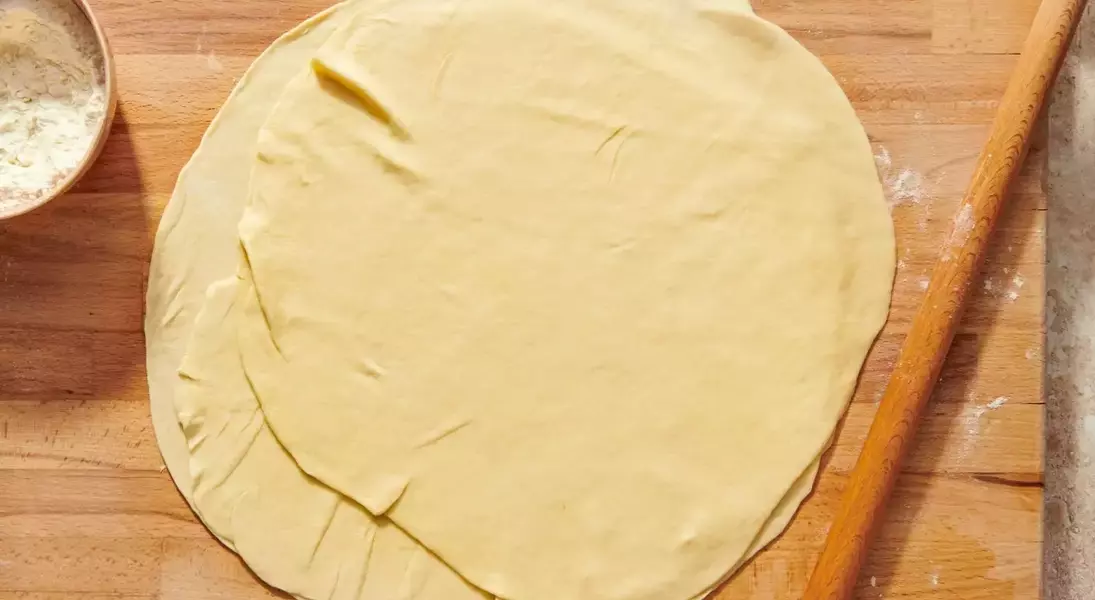
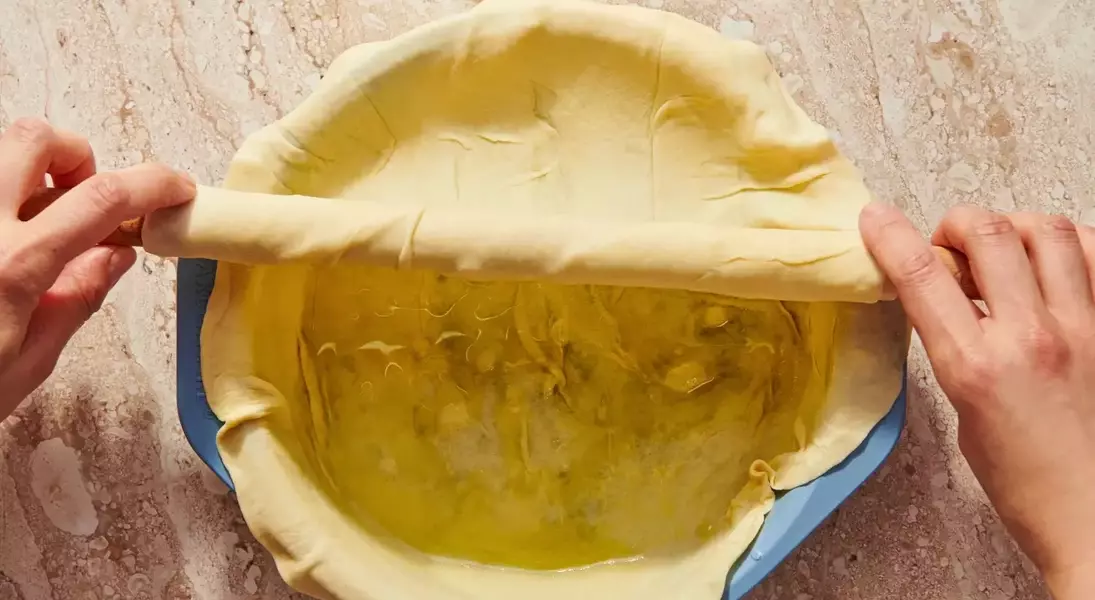
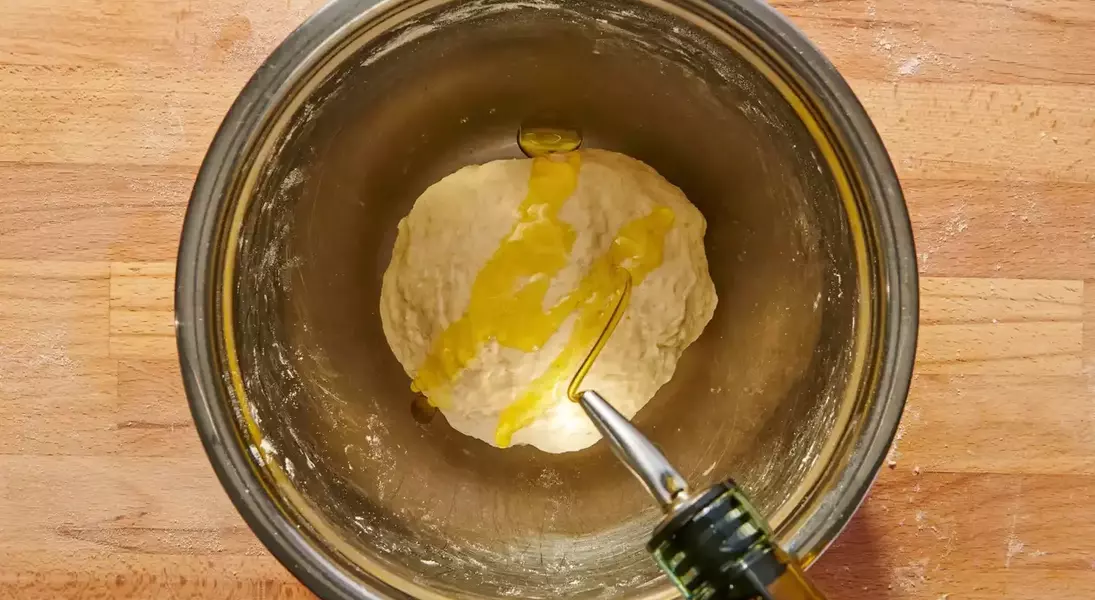
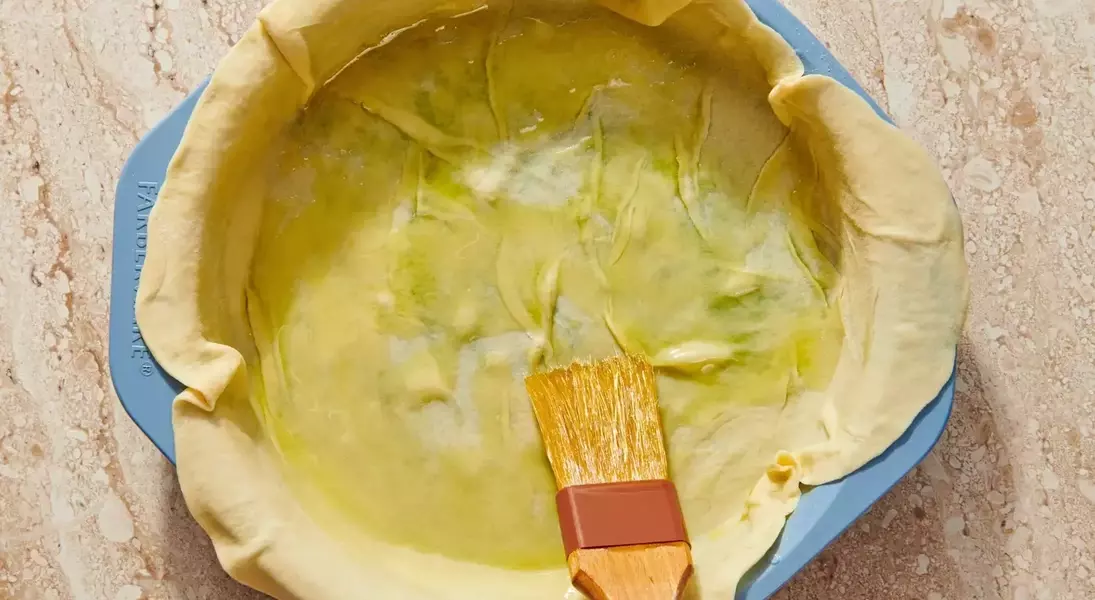
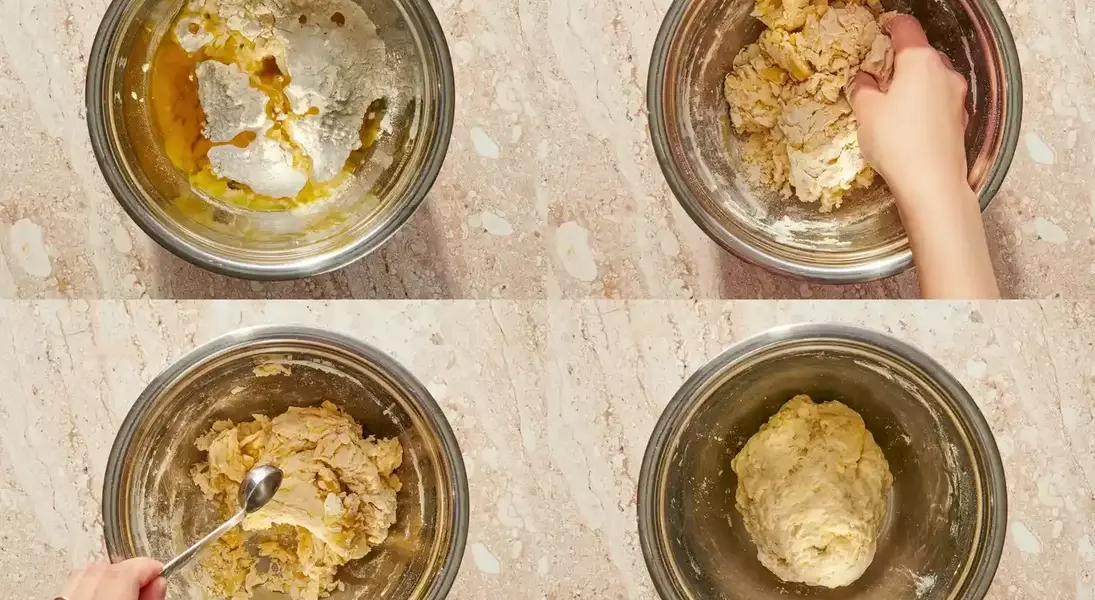
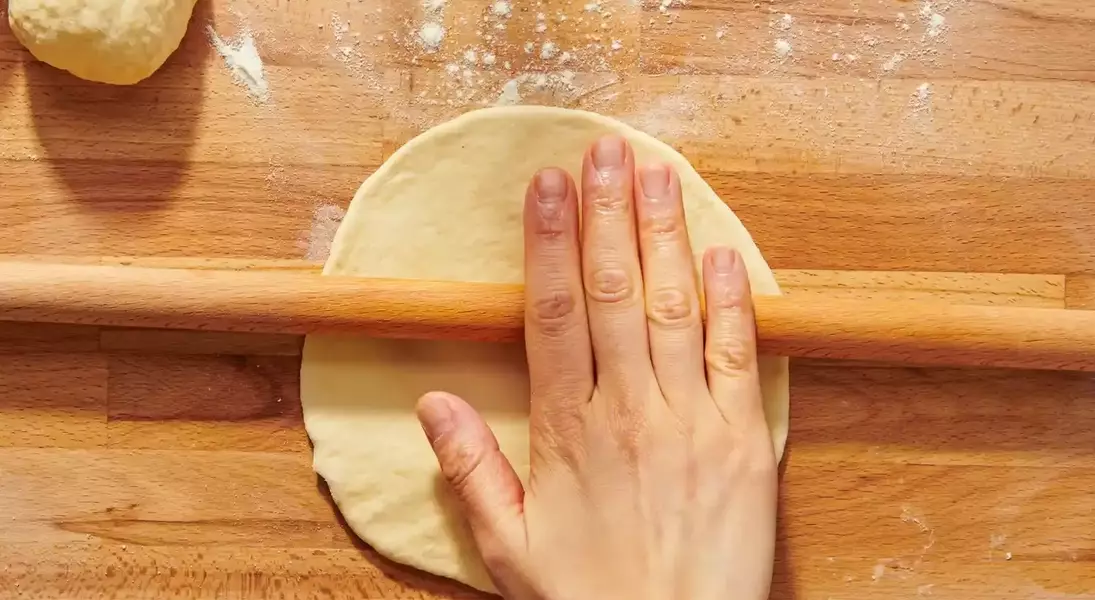
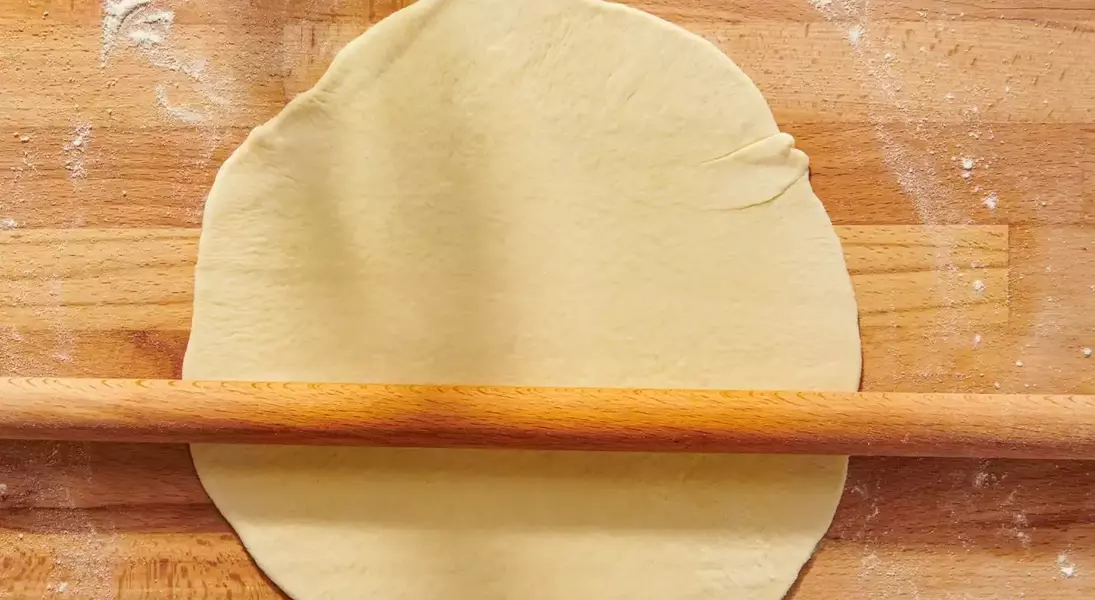
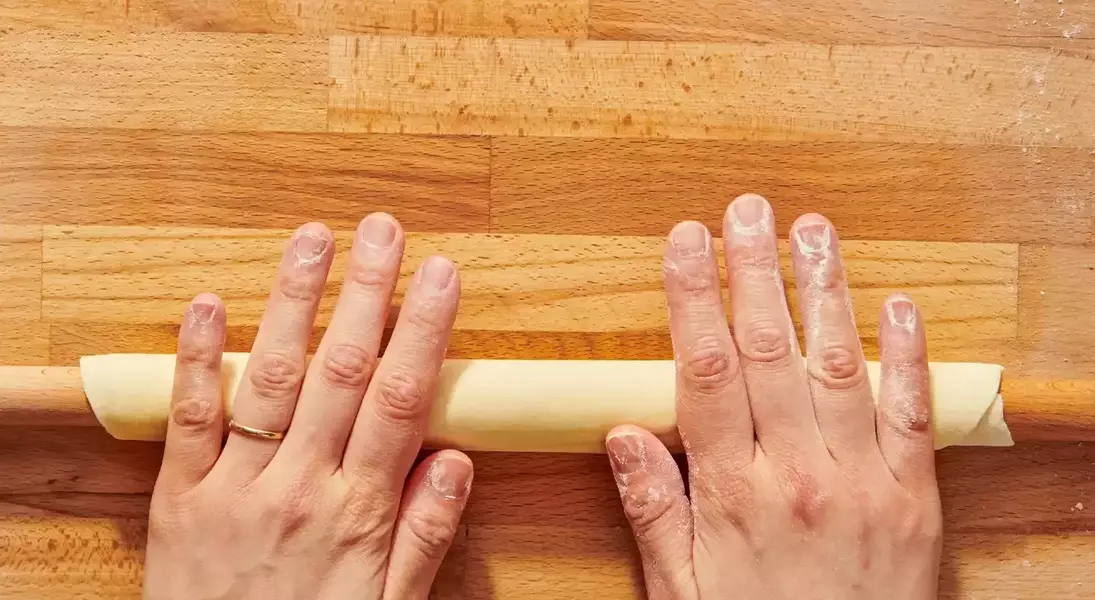
Preparing phyllo at home is primarily about skill development. Unlike commercially produced versions, which often contain numerous additives, homemade phyllo relies on just a few basic ingredients: flour, water, and oil. The true artistry lies in understanding how the dough behaves, its elasticity, and how it responds to manipulation. This tactile learning process builds confidence and expertise over time. The dough is remarkably resilient and forgiving, allowing for experimentation and practice without fear of failure. As you become more attuned to its characteristics, you will learn when it needs hydration, when to let it rest, and how far it can be stretched without tearing. The key tools include a long, thin wooden dowel, or 'plastis,' which facilitates even stretching and thinness. While a standard rolling pin can be used, specialized Greek dowels offer superior control. Using a good quality, everyday olive oil is also crucial, as its buttery flavor enhances the dough without overpowering it with strong notes.
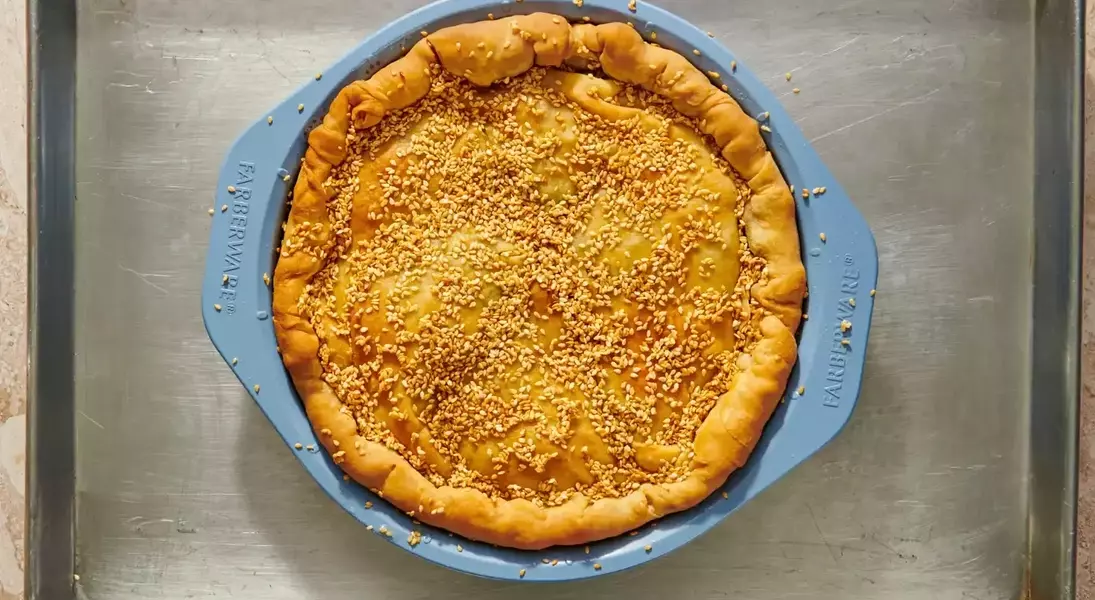
This recipe provides a solid foundation for hand-rolling and stretching phyllo dough. Once comfortable with the technique, the dough can be adapted for a wide variety of Greek pies, both savory and sweet. The recipe is thoughtfully structured to allow for advanced preparation; the dough can rest for as little as 30 minutes or up to 24 hours, which helps relax the gluten and makes it easier to work with. Preparing fillings ahead of time further streamlines the process, allowing you to concentrate fully on rolling and assembling the phyllo when baking day arrives. For those new to pie making, a round metal baking dish, typically 9 to 11 inches, is recommended for its ease of use. As your confidence grows, the recipe can be scaled and adapted for larger pans or different shapes, inviting endless creativity and exploration into the vast culinary landscape of Greek pites.
Creating phyllo dough from scratch is a deeply rewarding endeavor that refines with practice and fosters creativity. Through repeated effort, you will not only become proficient but also gain the confidence to innovate with various fillings, adjust the dough’s thickness, and fully immerse yourself in the rich and diverse world of Greek pies.
