
Maintaining a clean grill is essential for delicious barbecue and extending the life of your equipment. This guide, drawing on expertise from a seasoned Texas pitmaster, provides practical advice and techniques to keep your grill in top condition. From choosing the right cleaning tools to adopting a regular cleaning routine and proper grate seasoning, these tips will help you achieve a flawless grilling experience.
Unlock the Secret to a Spotless Grill: Grill Smarter, Not Harder!
Tackling Stubborn Buildup: Choosing the Right Scrubber for Your Grill Grates
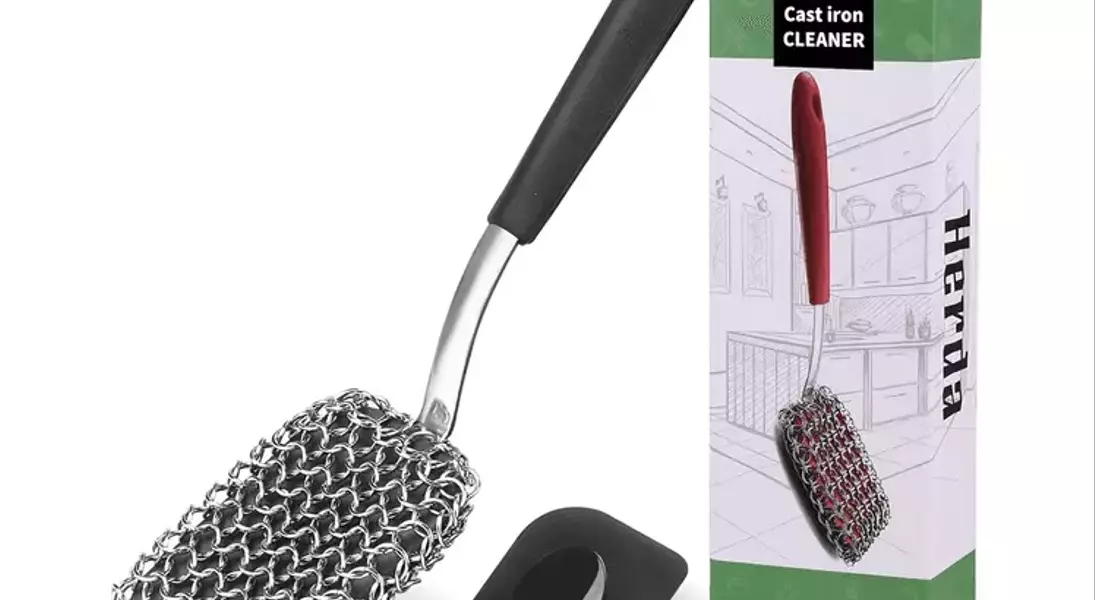
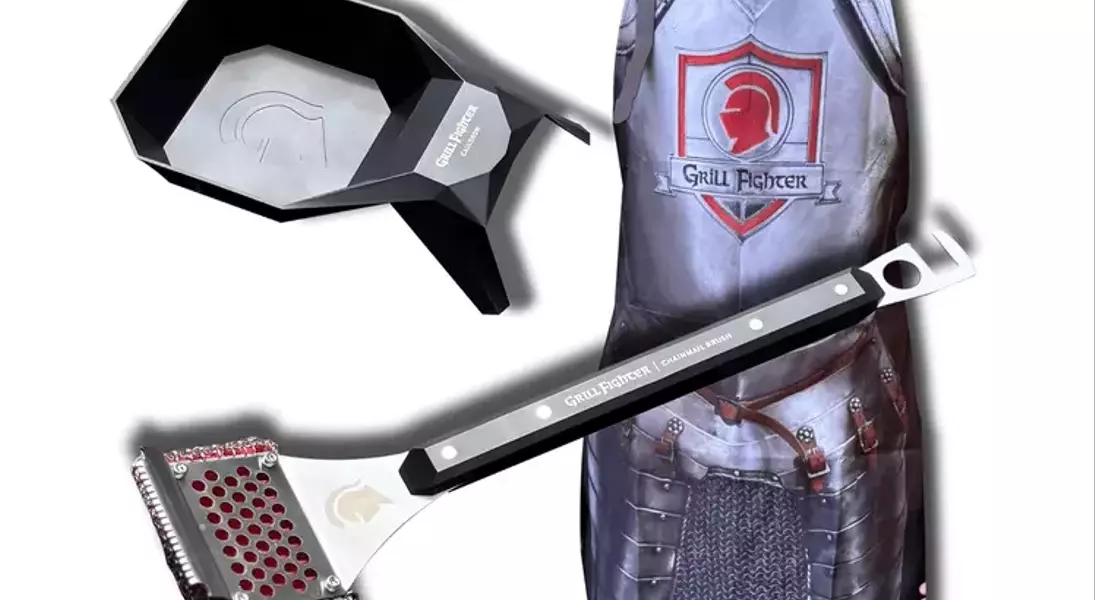
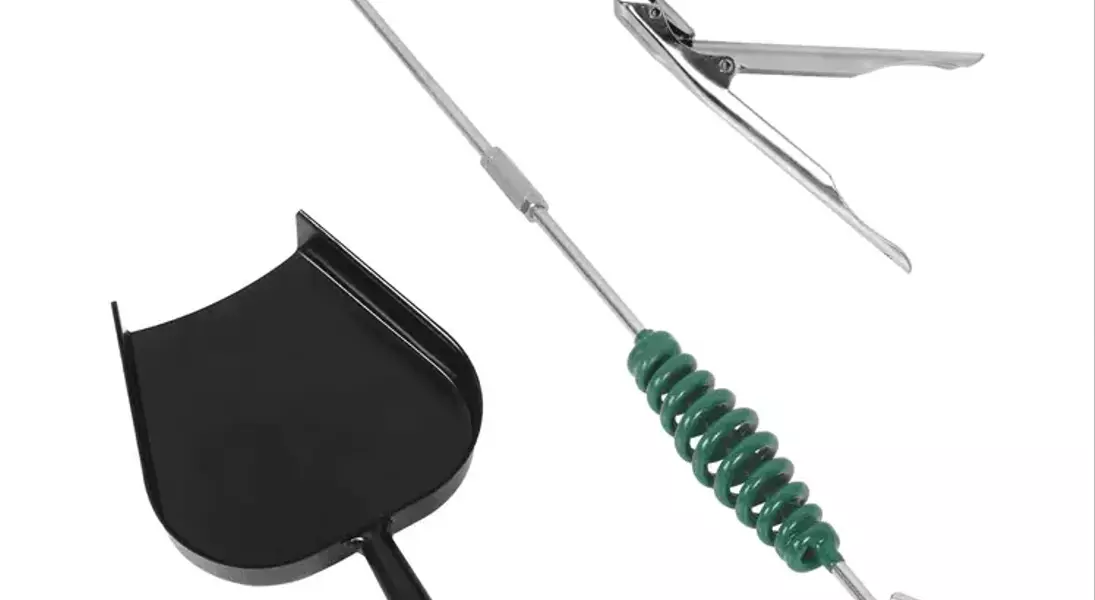
When facing tough grime on your grill grates, a high-quality scrubber is your best ally. Expert pitmaster Barrett Black recommends using a chainmail grill brush. Its robust, abrasive design effectively removes stubborn residue without causing damage to the grates. Look for brushes with a long, sturdy handle to ensure safety and reach all areas of your grill. Black advises against using cheap wire or nylon brushes, as their bristles can break off and contaminate your food. A simple alternative for light debris is using a crumpled piece of aluminum foil with tongs.
Embrace Natural Solutions: Chemical-Free Cleaning for Your Grill
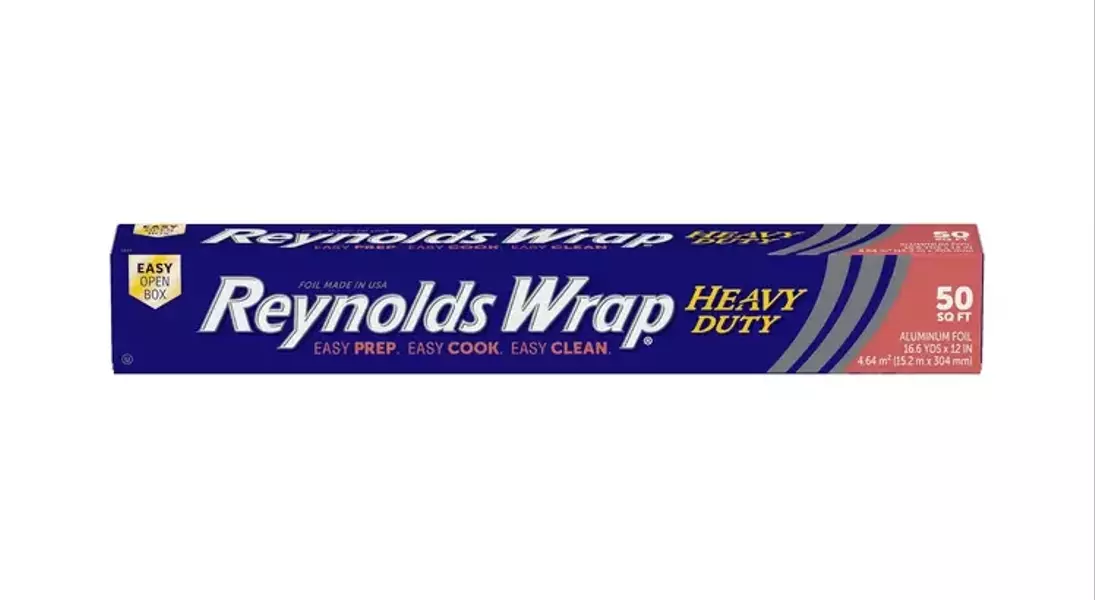
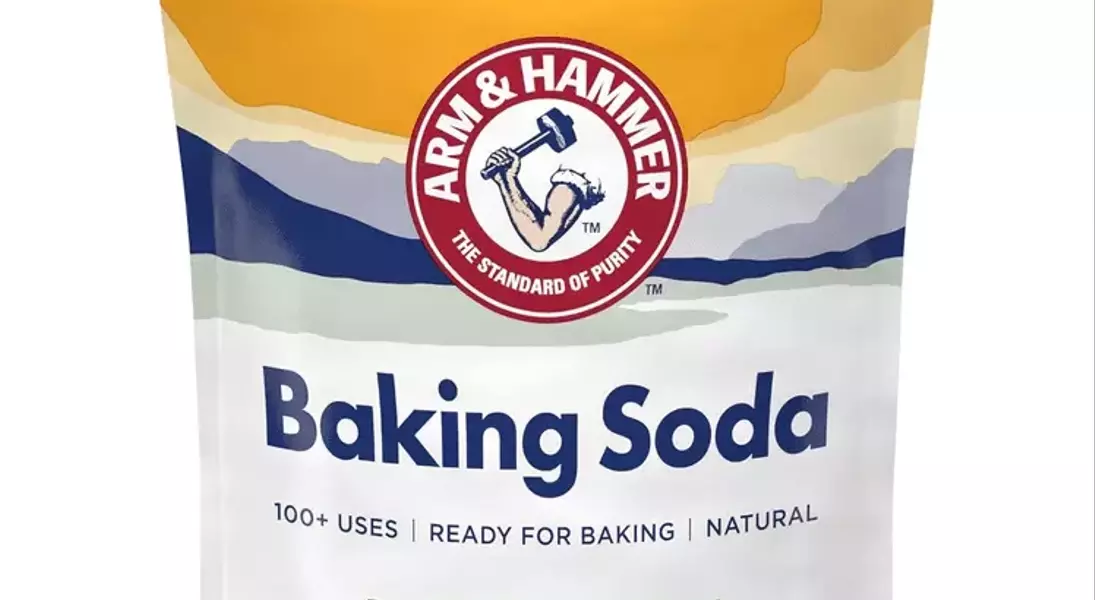
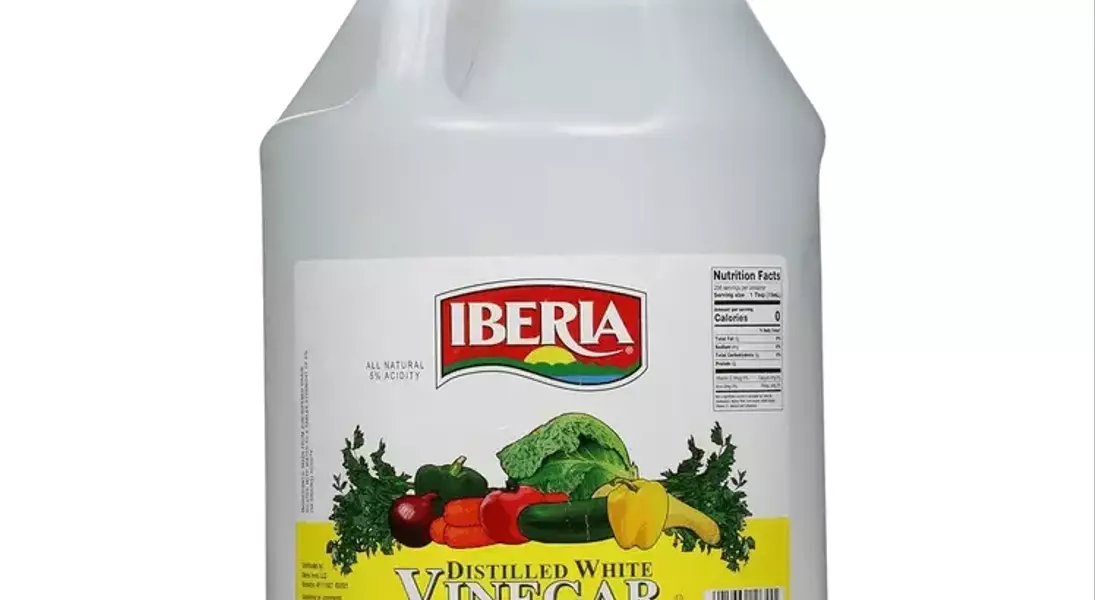
For those times when your grates are particularly challenging, Black suggests a heat-based method: fire up your grill and cover the grates with heavy-duty aluminum foil. This traps heat, intensifying the burn-off process for accumulated gunk. If that's not enough, a natural paste of baking soda and white vinegar can work wonders. This acidic mixture softens hardened carbon, making it easier to scrub away. The key is to avoid harsh chemical cleaners that could leach into your food, opting instead for environmentally friendly and safe alternatives.
The Art of Temperature-Specific Cleaning: Hot Grates, Cold Components
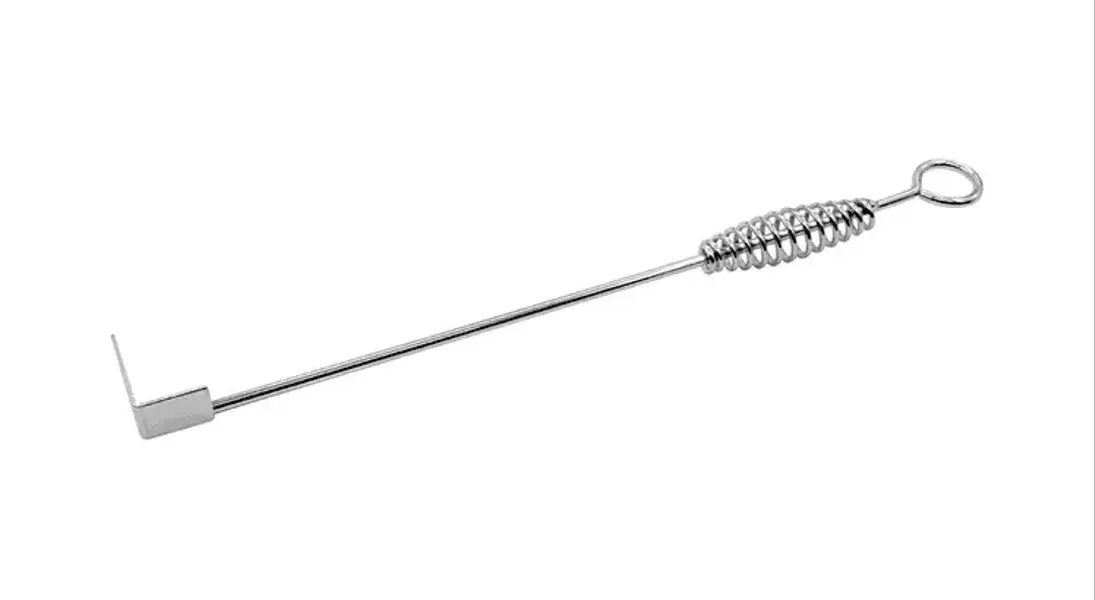
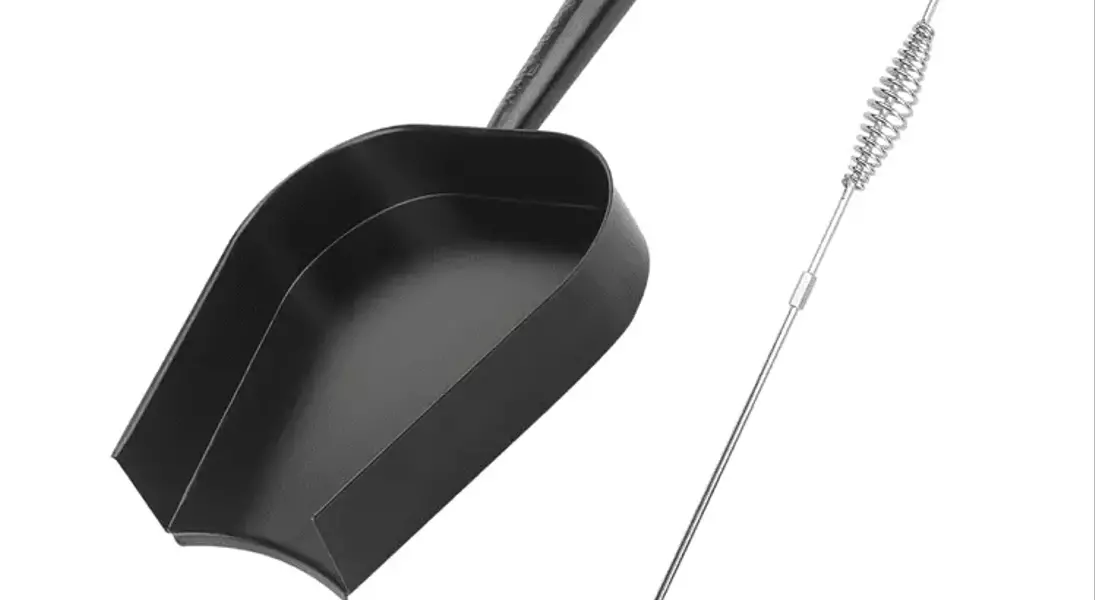
Effective grill cleaning involves a dual approach, cleaning some parts while hot and others when cool. Your cooking surfaces and grates should be cleaned immediately after use, while still warm. The residual heat helps to loosen food particles and grease, making them easier to remove with a grill brush. Once the grill has completely cooled, focus on the underlying components, such as removing ash and wiping away grease or food debris. This is particularly crucial for charcoal grills and pellet smokers. While absolute spotless perfection isn't necessary, ensuring the removal of anything that could affect flavor or airflow during your next cooking session is vital. Don't forget to clean the grease trap regularly to prevent flare-ups and fire hazards.
Protecting Your Investment: The Importance of Regular Grate Seasoning
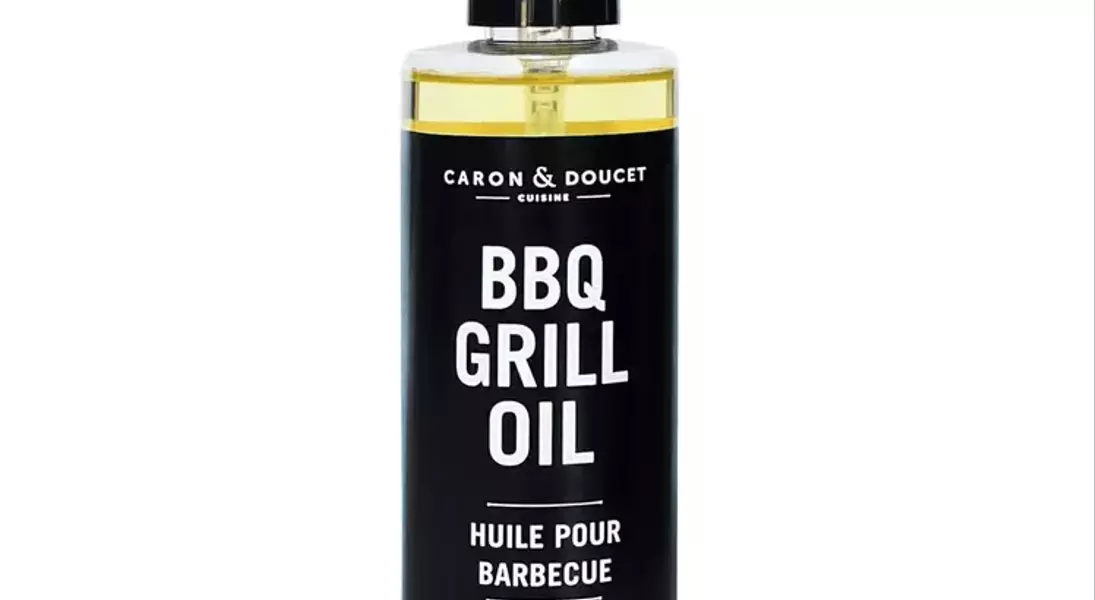
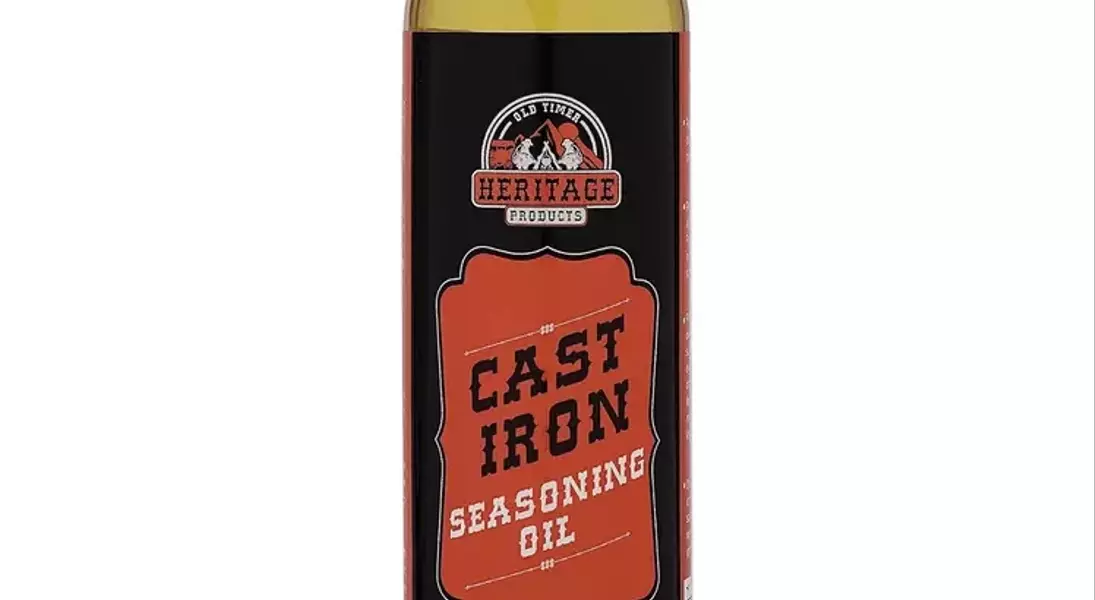
Seasoning your grill grates is a critical step in their maintenance, especially for cast iron. This process helps prevent rust and creates a non-stick surface. Even stainless steel grates benefit from regular oiling to keep food from sticking. The ideal time to season is when the grates are warm, but cool enough to handle safely. You can use specialized plant-based grill seasoning oils or high smoke point cooking oils like grapeseed or sunflower oil. Consistent seasoning helps maintain the integrity of your grates, ensuring they last longer and provide better cooking results.
Cultivating a Cleaning Culture: Making Grill Maintenance a Routine
The most impactful action you can take for your grill's longevity and performance is consistent cleaning. Rather than treating it as a once-a-season chore, integrate cleaning into your routine after every use. A common mistake is to wait until just before grilling, which takes away from your cooking time. Instead, after removing your food, close the grill lid and let it continue running briefly. This allows the residual heat to burn off any remaining food particles. Prioritizing regular maintenance and good habits over specialized equipment will significantly enhance your grilling experience, proving that a clean grill is a happy grill.
