This traditional Greek salad, known as Horiatiki, celebrates the peak flavors of summer produce. It combines succulent tomatoes, cool cucumbers, flavorful olives, and substantial pieces of brined feta cheese. Unlike many salads, it intentionally omits lettuce, focusing purely on the vibrant, fresh vegetables, enhanced by a straightforward yet piquant dressing. This dish is an excellent choice when seasonal ingredients are at their prime, offering a refreshing and satisfying meal or accompaniment.
The essence of a remarkable Greek salad lies in the quality of its components and a simple, well-balanced vinaigrette. For the dressing, a harmonious blend of equal parts oil and vinegar is essential, with a hint of Dijon mustard and dried oregano adding depth. The choice of feta is crucial; opt for the brined variety and slice it into generous pieces to maintain its texture and presence within the salad. To preserve the crispness of the vegetables and the integrity of the cheese, it's best to combine all ingredients just before serving. This versatile salad pairs wonderfully with warm pita bread, grilled chicken, or pork, and also stands alone as a light and wholesome lunch option.
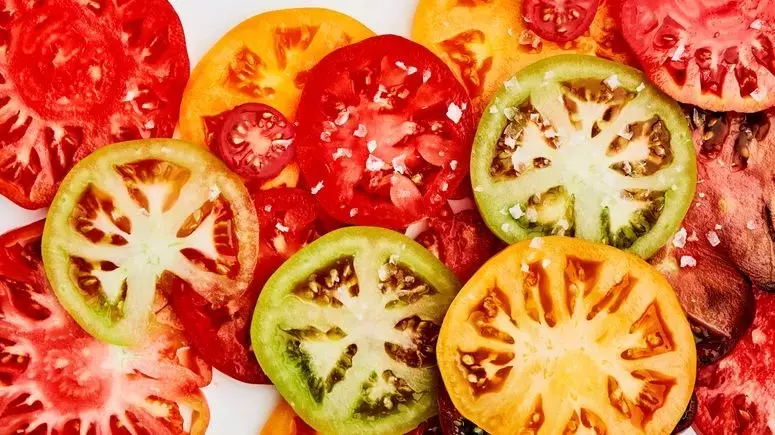
When it comes to selecting tomatoes for your Greek salad, variety is the spice of life. A mixture of cherry, Roma, and heirloom tomatoes not only contributes to a richer flavor profile but also introduces an appealing diversity in texture. This combination ensures that each bite offers a unique sensory experience, from the sweet burst of cherry tomatoes to the meaty texture of Romas and the often complex flavors of heirlooms. Don't shy away from mixing and matching to find your preferred balance.
For cucumbers, varieties like English and Persian are highly recommended. Their thinner skins and fewer seeds translate to a more satisfying crunch and less water content compared to standard cucumbers. This characteristic is particularly desirable in a salad where crispness is key, preventing the dish from becoming watery and ensuring the refreshing quality of every bite. These types of cucumbers integrate beautifully with the other ingredients without diluting the overall flavor.
While Kalamata olives are traditionally featured for their distinctive briny and wine-like notes, other high-quality olives can be substituted if needed. Varieties such as Castelvetrano, picholine, or Niçoise olives can offer a delightful alternative, each bringing its own unique characteristics to the salad. The goal is to select an olive that contributes a rich, savory depth, complementing the fresh vegetables and tangy dressing. Whichever olive you choose, ensure it is pitted for ease of eating.
The choice of feta cheese significantly impacts the overall enjoyment of a Greek salad. Opting for blocks of feta preserved in brine is preferable over pre-crumbled versions. Brined feta tends to be creamier and less dry, offering a more luxurious texture. Cutting the feta into substantial slabs rather than crumbling it ensures that the cheese holds its shape and doesn't dissolve into the other ingredients, allowing its salty, tangy flavor to shine through in every mouthful.
For the dressing, while red wine vinegar is a traditional component, lemon juice can be an excellent substitute, either partially or entirely. Swapping in lemon juice will impart a brighter, more citrus-forward tang to the vinaigrette, offering a refreshing twist. This flexibility allows for customization based on personal preference or the availability of ingredients, ensuring the dressing perfectly complements the fresh flavors of the salad.
This iconic Greek salad recipe masterfully combines fresh, seasonal ingredients with a vibrant dressing to create a dish that is both simple and profoundly flavorful. It serves as a testament to the idea that culinary excellence often stems from respecting high-quality produce and allowing natural flavors to dominate. Ideal for warm weather or as a light, satisfying meal, this salad is a truly enjoyable gastronomic experience.
