
When considering a smartphone upgrade, especially within the Apple ecosystem, the decision between a new release and a slightly older model can be challenging. Apple has recently introduced the iPhone 17, prompting many iPhone 15 users to evaluate if the latest iteration offers enough significant improvements to justify the investment. This comparison highlights how the iPhone 17 distinguishes itself across various metrics, providing compelling reasons for an upgrade, even if your current device is relatively new, while also acknowledging why sticking with your existing phone might be a more sensible choice.
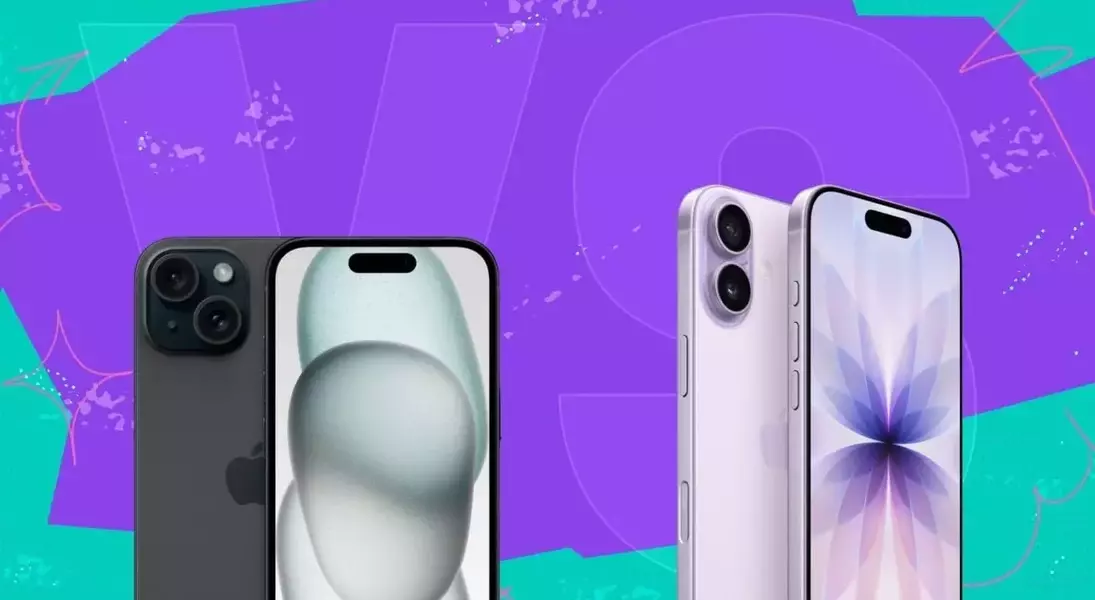
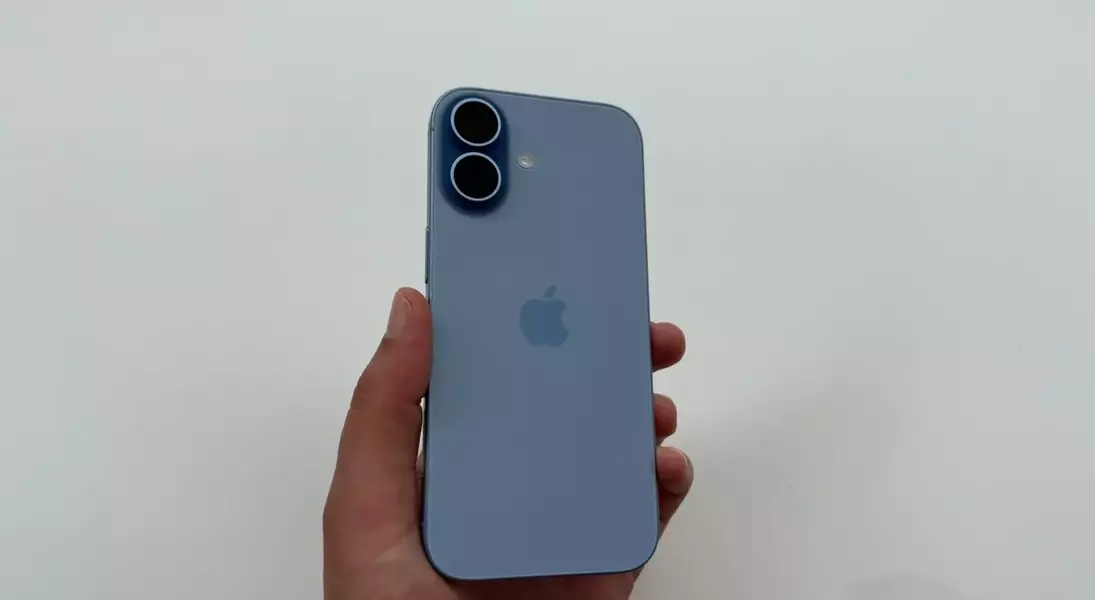
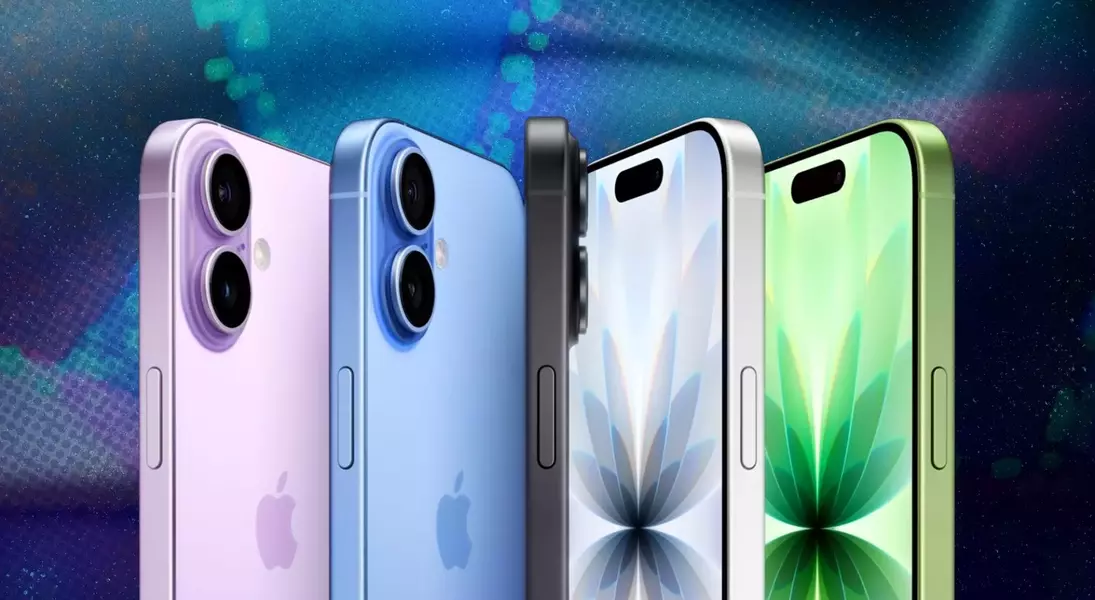
A primary consideration for many consumers is the cost. The iPhone 17 enters the market at a price point identical to the iPhone 15's initial launch price of $799. However, the iPhone 15 is no longer directly available from Apple, making a direct price comparison somewhat complex. Beyond pricing, the technical specifications reveal notable advancements. The iPhone 17 boasts a larger 6.3-inch display with a superior 2622x1206 resolution and an adaptive 120Hz refresh rate, a significant leap from the iPhone 15's 6.1-inch, 2556x1179 resolution, and 60Hz screen. Powering these enhancements is the new A19 chip in the iPhone 17, a step up from the A16 Bionic chip in the iPhone 15, promising enhanced performance. Furthermore, the base storage for the iPhone 17 begins at 256GB, double that of the iPhone 15's entry-level model. In terms of design, both phones maintain a similar form factor, with the most discernible visual difference being the camera module: the iPhone 17 features vertically stacked dual-lenses, contrasting with the diagonally arranged lenses on the iPhone 15. The newer model also introduces a fresh palette of colors, including Black, White, Mist Blue, Sage, and Lavender, alongside a slight increase in weight.
Performance and photographic capabilities are often deciding factors for smartphone users. The iPhone 17's A19 chip is expected to deliver a noticeable performance boost over the iPhone 15's A16 chip, though real-world testing will confirm the extent of this improvement. Battery life is another critical area where the iPhone 17 aims to excel, with Apple promising up to 30 hours of video playback, a substantial increase compared to the iPhone 15's estimated 20 hours. While these figures are based on manufacturer claims, they suggest a notable improvement in endurance. Camera technology has also seen significant upgrades; the iPhone 17 features an improved 48MP ultrawide rear camera, a considerable jump from the iPhone 15's 12MP ultrawide lens. The front-facing camera on the iPhone 17 is upgraded to an 18MP sensor, offering a wider field of view and new features like Center Stage, which allows for dynamic cropping and framing during video calls and selfies. These camera enhancements cater particularly to photography enthusiasts and creative professionals.
Ultimately, the choice between upgrading to the iPhone 17 or retaining the iPhone 15 hinges on individual priorities and usage patterns. For those who prioritize cutting-edge display technology, superior processing power, extended battery life, and advanced camera features, the iPhone 17 presents a compelling argument for an upgrade. Conversely, if your current iPhone 15 sufficiently meets your needs, maintaining it remains the most economically prudent option. This constant evolution in technology reflects a commitment to progress, consistently offering users more powerful and capable tools for communication, creativity, and daily life. It encourages us to appreciate both the rapid advancements and the enduring value of well-designed technology.
