
The beauty industry is currently witnessing a profound shift in how haircare is perceived and practiced. What was once a domain primarily concerned with superficial enhancements like shine and smoothness has now evolved into a scientifically driven field, adopting principles and ingredients traditionally found in skincare. This transformation, often termed the 'skinification' of haircare, emphasizes treating the scalp as an extension of facial skin, focusing on root-cause solutions and personalized regimens to achieve optimal hair health. This shift is fueled by increasing consumer awareness, technological advancements, and a growing desire for efficacy-proven products.
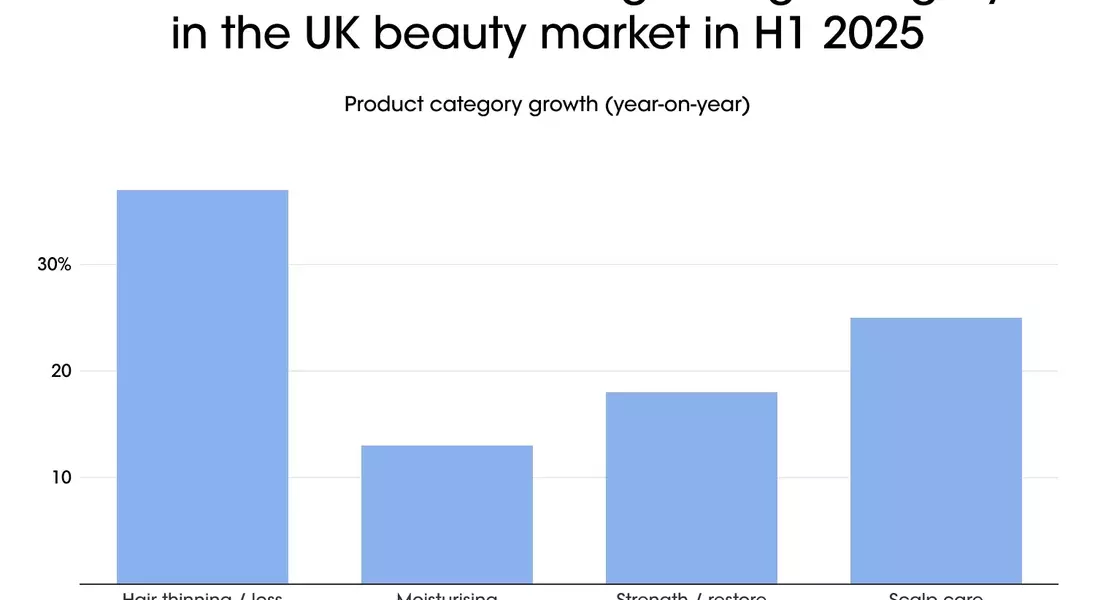
A notable trend is the accelerated growth in sales of scalp-focused conditioners and treatments, which surpassed the overall haircare market growth in 2024 and are projected to continue this trajectory through 2030. This indicates a strong consumer demand for products that address underlying scalp issues rather than merely masking hair concerns. Market research highlights a move towards multi-step routines, incorporating ingredients and product formats borrowed directly from skincare, such as exfoliants, serums, and microbiome-supporting mists. Brands are now developing highly specific solutions tailored to individual needs, considering factors like age, hair texture, styling habits, environmental exposure, and even hormonal changes.
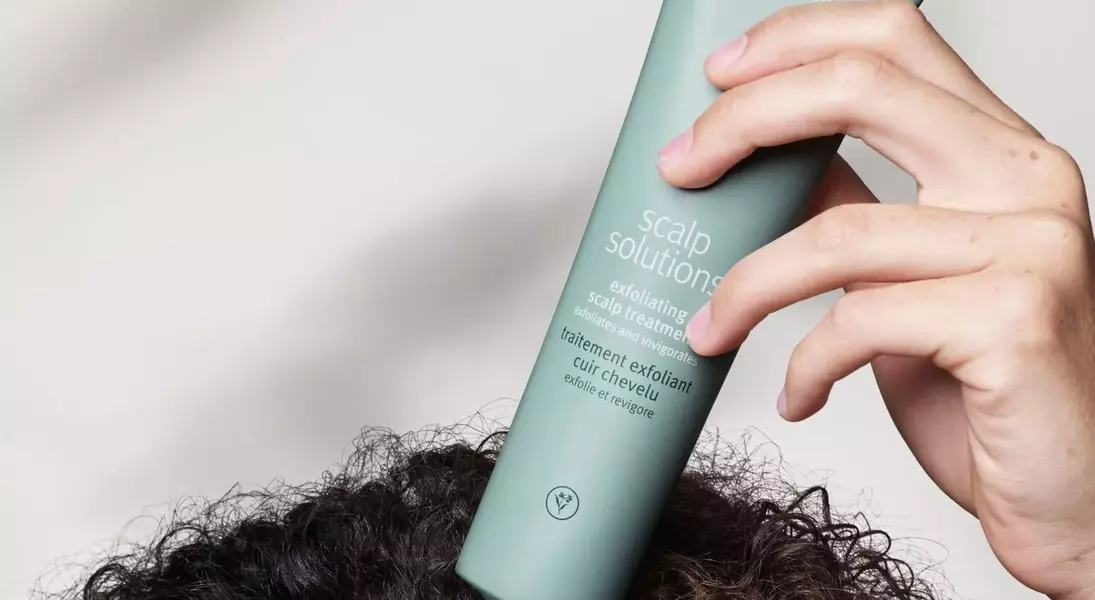
This new wave of innovation includes products like detoxifying shampoos that remove hard-water mineral buildup, a common yet often overlooked cause of hair damage. Scalp serums, AHA exfoliants, and overnight repair treatments, akin to retinoids and peptides for skin, are becoming commonplace. New market entrants and established brands alike are launching sophisticated products, such as Isima, co-created with Shakira, and Aveda's expanded Scalp Solutions line. Furthermore, beauty technology is playing a crucial role, with devices like Currentbody's LED Hair Growth Helmet offering advanced solutions for hair wellness.
The cultural and wellness aspects are also significant drivers. Younger, ingredient-savvy consumers, influenced by social media trends and Eastern beauty rituals, are seeking comprehensive haircare solutions. Concurrently, older generations grappling with issues like menopause- or stress-related hair thinning are looking for targeted, effective treatments. The 'everything shower' trend on platforms like TikTok has raised awareness of traditional practices like Indian hair oiling, emphasizing scalp health as the foundation for vibrant hair. Stress, hormonal fluctuations, and even medication side effects are pushing scalp care deeper into the wellness conversation, prompting a move away from single hero products towards holistic, prescriptive routines that support both surface and internal hair health.
Efficacy and scientific validation are paramount for today's informed consumer. There's a growing demand for transparency regarding ingredients and proven results, with consumers questioning ambiguous terms like 'clean beauty' and seeking clarity, purpose, and credible clinical studies. This scrutiny is propelling formulation advancements, leading to greater use of biotech-powered ingredients such as peptides and ectoin, which work in harmony with the skin's biology to deliver targeted, high-performance support without unnecessary additives. Common skincare ingredients like hyaluronic acid, ceramides, and niacinamide are increasingly being incorporated into haircare formulations to improve moisture, strength, and overall scalp health, with some seeing a massive surge in popularity, as exemplified by the renewed interest in Nioxin.
Brands like Aveda are at the forefront of this integration, with their Scalp Solutions range combining biotech naturals and adaptogens to reinforce the scalp barrier, balance the microbiome, and protect against oxidative stress. Their latest hydrating masque even utilizes skincare-grade hydrators like vegan squalane. The language used by haircare brands is also mirroring skincare, with references to "multi-benefit regimens that address the visible signs of premature scalp ageing." The challenge for many brands is to combine natural ingredients with scientific efficacy, conducting extensive research to develop premium, yet ethical, solutions.
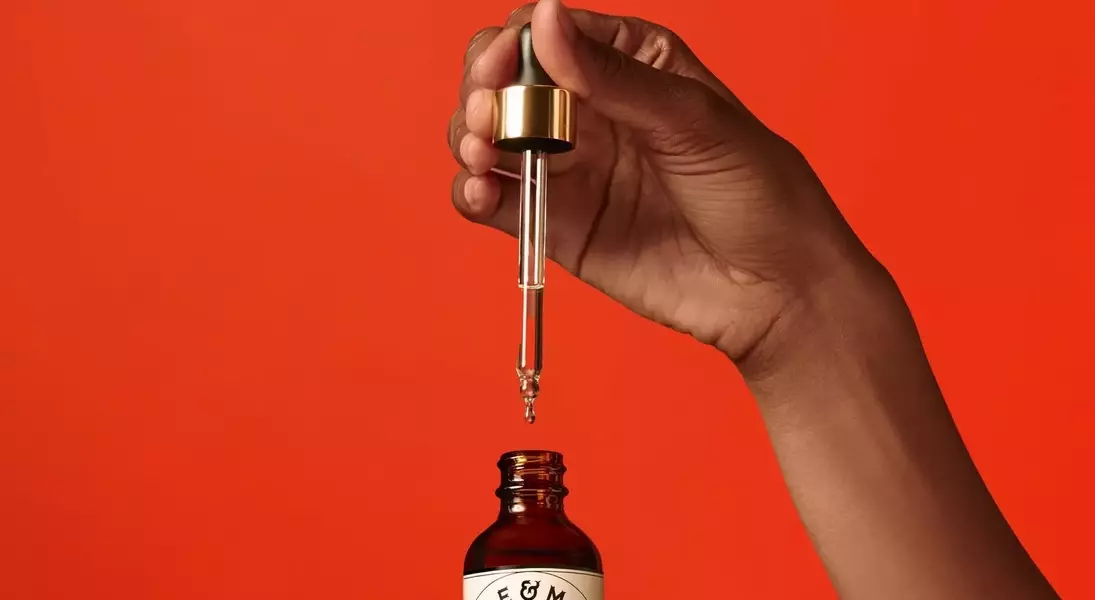
This focus on clinical validation extends to brands rooted in traditional practices. Fable & Mane, inspired by Ayurvedic oils, has invested in laboratory trials to validate ancient ingredients, adapting them for modern use. They also use skincare terminology to help consumers understand the value of their sophisticated formulas, mapping their routines to cleanser, treatment serum, and oil categories. This signifies a move away from generic "for all hair types" claims towards personalized, prescriptive routines that cater to diverse and complex hair needs.
The future of haircare lies in personalized, scientifically driven approaches that prioritize scalp health. Brands like Isima are developing intricate algorithms to recommend customized product combinations and usage frequencies based on individual hair and scalp diagnoses. The role of trichologists and advanced beauty-tech tools, such as scalp and hair diagnostic scanners, is becoming increasingly important in educating consumers and driving the adoption of clinically led haircare. Technologies like LED light therapy, once confined to clinics, are now accessible for home use, indicating a broader acceptance of sophisticated, technology-driven solutions.
Even traditional beauty powerhouses like L'Oréal are integrating dermatological haircare into their strategies, leveraging their expertise in brands like Vichy and CeraVe. They are also exploring niche markets such as aesthetic tourism, offering anti-hair loss ranges to complement hair transplant procedures. Diagnostic services, like Kérastase's K-Scan, are proving highly effective in retail environments, offering personalized consultations and driving significant conversion rates. The underlying message is clear: haircare is no longer just about aesthetics; it is fundamentally about health and well-being, acknowledging the profound emotional impact that healthy hair has on individuals.
