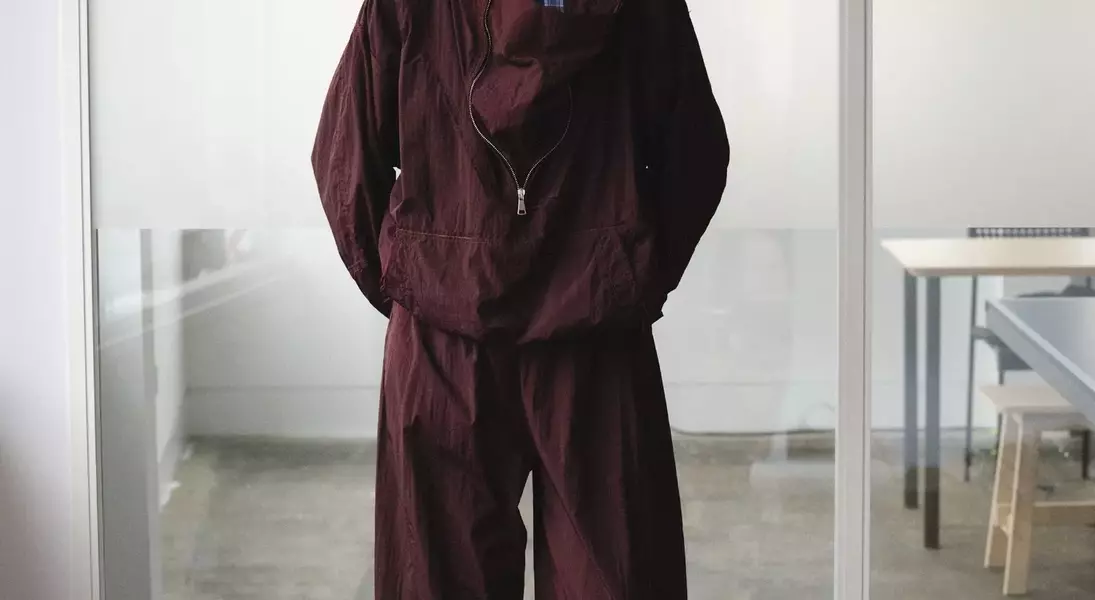
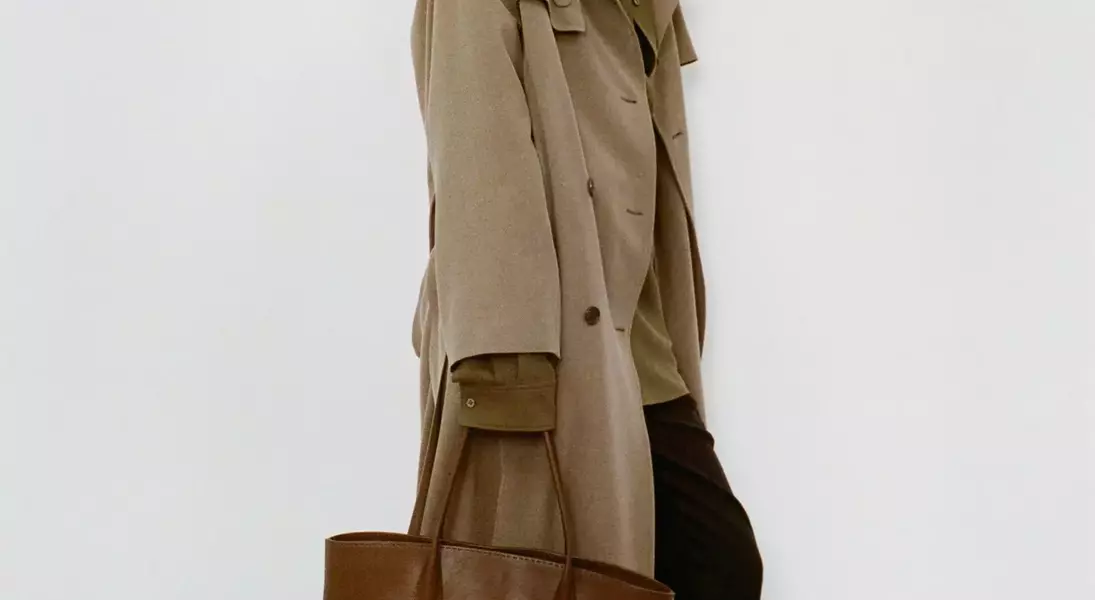
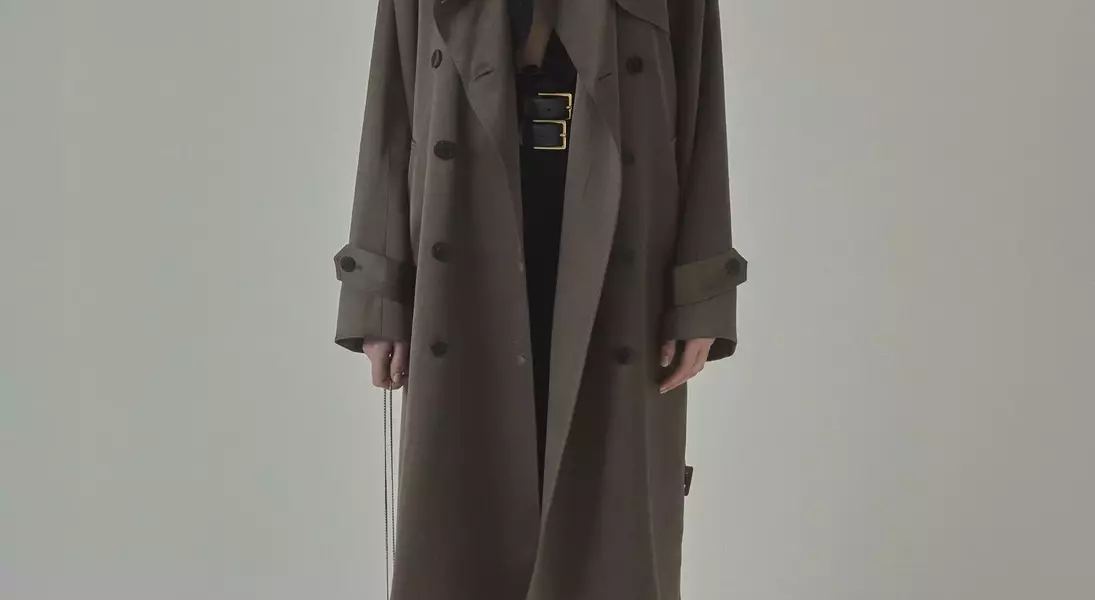
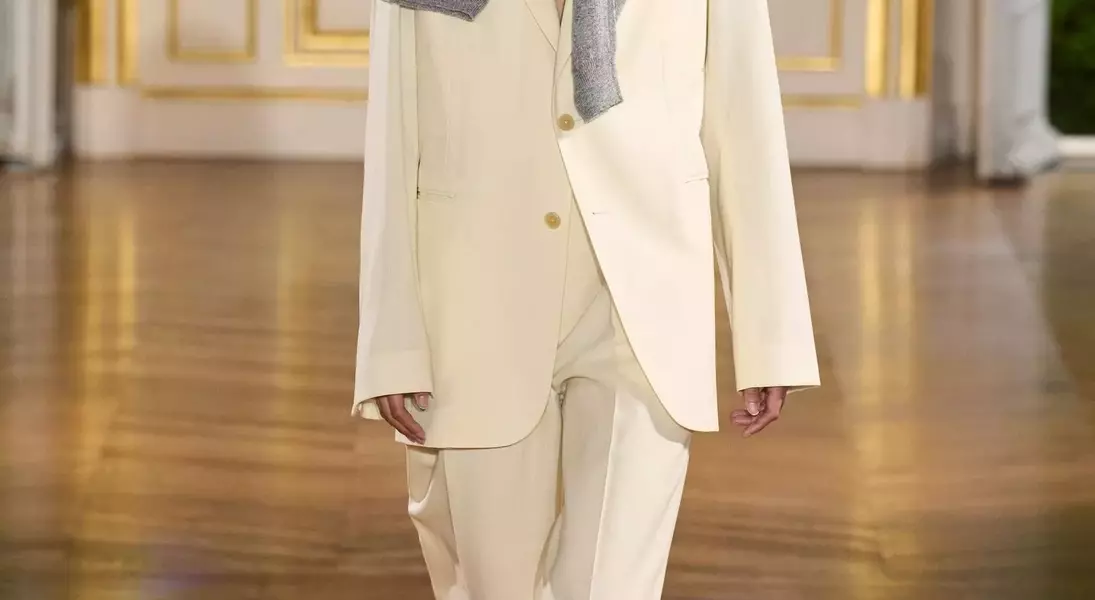
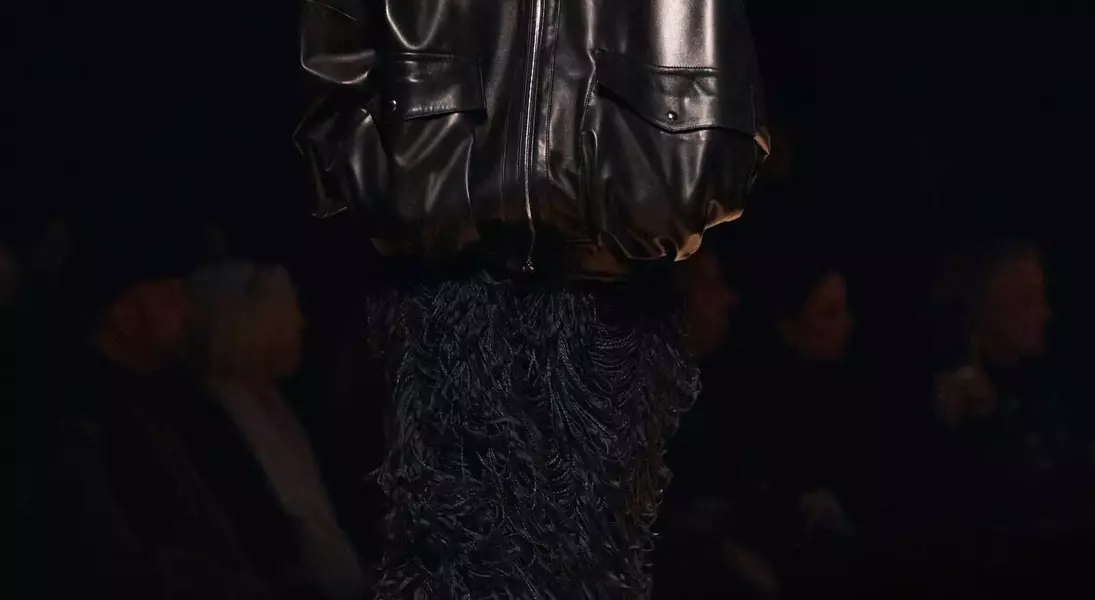
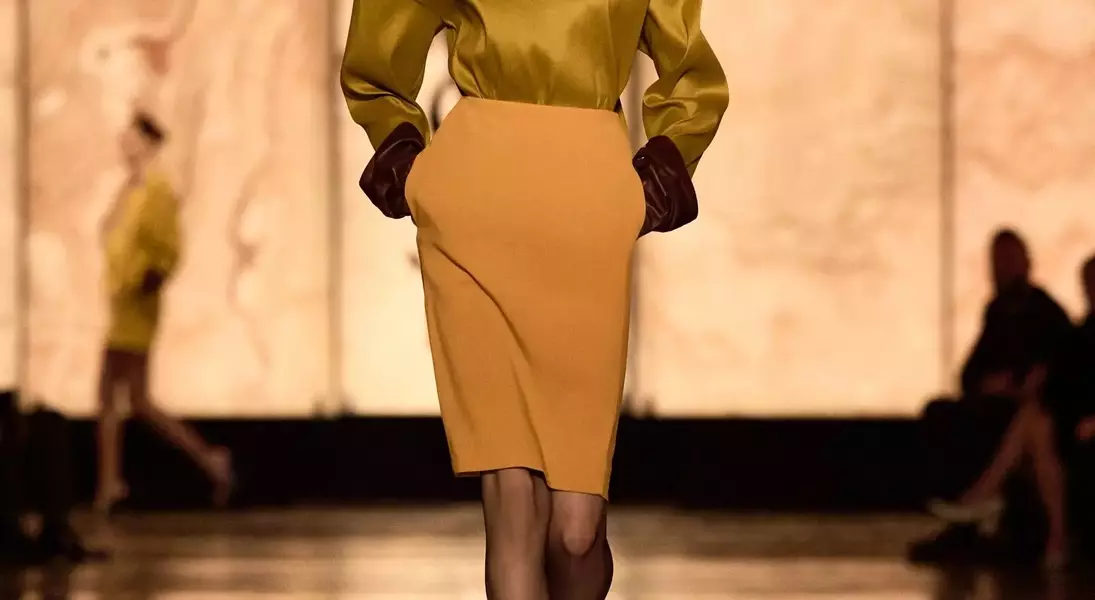
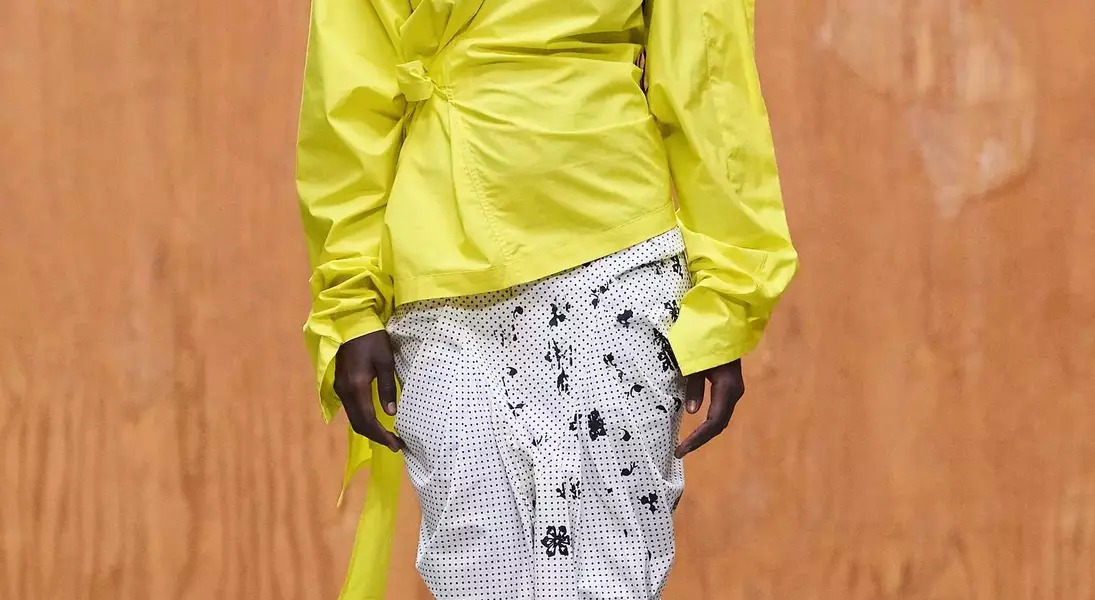
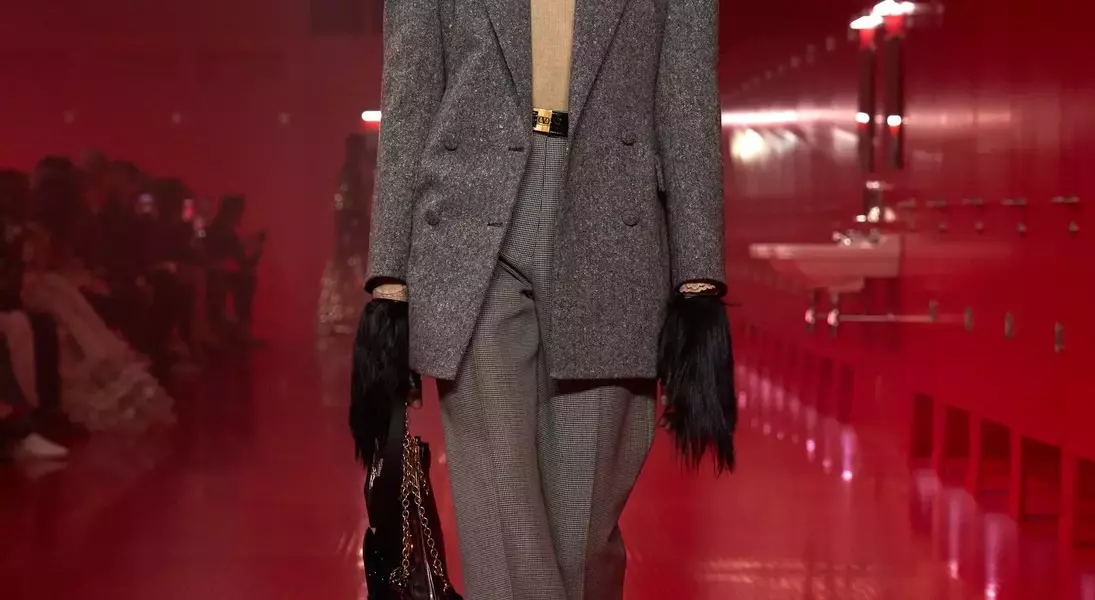
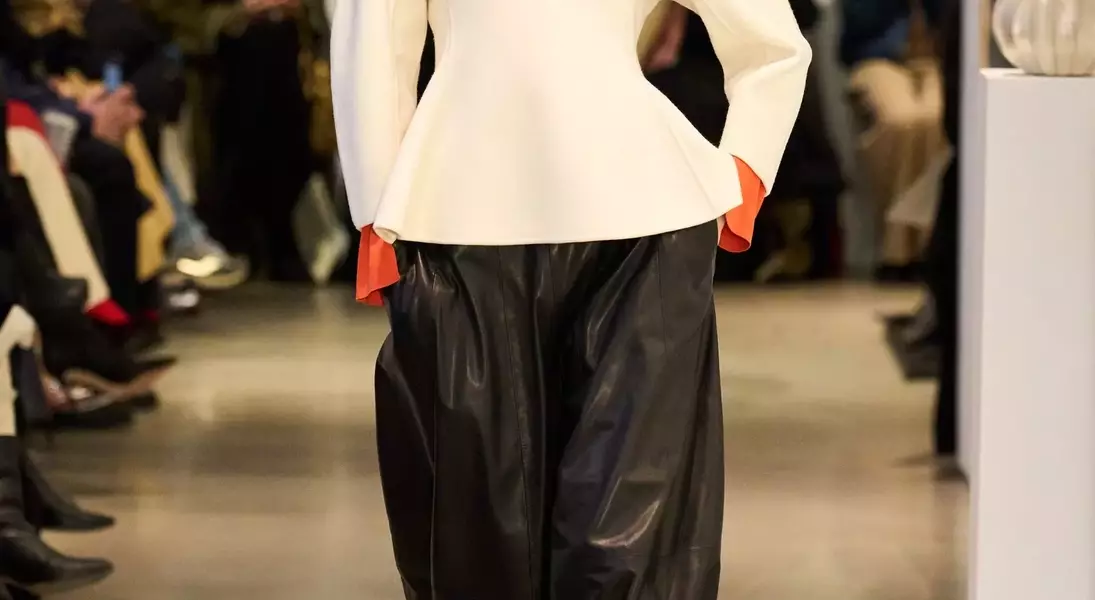
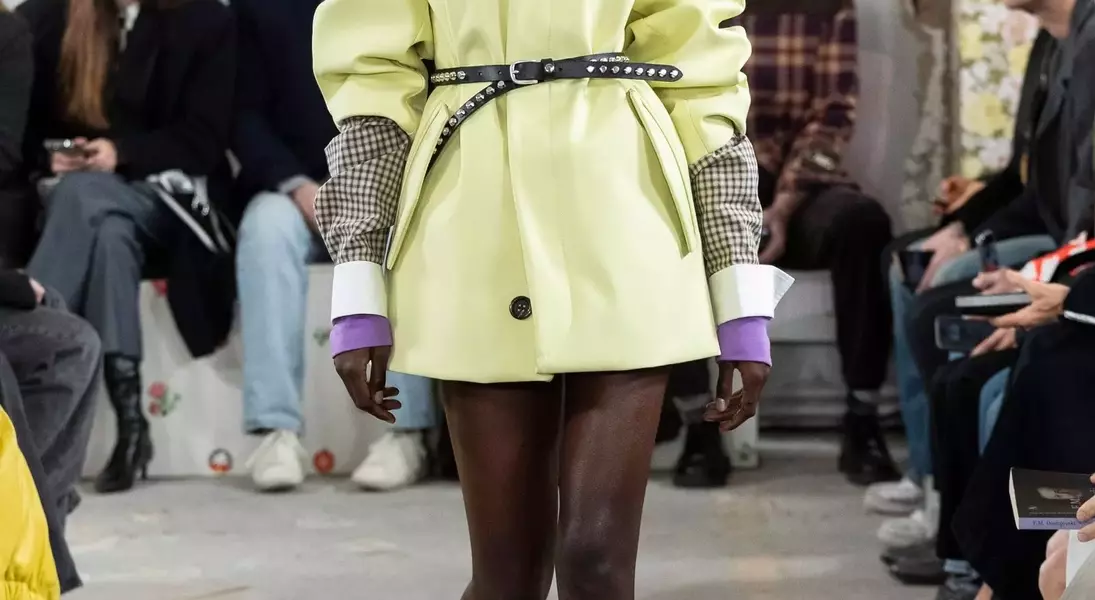
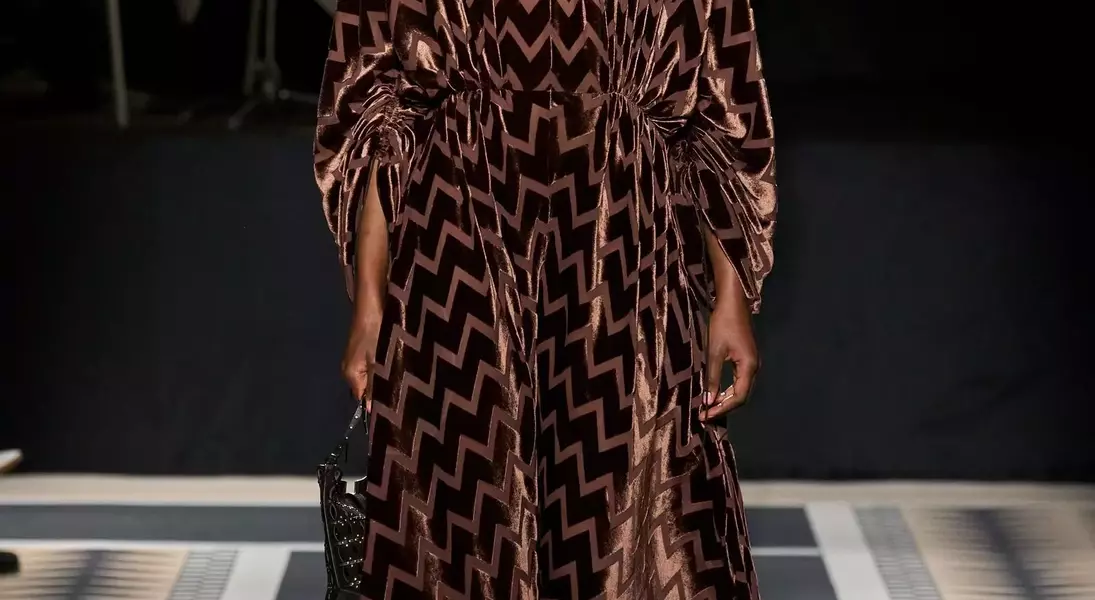
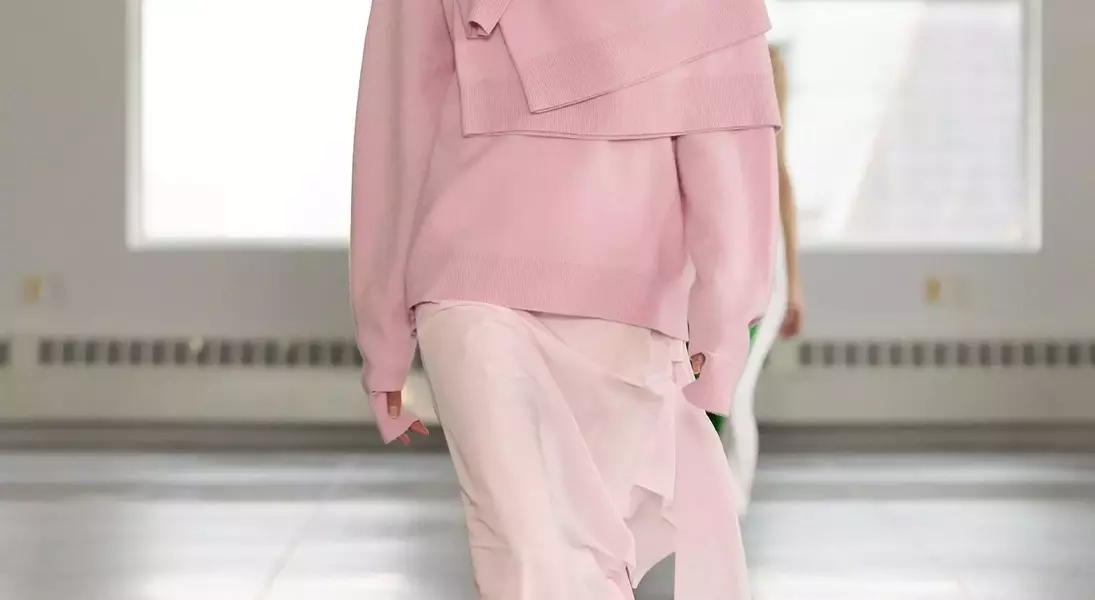
This report provides a thorough analysis of the 2025 fashion landscape, compiling perspectives from various independent boutiques across the United States. It delves into prevailing trends, spotlighting successful designers, exploring shifts in consumer purchasing behavior, and examining how customers perceive the dynamic changes in creative direction within leading fashion brands.
Fashion Forward: Unpacking 2025's Defining Styles and Shifting Tides
The Enduring Influence of Female Designers in 2025's Fashion Scene
In 2025, a compelling trend emerged in the fashion retail sector: the widespread admiration for collections crafted by women designers. This year saw an increasing number of female talents, both established and emerging, captivate consumers nationwide. While male creative directors frequently rotated through prominent roles, the feedback from store owners consistently underscored the strong resonance of clothing created by women. From revered figures like Phoebe Philo and Miuccia Prada to rising stars such as Rachel Scott and Alissa Zachary, their distinctive visions resonated deeply with buyers. This intentional shift reflects a growing consumer desire to support designers whose gender aligns with their own, emphasizing thoughtful consumption in an era of discerning purchases and escalating price points.
Defining the Day-to-Night Aesthetic of 2025
The year 2025 saw a distinct evolution in both daily and evening wear. For daytime ensembles, the emphasis was on well-crafted trousers paired with understated, practical handbags, often in luxurious materials like suede. Low-heeled footwear, including loafers and slides, completed the look, frequently accented by a comfortable top layered with a sweater draped over the shoulders. Evening wear adopted a more refined yet less formal approach, favoring elegant dresses that offered comfort without being overly restrictive. Sheer pencil skirts and versatile pieces that could be restyled for various occasions also gained popularity, reflecting a preference for personalized, reusable fashion over overtly glamorous or "look-at-me" styles.
Consumer Spending: Prioritizing Longevity and Unique Value
In 2025, consumers demonstrated a clear inclination to invest in pieces that offered lasting appeal and exceptional quality. Rather than fleeting trends, purchases focused on items such as high-end handbags, fine jewelry, and meticulously crafted coats and jackets. Customers were also willing to splurge on well-fitting garments like vintage selvedge denim that could be worn repeatedly. This emphasis on enduring value and versatility signaled a departure from impulse buying, with shoppers seeking items that not only felt special but also served practical, long-term wardrobe needs.
The Rise of New Talent and Beloved Classics in Retail Offerings
Retailers in 2025 successfully introduced several new designers and brands that resonated strongly with their clientele. Emerging talents like Heirlome, known for tailored separates and artisanal details, quickly sold out upon arrival. Other new additions, including Zankov and Fforme, also made a significant impact, pushing creative boundaries and capturing customer interest. Simultaneously, established brands and designers such as Phoebe Philo and Sacai continued their powerhouse performance, reaffirming their status as customer favorites. This blend of fresh perspectives and trusted names created a vibrant and diverse retail landscape.
Navigating the Winds of Change in Fashion Leadership
The frequent changes in creative leadership within major fashion houses became a notable talking point in 2025. While some customers viewed these shifts with indifference, focusing solely on product quality rather than the designer's identity, others tracked the movements with keen interest. A significant portion of consumers expressed excitement about the new directions these changes brought, particularly when beloved designers moved to new brands. This indicated a growing loyalty to individual designers' visions, suggesting that consumers valued their authentic voice and creative essence regardless of the brand they represented.
Key Departures: What Fashion Trends Faded in 2025
Several fashion elements began to lose their appeal in 2025. Overly voluminous or exaggerated proportions, such as excessively baggy trousers, large knits, and oversized trench coats, started to wane in popularity. Similarly, barrel-legged jeans and bucket-style totes saw reduced demand. The "hyper-girly" aesthetic, characterized by childlike elements, also fell out of favor. Additionally, overly romantic lace pieces, super-structured looks, and highly logo-emblazoned items struggled to connect with consumers, who increasingly sought balance between wearability and subtle novelty.
Financial Realities: Economic Pressures and Consumer Resistance
The year 2025 brought significant economic challenges that influenced fashion spending. Retailers observed growing customer resistance to soaring prices, with many questioning the value proposition of expensive items. Issues such as tariff increases and rising gold prices for jewelry further complicated the market, leading to difficult conversations between retailers and clients. Despite these pressures, consumers remained willing to invest in high-quality, special pieces, particularly fine jewelry, signaling a strategic approach to spending in an increasingly costly environment.
Looking Ahead: Future Trends and Lingering Questions
As 2025 concluded, several retailers expressed optimism for a future filled with more color, joy, and individualism, anticipating a shift away from the prevailing minimalism. However, some also noted a surprising lack of innovation in elevated occasion wear, finding it challenging to source unique pieces for special events. The ongoing impact of tariffs and the constant churn of designer changes left many in the industry grappling with uncertainty. Despite these challenges, the resilience of consumer desire for beautiful, well-made items remained a consistent theme, driving designers and retailers to continue seeking novel ways to captivate the market.
