The 2026 Formula 1 season is poised to be a landmark year, ushering in a fresh era for both power unit technology and vehicle aerodynamics. This comprehensive guide explores the landscape of manufacturers involved, ranging from seasoned contenders to ambitious newcomers and returning legends. With a focus on smaller, more agile vehicles and innovations in hybrid powertrains, the upcoming season promises an intense struggle for supremacy among the world's leading automotive brands, redefining the face of F1.
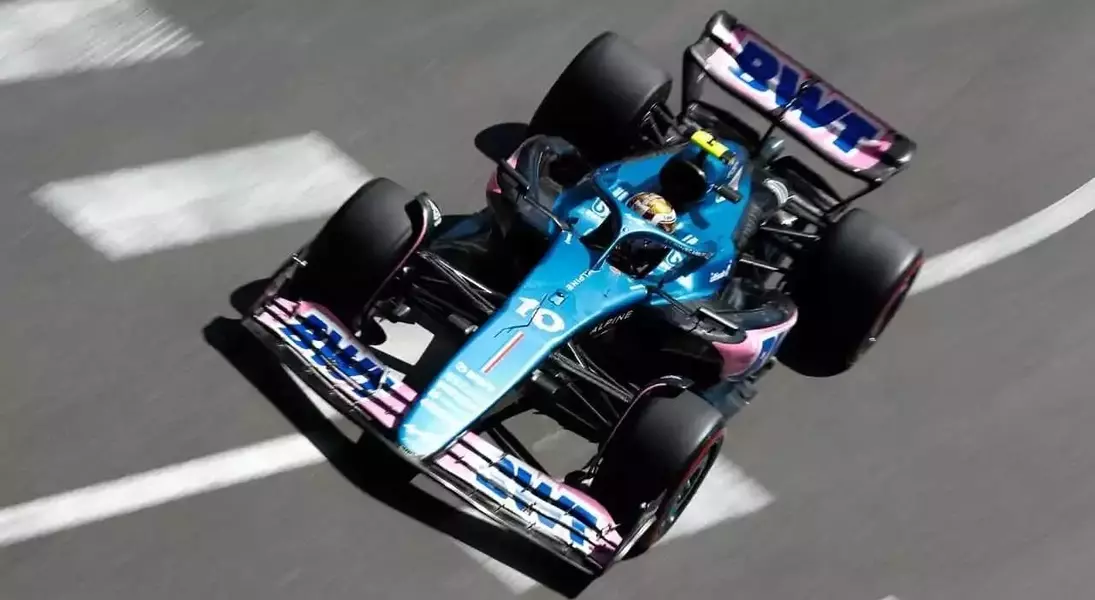
Alpine, despite its acclaimed road cars, has faced challenges in its F1 program. Following a lackluster 2025 season where they finished at the bottom of the standings, the Renault Group opted to discontinue its French engine development. This strategic shift will see Mercedes-Benz supplying power units, a move anticipated to bring considerable performance improvements. Under the guidance of the experienced Flavio Briatore and with talented drivers Pierre Gasly and Franco Colapinto, Alpine aims to revitalize its F1 presence.
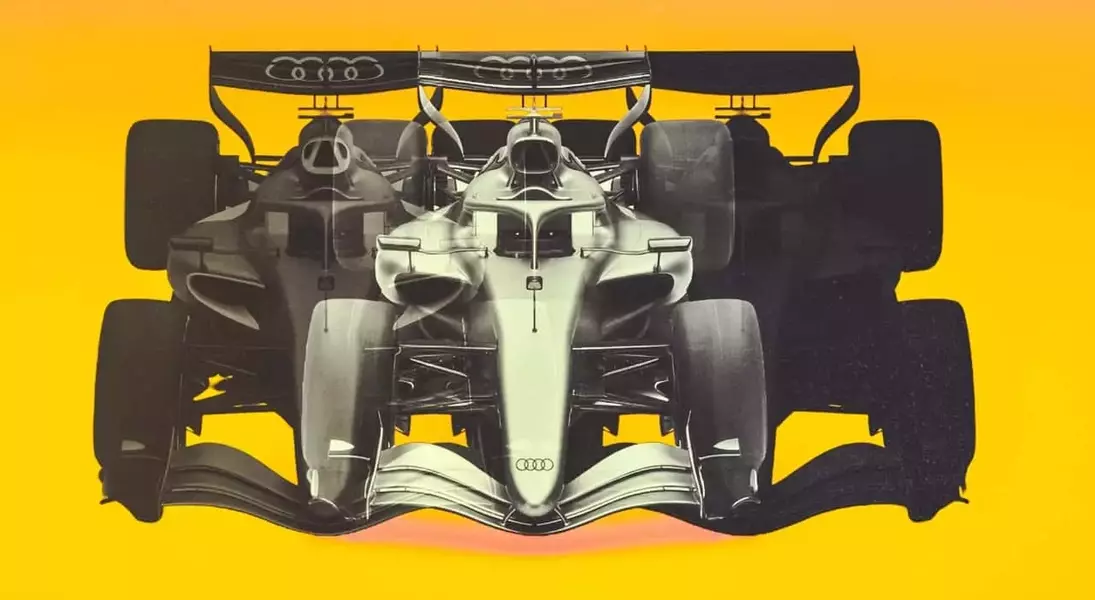
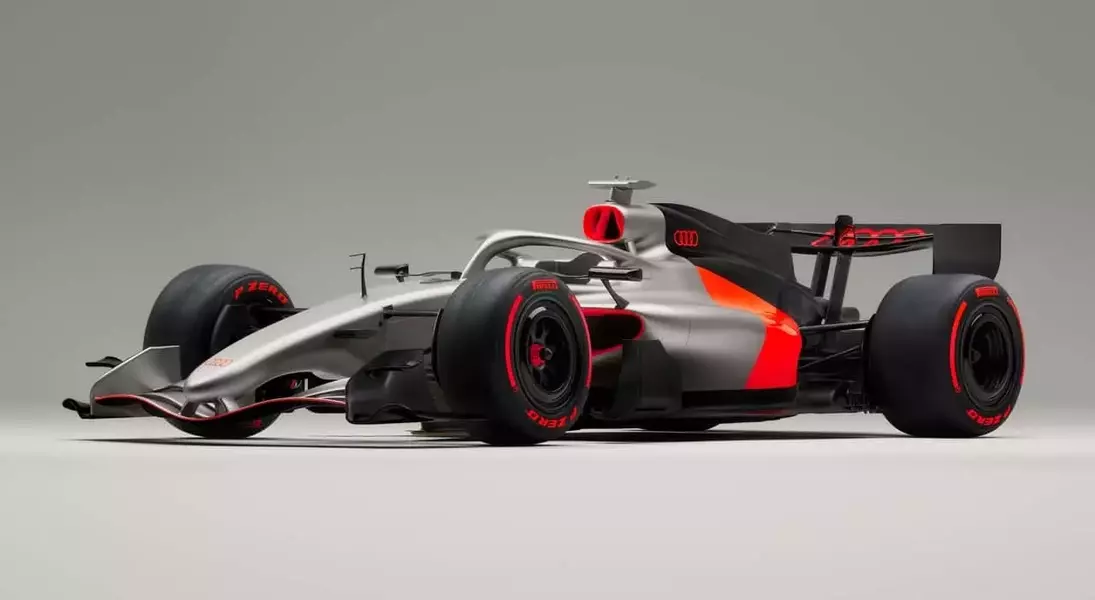
Audi, making its significant entry into F1 under the Volkswagen Group umbrella, brings a rich heritage of success from rallying, Le Mans, and touring car racing. The company's substantial investment, including the development of its own engine, underscores its commitment to the sport. With a strong management team and skilled drivers, Audi is banking on the new regulations to level the playing field, making them a formidable competitor to watch in the 2026 season.
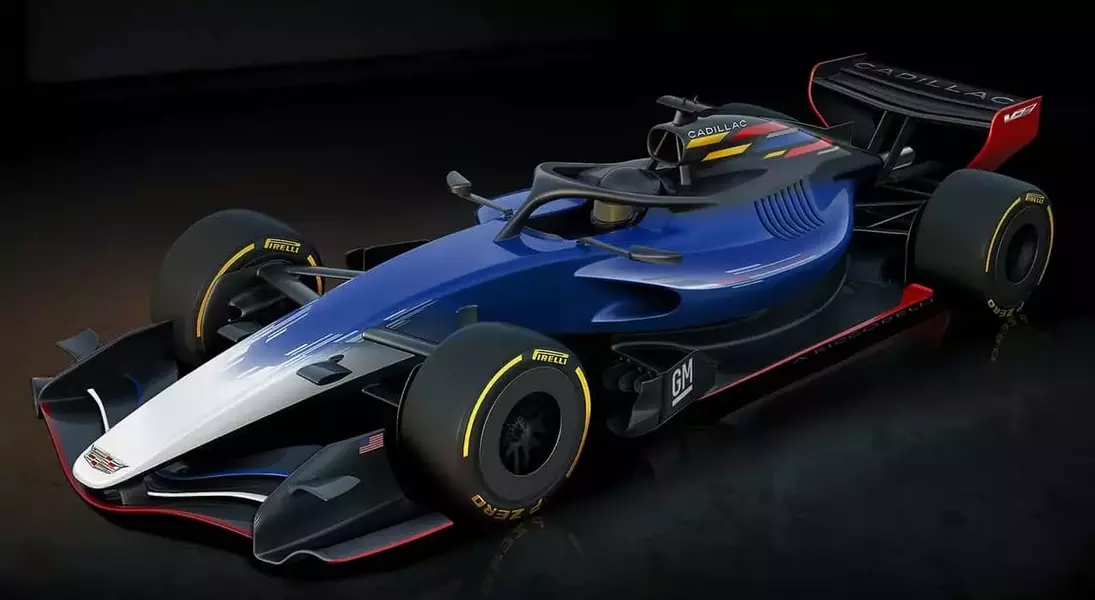
Cadillac's debut in Formula 1 as the championship's eleventh team represents a major milestone for American motorsport. Backed by General Motors, Cadillac possesses ample resources, though 2026 will be a foundational year as they develop their chassis from the ground up. Initially, Ferrari will provide the power units, with Cadillac planning to introduce its proprietary powertrain around 2028. With legendary figure Mario Andretti on its board and a confident team based in Silverstone, Cadillac is set for an intriguing journey.
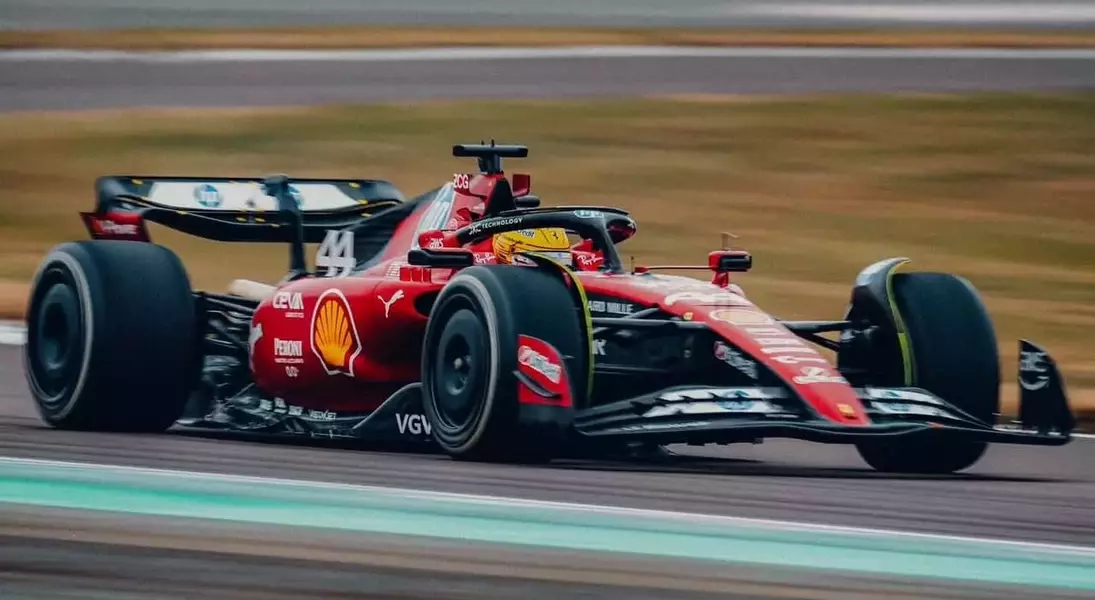
Ferrari and Mercedes-Benz, the enduring titans of Formula 1, continue their legacy by supplying powertrains to various teams across the grid. In the evolving hybrid era, Mercedes remains a dominant force in power unit technology, while Ferrari's prowess in motorsport is undeniable. Both teams boast exceptional driver lineups, including George Russell and Kimi Antonelli for Mercedes, and the formidable pairing of Charles Leclerc and Lewis Hamilton for Ferrari, bringing unparalleled experience to the track.
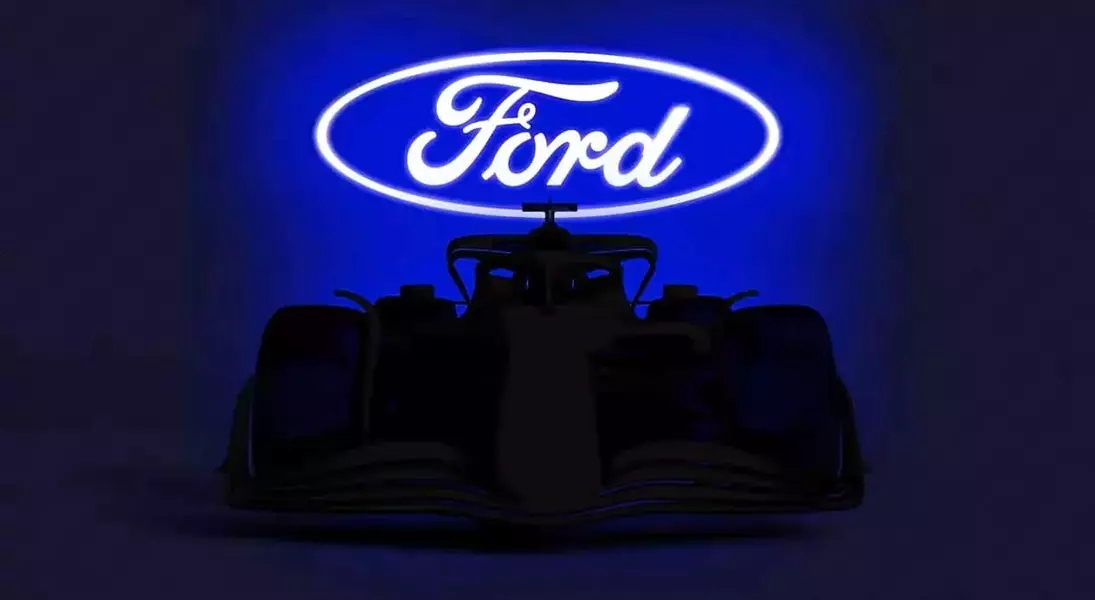
Ford makes a much-anticipated return to F1 for the first time since 2004, partnering with Red Bull Racing. The American manufacturer is providing significant support to Red Bull Powertrains, leveraging its expertise in hybrid and electric technologies. This partnership is crucial for both entities, as Red Bull transitions from its long-standing reliance on Honda. With Max Verstappen and the promising Isack Hadjar leading the driver lineup, the team, now under Laurent Mekies, faces the challenge of integrating new technologies while maintaining its competitive edge.
Honda, having initially planned to exit F1, has renewed its commitment to the sport, driven by its surging popularity and technological advancements in hybrid engines. Post-2025, Honda will align with Aston Martin, a team benefiting from substantial investment by owner Lawrence Stroll. With Honda's proven track record of producing winning powertrains, combined with Aston Martin's state-of-the-art infrastructure, the expertise of Adrian Newey, and the talent of two-time champion Fernando Alonso, this collaboration holds immense potential for success.
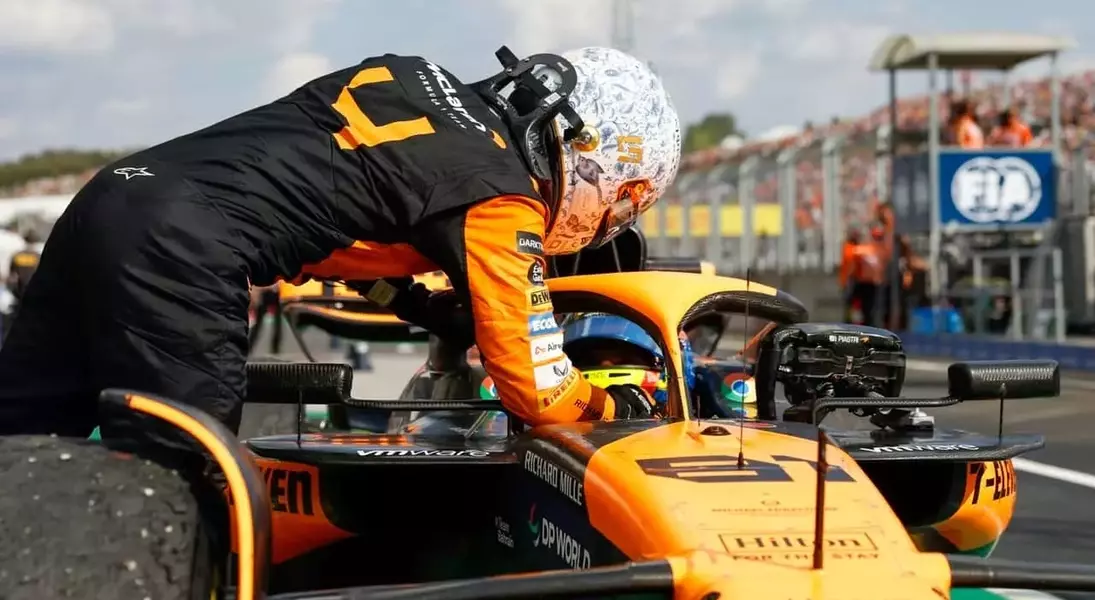
McLaren enters the 2026 season as reigning champions, having secured both the constructors' and drivers' titles in an incredibly successful 2025. Their continued partnership with Mercedes for power units positions them strongly. The Woking-based team has demonstrated an exceptional ability to optimize their chassis around the Mercedes engine, potentially giving them an advantage. With champion Lando Norris and Oscar Piastri forming a formidable duo, and under the strong leadership of CEO Zak Brown and Team Principal Andrea Stella, McLaren is well-equipped to defend its titles. The primary challenge now may lie in managing team dynamics and internal rivalries.
The 2026 Formula 1 season marks a significant shift in the sport's landscape, driven by comprehensive regulatory changes impacting both power units and aerodynamics. This season will witness a renewed focus on engineering excellence and strategic partnerships among leading automotive brands. From Alpine's restructuring with Mercedes power to Audi's determined entry, Cadillac's ambitious American dream, the sustained rivalry of Ferrari and Mercedes-Benz, Ford's strategic return with Red Bull, to Honda's powerhouse collaboration with Aston Martin, and McLaren's defense of its championships, each team brings unique strengths and challenges to the grid. These developments promise a thrilling and unpredictable season, where innovation and talent will be key to navigating the evolving demands of elite motorsport.
