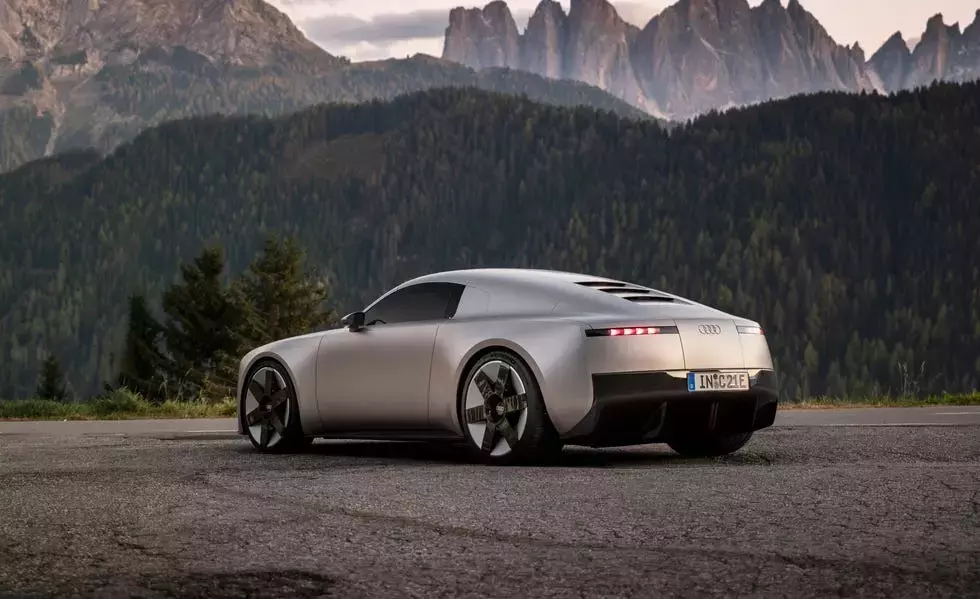
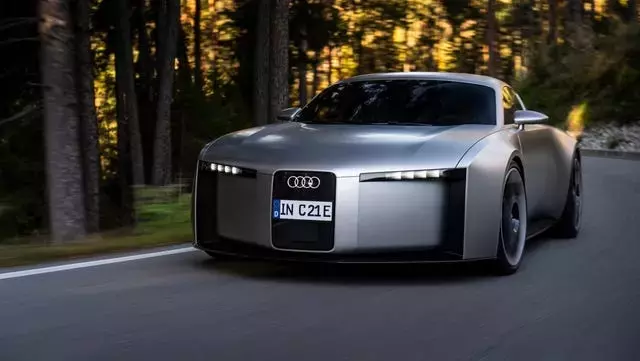
The automotive world eagerly anticipates the debut of Audi's next-generation sports car, hinted at by the recently unveiled Concept C. This electric two-seater provides a clear vision for the successor to the iconic Audi TT, which concluded its production after the 2023 model year. While the official name remains undisclosed, expectations are high for a reveal later this year, with the production model slated to hit showrooms around 2027. The Concept C's bold design is poised to heavily influence the final version, marking a pivotal moment for Audi's design philosophy and its foray into a new era of performance vehicles.
This upcoming model carries significant weight for Audi, particularly in light of its recent market performance. The luxury brand experienced a downturn in sales last year, compounded by strategic missteps such as the introduction and subsequent retraction of an unpopular naming convention. With the departure of both the TT and the R8 supercar, Audi's current portfolio lacks a flagship performance vehicle. The new sports car, drawing inspiration from the Concept C, is therefore crucial for reigniting brand enthusiasm and market presence. Audi's CEO, Gernot Döllner, has reportedly described this new roadster as a "TT Moment 2.0," underscoring its importance in rejuvenating the brand's image and competitive edge. The vehicle is expected to share its underlying architecture with the next-generation Porsche 718, which was initially conceived as an all-electric model but is now being adapted to support internal combustion engines, suggesting a dual powertrain strategy might be available for its Audi counterpart. The Concept C showcases a rear-wheel-drive configuration, though an all-wheel-drive option, a hallmark of Audi's Quattro system, is highly probable for the production variant. Furthermore, innovative features like a digital gearbox that simulates shifts are rumored to be under consideration.
As Audi prepares to launch this ambitious new sports car, it enters a competitive landscape that is currently sparse in the two-seater electric segment in the U.S. However, by its projected arrival in 2027, competitors such as the new Porsche 718 Boxster and Cayman are expected to be on the market, and even Tesla's long-awaited second-generation Roadster might finally appear. The forthcoming Audi model will compete across a spectrum that bridges the former TT and R8 segments, where hybrid options exist but fully electric sports cars are rare. The estimated price range, hovering between the last TT's $55,000 and the R8's $160,000+, suggests the new sports car will likely command a six-figure price tag. While the journey to production may face challenges similar to those experienced by Porsche's electric sports car, the introduction of this innovative electric two-seater represents Audi's commitment to pushing the boundaries of automotive design and performance.
This forward-looking venture by Audi underscores the industry's shift towards electric performance and sustainable luxury. It symbolizes a daring spirit to innovate and adapt, reminding us that progress often stems from embracing change and overcoming obstacles. The pursuit of excellence and the courage to redefine possibilities in the automotive world not only benefit consumers with advanced vehicles but also inspire a broader vision of technological advancement and environmental stewardship.
