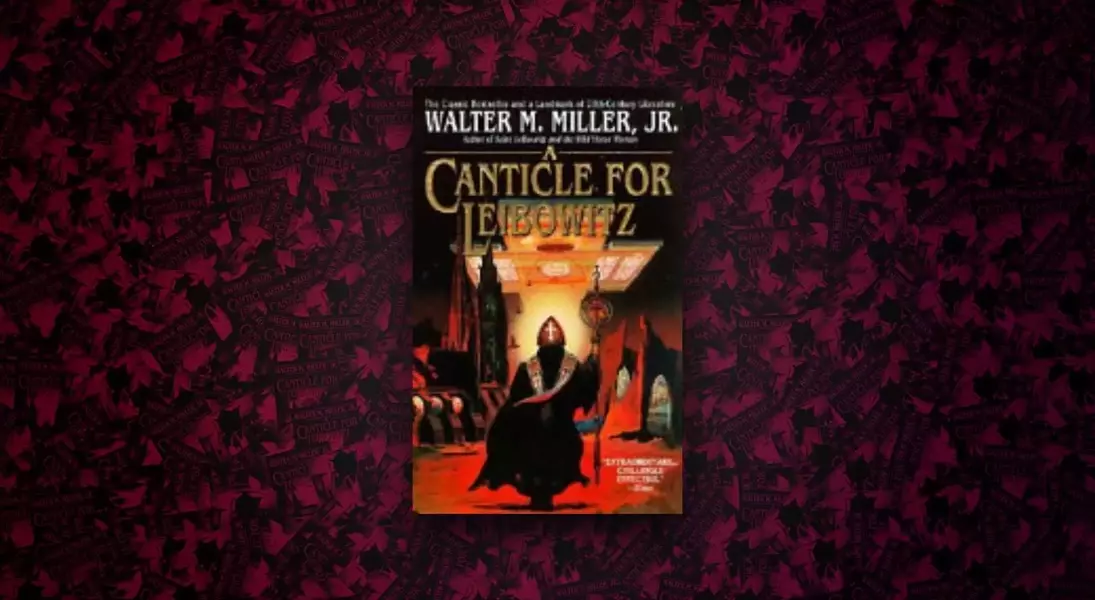
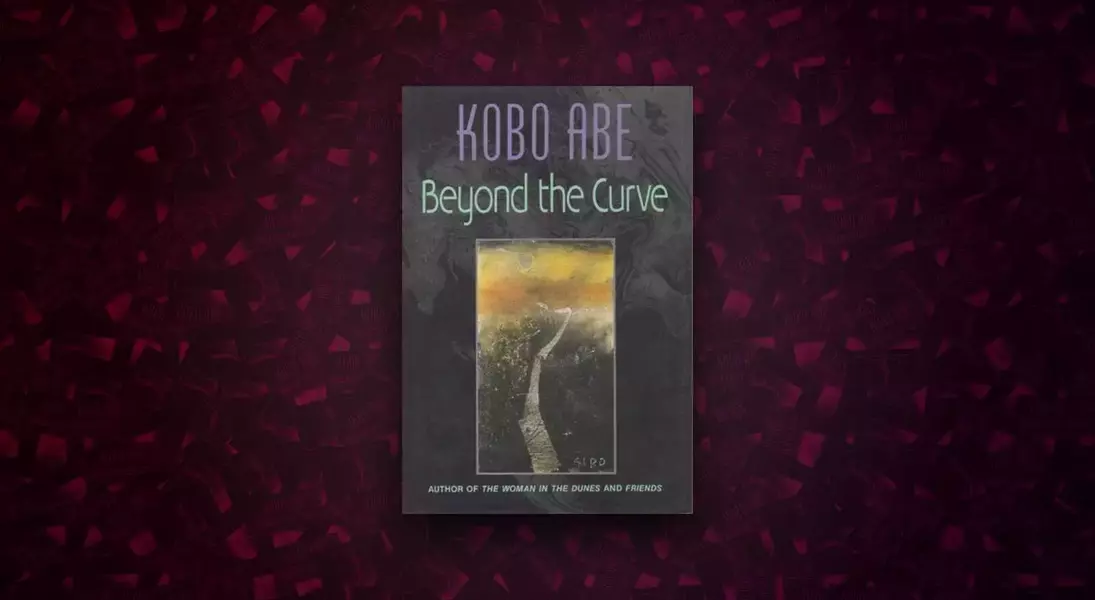
A curated selection of groundbreaking speculative literature highlights ten seminal books that reshaped imaginative storytelling over past decades. These volumes range from early twentieth-century dystopian allegories like Yevgeny Zamyatin's We to mid-century mind-altering narratives by Philip K. Dick and Walter M. Miller Jr. Modern classics such as Liu Cixin's cosmic trilogy entry and Ursula K. Le Guin's gender-dismantling exploration further illustrate the category's breadth. Instead of relying solely on action-heavy space conflicts, these authors interrogate identity, authority, technological convergence, and societal cycles. By examining deep philosophical questions through inventive scenarios, these writings remain pivotal contributions to international literary heritage.
Crucial Speculative Literature Landmarks Across Literary History
Throughout the twentieth and early twenty-first centuries, creative writers across various continents constructed foundational literary works that expanded speculative narrative horizons. During a frosty winter season in the early 1920s, Yevgeny Zamyatin crafted a regimented glass-walled world that established modern dystopian tropes. Two decades later, Adolfo Bioy Casares envisioned holographic technological loops on a secluded tropical isle. As decades unfolded, authors like Isaac Asimov structured vast interstellar historical trajectories based on mathematical principles, while Dan Simmons employed a classical Canterbury-inspired narrative design during a golden autumn of late-eighties publishing. Simultaneously, visionary creators including Kōbō Abe, Neal Stephenson, and Liu Cixin introduced surreal existential horror, metaverse environments, and complex cosmic physics into global consciousness, demonstrating how imaginative writing continuously reflects human anxieties and aspirations.
As an attentive observer of literary trends, reviewing these monumental writings reveals how deeply speculative storytelling acts as a mirror to contemporary technological and social anxieties. Rather than merely forecasting gadgets or distant planets, the most resonant works examine the fragile essence of human connection, ethical responsibility, and cultural evolution. Engaging with these stories encourages readers to critically evaluate current societal trajectories while appreciating the enduring power of creative intellectual dissent.
