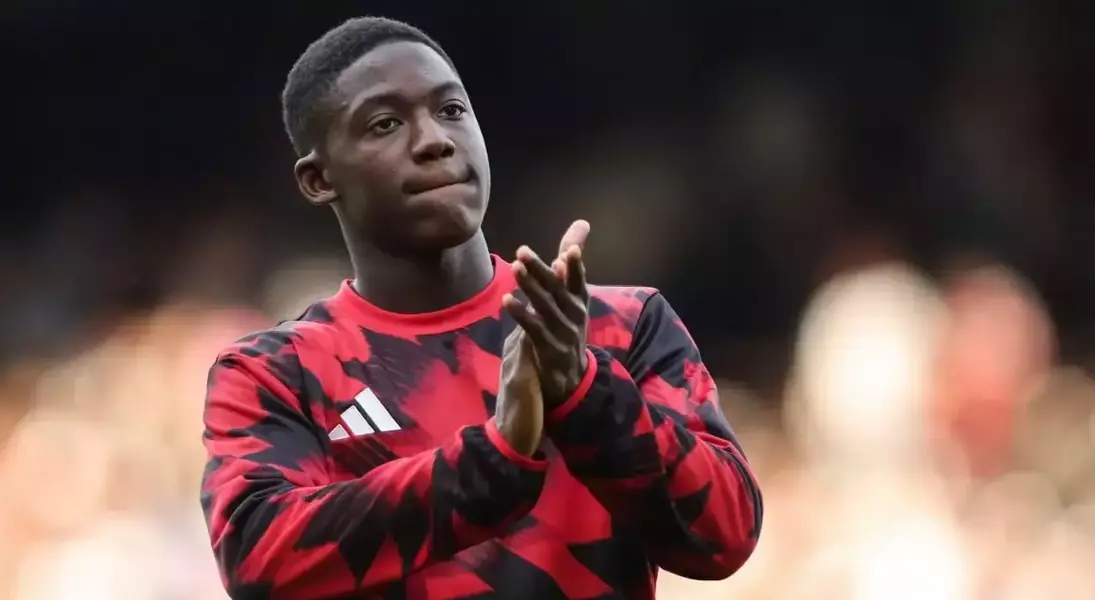
The curious case of Kobbie Mainoo's extended absence from Manchester United's starting eleven, and indeed from the pitch entirely, has become a focal point of recent football discussions. Despite his clear potential, the young midfielder has yet to register a single minute of play this season, leading to growing speculation and concern among fans and pundits alike. This situation highlights a broader strategic dilemma for the club, balancing established stars with emerging talents and adapting to the demands of competitive football.
Manager Ruben Amorim's stance on Mainoo's development, coupled with the continued reliance on key players even when underperforming, underscores the complex challenges inherent in modern football management. The narrative is further enriched by external analyses from former players, who offer differing perspectives on how Mainoo's specific playing style fits within the current team structure, suggesting a deeper tactical consideration behind his non-selection.
Mainoo's Unplayed Minutes: A Tactical Puzzle
Kobbie Mainoo's complete absence from Manchester United's match-day action this season has become a significant talking point. He remained an unused substitute during crucial encounters, including a recent 1-1 draw against Fulham, even as other players were introduced to alter the game's dynamic. This decision has perplexed many, particularly given his perceived talent and the team's need for fresh impetus in midfield.
Manager Ruben Amorim attributed Mainoo's lack of minutes to a direct competition with team captain Bruno Fernandes for a midfield spot. Amorim emphasized the necessity for Mainoo to rigorously contend for his place in training, stating that this level of internal rivalry is characteristic of Manchester United's high standards. However, this explanation sparks further inquiry, especially considering Fernandes's unyielding presence in the lineup, even when his performance falters, as evidenced by a missed penalty against Fulham. The manager's unwavering faith in Fernandes, despite such setbacks, suggests that Mainoo's path to regular playing time is fraught with significant obstacles.
The Debate Around Player Fit and System Requirements
The strategic deployment of players and the architectural design of a footballing system are paramount to achieving success, and this is particularly pertinent when discussing Kobbie Mainoo's current predicament at Manchester United. Manager Ruben Amorim's preference for certain midfield configurations, which have consistently excluded Mainoo, indicates a tactical choice that prioritizes other attributes or established partnerships within the squad. This approach raises questions about whether the current system is designed to fully leverage Mainoo's unique capabilities or if his development is being hampered by the existing team framework. The manager's decision-making, especially in critical moments during matches where Mainoo remained on the bench, further solidifies the perception that there is a clear strategic bias at play, regardless of potential on-field benefits the young midfielder might offer.
Adding to the discussion, insights from former players, such as Rio Ferdinand, provide a nuanced perspective on Mainoo's situation. Ferdinand posits that Mainoo is a player who thrives within a very specific tactical setup, contrasting him with others who can adapt their game to any environment. This observation suggests that for Mainoo to reach his optimal performance level, the team's overarching system must be tailored to accentuate his strengths, rather than expecting him to force a fit. The implication is that if Manchester United's current tactical blueprint does not align with Mainoo's inherent playing style, his opportunities will remain limited, regardless of his individual efforts in training or his inherent talent. Therefore, the ongoing debate transcends mere playing time; it delves into the fundamental alignment between player profile and team philosophy, illustrating the intricate challenges faced by both the manager in maximizing squad potential and the player in securing a prominent role.
