Steam, the undisputed titan of the PC gaming world, holds a near-monopoly, with a significant majority of developers recognizing its pervasive influence. Despite its current success, a collective of PC gaming enthusiasts and experts has identified several crucial enhancements that could further elevate the platform by 2026. These proposed improvements touch upon various aspects of the user experience, from refining community feedback mechanisms to expanding system functionalities and optimizing game management, all aimed at maintaining Steam's leading edge and fostering continued innovation.
Detailed Report on Proposed Steam Enhancements
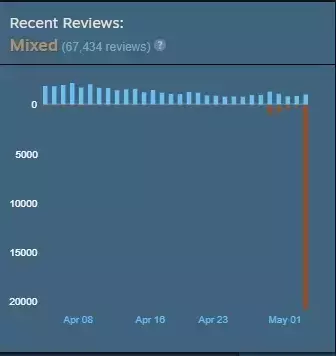
In a recent collaborative effort, several prominent voices from the PC gaming community convened to outline nine pivotal areas where Steam could undergo significant transformations by the year 2026. Among the most pressing suggestions was a fundamental overhaul of the Steam review system. Senior Video Producer Scott Tanner articulated the need to move beyond the current binary 'thumbs-up/thumbs-down' model. He, along with others, advocated for a more nuanced rating system, potentially incorporating a five-star scale or optional scores for specific attributes such as graphics, gameplay, and accessibility. This change would provide consumers with richer, more contextual feedback, moving past the limitations of simple approval or disapproval, which often fails to capture a game's multifaceted qualities.
Adding to the discussion on reviews, Guides Writer Rory Norris emphasized the importance of integrating user system specifications directly into review profiles. This feature would allow prospective buyers to gauge a game's performance on hardware comparable to their own, offering invaluable insight that often goes unaddressed by developer-provided system requirements. This could also mitigate unfair negative reviews stemming from users playing on inadequate systems, thereby fostering a more accurate and helpful review landscape.
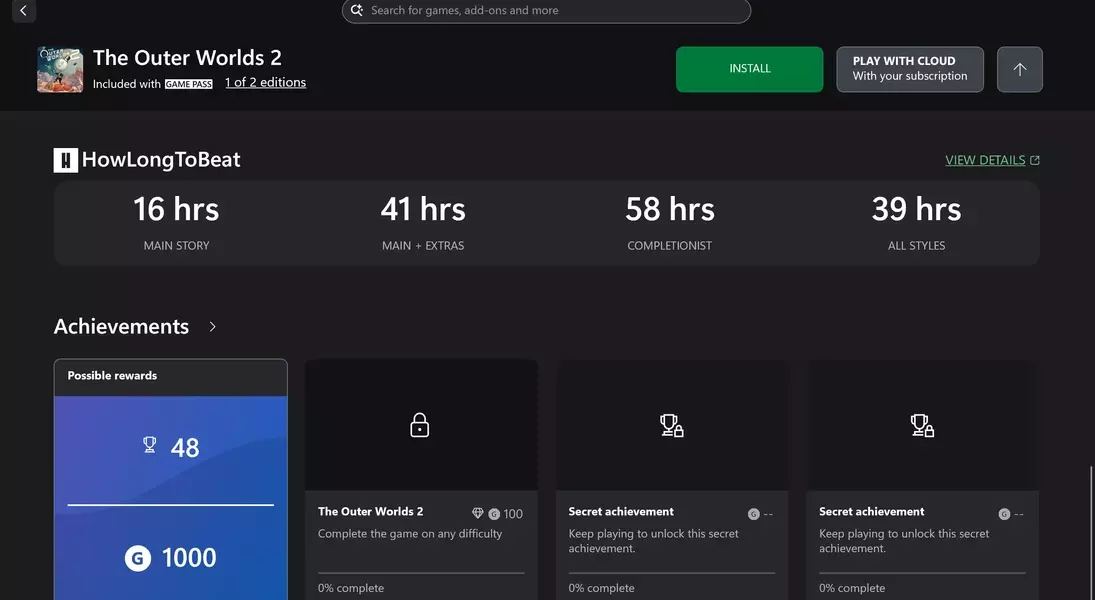
Beyond reviews, store page functionality also received attention. Evergreen Writer Kara Phillips highlighted the necessity of a built-in price tracker, similar to services like SteamDB. Such a tool would empower users to make more informed purchasing decisions by visualizing price fluctuations over time, ensuring they can seize optimal sale opportunities. Rory Norris further proposed integrating data from services like HowLongToBeat, which would display estimated game completion times directly on store pages, helping players better manage their gaming commitments.
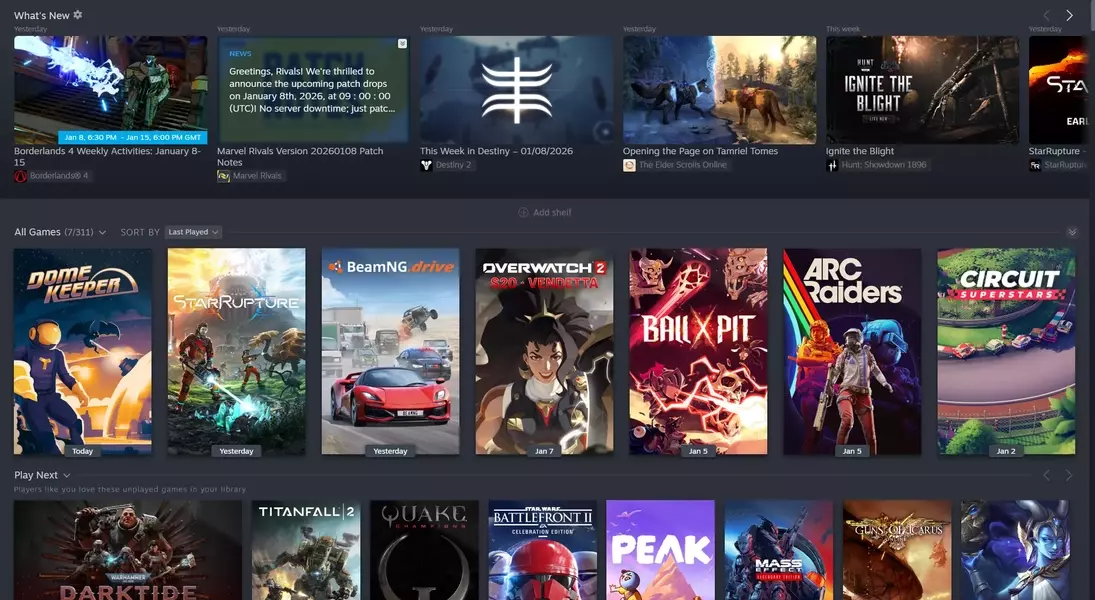
The management of personal game libraries was another focal point. Lead SEO Editor Lauren Morton suggested a 'currently playing' section within the library, akin to book-tracking applications. This dedicated space would allow users to easily monitor their progress in active games, potentially displaying achievement completion percentages and hours played, transforming the library into a more personalized command center rather than a mere catalog.
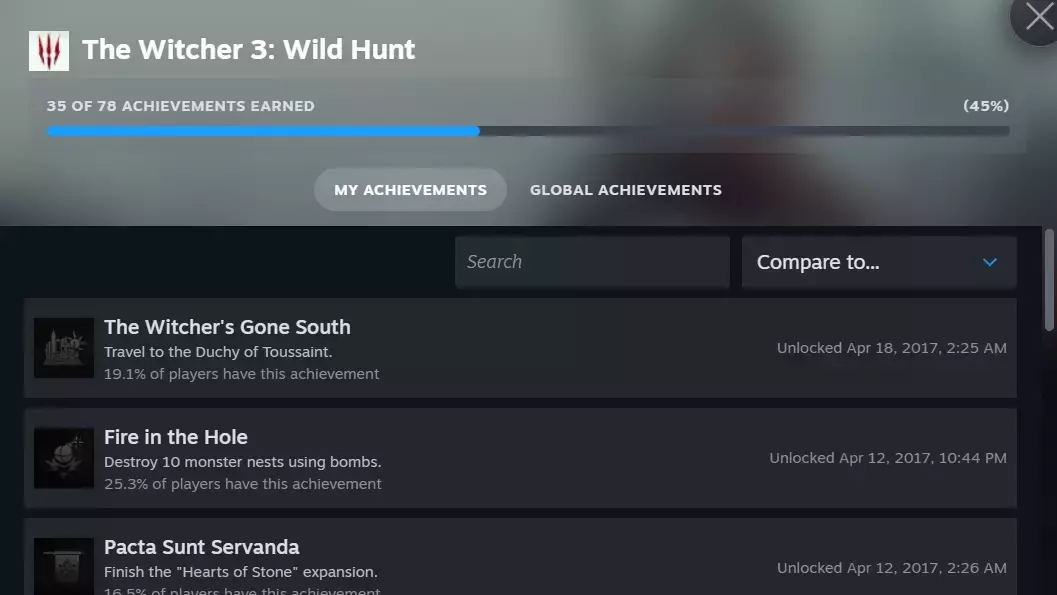
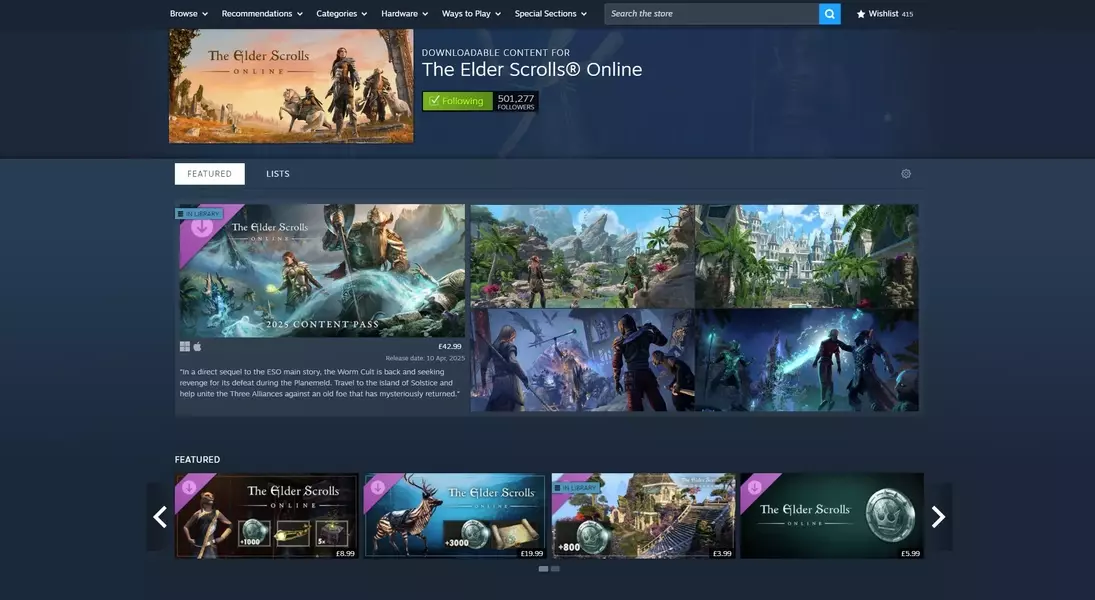
Rory Norris also contributed ideas for enhancing the achievement system and DLC management. He pointed out the current flaw where base game and DLC achievements are bundled together, making it impossible to achieve 100% completion for the main game if DLC is not owned. Drawing inspiration from PlayStation's segmented achievement categories, he proposed a similar system for Steam to streamline the completionist experience. Additionally, Editorial Director Jake Tucker called for a more intuitive method for discovering and acquiring unowned DLC, as the current system often leads to confusion amidst numerous cosmetic offerings and existing bundles.
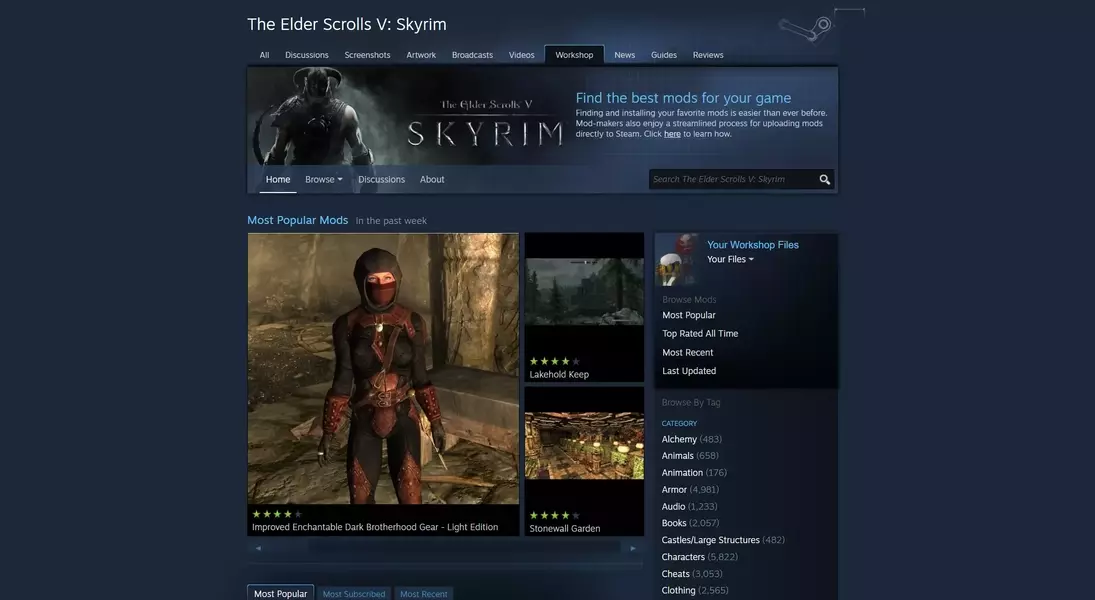
News Writer Joshua Wolens weighed in on mod support, expressing a desire for Steam Workshop to evolve into a more robust and widely adopted platform. He envisioned a system that could automatically manage mods and updates, akin to dedicated mod organizers, and integrate with a broader range of older titles, simplifying the modding process for classics like New Vegas.
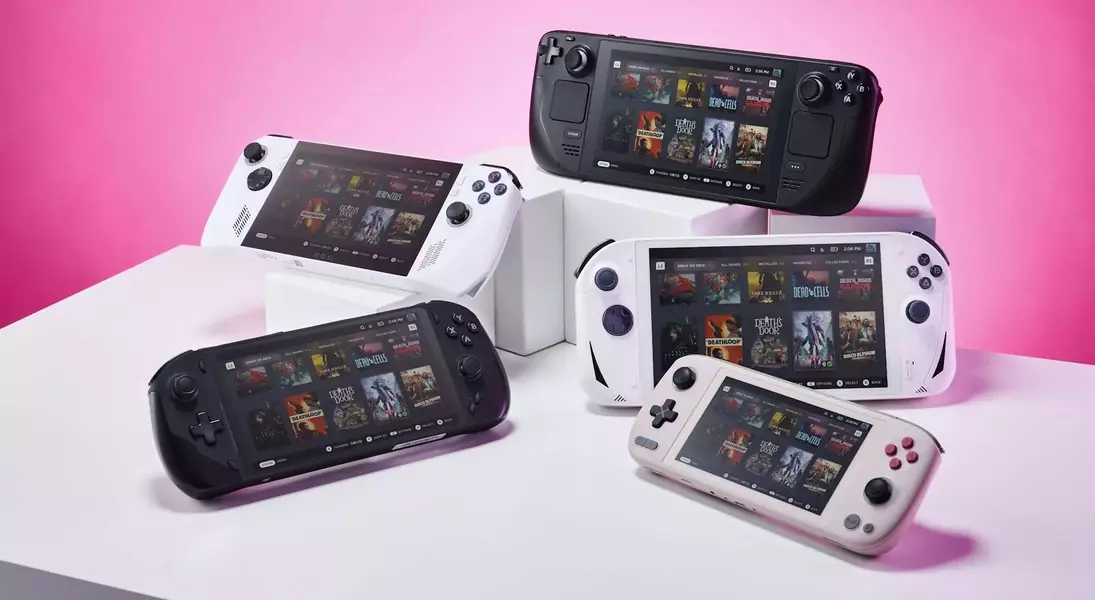
Finally, Senior Editor Wes Fenlon brought attention to the broader distribution of SteamOS. With the success of the Steam Deck, there is a growing demand for a full-fledged Linux distribution that can be installed on any PC. This would require enhanced driver support for various hardware configurations, including Nvidia graphics cards and Intel CPUs, effectively making SteamOS a viable, user-friendly alternative to Windows, thus realizing a vision Gabe Newell initiated years ago. Tyler Wilde, US EIC, playfully added a suggestion for a 'Gabe yacht tracker,' humorously implying a desire for updates on Valve's founder's oceanic explorations, reflecting the community's lighthearted engagement with the platform's leadership.
The collective vision articulated by these experts underscores a clear desire for Steam to not only maintain its current strengths but also proactively innovate. By addressing these areas, Steam could further solidify its position as the premier PC gaming destination, offering an even more refined, intuitive, and comprehensive experience for its vast user base. The proposed changes highlight a move towards greater personalization, better informational transparency, and enhanced system integration, all crucial for the evolving landscape of digital gaming.
