
When Final Fantasy 4 debuted in Japan in July 1991, it marked a significant milestone, becoming the first entry in the series for the Super Famicom/Super Nintendo. Beyond introducing the now-iconic Active Time Battle system, a staple that Square Enix continues to utilize, the game's true innovation lies in its exceptional integration of character personalities and individual abilities with the expansive narrative. This unique blend distinguishes it from many role-playing games, including other titles within the Final Fantasy franchise, by creating a cohesive and immersive experience where characters are not merely participants but essential drivers of the plot.
The story centers on Cecil, a conflicted knight serving the tyrannical king of Baron. Despite his moral reservations, Cecil initially follows the king's destructive commands, driven by a misplaced sense of loyalty and the influence of his childhood companion, Kain. However, a turning point arrives when he can no longer reconcile his actions with his conscience. This forces Cecil onto a path of atonement, where he confronts the devastating consequences of his past deeds. His journey is a profound exploration of redemption, as he strives to halt his king and the sinister forces manipulating him from engulfing the world in darkness. The narrative portrays redemption with striking realism, illustrating that even after a change of heart, Cecil must face the lingering repercussions of his actions, affecting the towns he helped ravage and the lives he irrevocably altered.
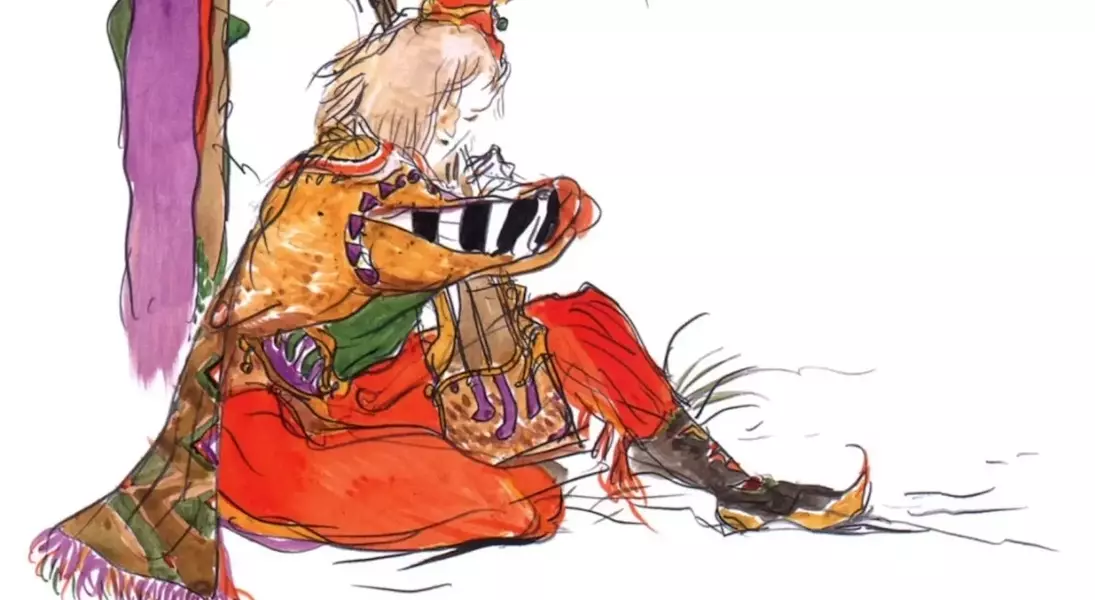
A notable aspect of Final Fantasy 4 is how it intricately links character attributes to their in-game functions and the broader storyline. Unlike subsequent Final Fantasy titles where character abilities were often more interchangeable, this game ensures that each character's combat role and personal journey are mutually dependent. For instance, Tellah's ability to cast Meteor is tied to his ultimate sacrifice, Rydia's summoning powers are central to the plot, and the Mysidia mages, Palom and Porom, are indispensable to Cecil's narrative. Edward's perceived uselessness in battle reflects his initial cowardice, while Rosa, the party's compassionate healer, naturally assumes the role of the primary supporter. Yang's martial discipline not only defines his combat style but also foreshadows his future leadership, symbolizing a new era of order following an age of conflict. This deliberate design makes each character's contribution irreplaceable, fostering a deeper connection between players and their struggles. The enduring appeal of Final Fantasy 4 lies in this unique narrative structure, which creates a heightened sense of intimacy and emotional investment in the characters' triumphs and tragedies, a practice that, regrettably, Square Enix has seldom revisited in such a direct and impactful manner.
Ultimately, Final Fantasy 4 stands as a testament to the power of thoughtful character development and narrative integration in video games. It teaches us that true change comes not just from a shift in allegiance but from facing the lingering effects of one's choices and working towards a better future. The game’s intricate design, where each character’s role is woven into the very fabric of the story, emphasizes the importance of individual contribution to the collective good. This profound approach fosters empathy and connection, reminding players that every action has consequences and every person, no matter how flawed, has the potential to contribute to a more just and hopeful world.
