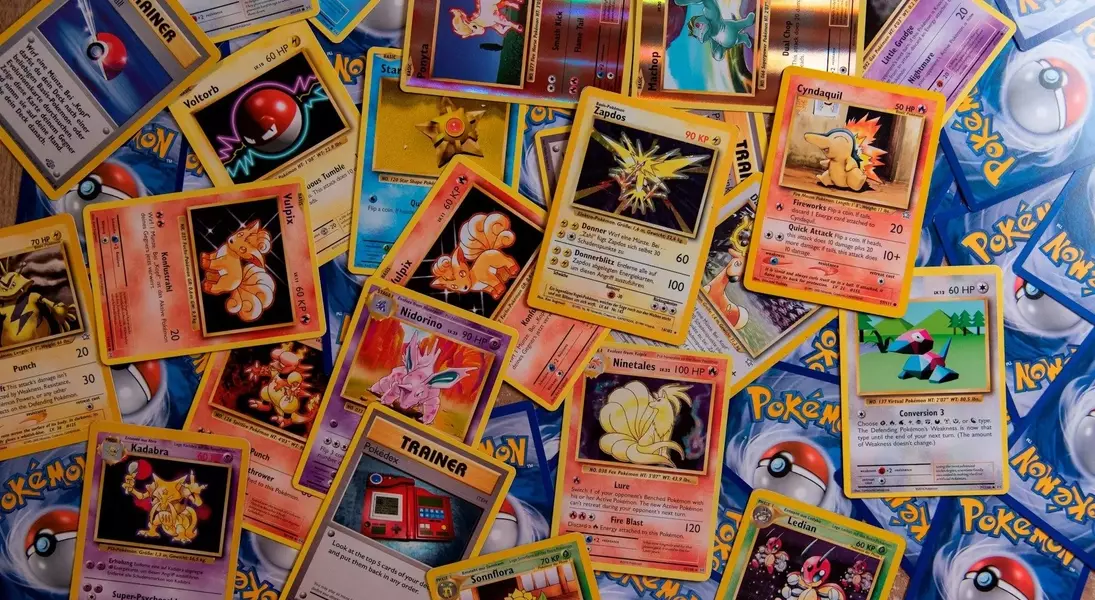
The Pokémon Trading Card Game has recently faced significant challenges due to widespread scalping and inflated secondary market prices, impacting both collectors and the overall accessibility of products. This situation has prompted a direct response from Nintendo, as highlighted in a recent shareholder meeting.
Ensuring Fair Play: Nintendo's Stance Against Market Manipulation in Pokémon TCG
The Growing Challenge of Unauthorized Reselling and Price Inflation in the Pokémon Trading Card Game Market
The Pokémon Trading Card Game (TCG) has been significantly affected by the issue of scalping, where individuals purchase large quantities of limited-edition items with the intent to resell them at substantially higher prices. This practice has not only driven up costs for genuine enthusiasts but has also made it increasingly difficult for average consumers to acquire new releases, creating a distorted market environment. Retailers, including major outlets like GameStop, have at times contributed to this problem by implementing their own price increases on highly sought-after Pokémon TCG products, further exacerbating market imbalances.
Nintendo's Direct Engagement with Investor Concerns Regarding Market Speculation
During its latest annual shareholder conference, Nintendo's president, Shuntaro Furukawa, directly addressed investor inquiries concerning "bulk purchasing and high-priced reselling" within the Pokémon TCG ecosystem. This engagement underscores the company's recognition of the severity of the problem and its commitment to finding effective solutions. Furukawa's remarks indicate that both Nintendo and The Pokémon Company are actively monitoring the situation and developing strategies to mitigate the negative impacts of speculative market activities.
The Pokémon Company's Strategic Measures to Combat Market Exploitation
In response to the escalating issue, The Pokémon Company, which operates as an equity-method affiliate of Nintendo, has initiated several strategic interventions. These measures include the implementation of made-to-order sales, which allow for controlled distribution based on demand rather than speculative purchasing. Additionally, the company is engaging in agreements with various marketplace operators to curb illicit reselling. A notable initiative in Japan involves using official government-issued identification cards, known as My Number Cards, for online priority drawings of certain products, aiming to verify purchasers' identities and prevent mass acquisitions by scalpers.
Industry Recognition and the Path Forward: Addressing Market Fairness
While some of these initiatives, such as the ID verification system in Japan, have already been publicized, Nintendo's explicit acknowledgment of the problem during a public forum reinforces the industry's commitment to addressing market fairness. Although President Furukawa primarily attributed the responsibility for resolving these issues to The Pokémon Company, he emphasized ongoing communication and collaboration between the two entities. This collaborative approach suggests a concerted effort to develop and refine solutions that protect the integrity of the Pokémon TCG market and ensure that products reach genuine fans at equitable prices.
Anticipating Enhanced Corporate Action to Mitigate Scalping and Improve Consumer Access
There is a strong expectation that Nintendo will adopt a more proactive stance in tackling the pervasive issues of scalping. The fact that investor concerns have reached the highest levels of the company leadership signifies a critical juncture. This increased scrutiny from stakeholders is likely to encourage Nintendo to innovate and implement more robust mechanisms to safeguard the collecting experience. Ultimately, these efforts are aimed at making the Pokémon Trading Card Game more accessible and enjoyable for its dedicated fanbase, free from the stresses and financial burdens imposed by secondary market manipulation.
