
The character of Lara Croft has traversed a fascinating path from video game icon to cinematic star, a journey marked by both commercial triumphs and critical discussions. Two prominent film adaptations, released seventeen years apart, offer contrasting yet equally compelling interpretations of the intrepid archaeologist. While the initial venture captivated global audiences with its star power and grand scale, the subsequent reboot aimed for a more grounded and character-driven narrative. Both films, despite their differing reception and approaches, underscore the enduring appeal of Lara Croft and the complexities inherent in translating beloved game franchises to the silver screen.
The year 2001 saw the debut of "Lara Croft: Tomb Raider," starring Angelina Jolie as the titular adventurer. This film was a significant box office success, becoming the highest-grossing video game adaptation at the time and cementing Jolie's status as a global star. Its rapid pacing and fantastical elements, though not universally praised by critics, resonated with a broad audience seeking high-octane entertainment. The movie positioned Lara as an unflappable and formidable figure, an embodiment of early 2000s action heroines. However, its emphasis on spectacle and a somewhat superficial portrayal of the character left some longing for a deeper narrative experience.
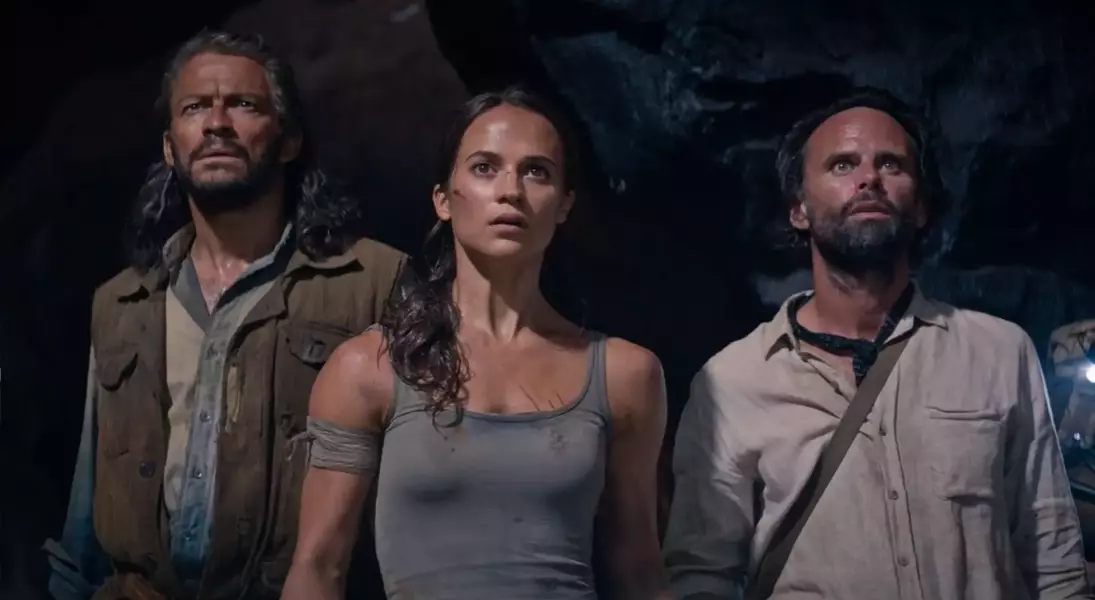
Fast forward to 2018, and the franchise received a fresh perspective with "Tomb Raider," featuring Alicia Vikander in the lead role. This reboot offered a more visceral and grounded origin story, drawing inspiration from the more recent video game iterations. While its North American box office performance was more modest compared to its predecessor, it achieved similar global financial success. Critically, this version was often lauded for its compelling action sequences, Vikander's physically demanding performance, and a narrative that focused on Lara's journey from an ordinary Londoner to a determined explorer. The film's less polished, more realistic approach to adventure, combined with its strong character development, carved out a distinct identity within the cinematic landscape of video game adaptations.
The contrasting receptions of these two films highlight the diverse expectations surrounding Lara Croft. Fans of the original games, and subsequently the early movies, often gravitated towards the charismatic, larger-than-life portrayal by Jolie. Conversely, the 2018 reboot appealed to those who appreciated a grittier, more relatable heroine, one who earned her iconic status through struggle and resilience rather than inherent prowess. This divergence in fan sentiment underscores the challenge of satisfying a broad and passionate fanbase when adapting a character with such a rich history and evolving mythology.
Despite the commercial success of both film iterations, the conversation around Lara Croft's cinematic future remains vibrant. The recent announcement of a new streaming series, starring Sophie Turner, has reignited discussions about authenticity and faithfulness to the character's core identity. Such debates are a testament to the enduring cultural significance of Lara Croft and the passionate engagement of her admirers. Ultimately, the various film adaptations, though distinct in their artistic choices and public reception, collectively contribute to the rich tapestry of Lara Croft's legacy, each offering a unique lens through which to view this iconic explorer.
Looking back at the two major film interpretations of Lara Croft, it's clear that both have left an indelible mark on the landscape of video game adaptations. The 2001 film, starring Angelina Jolie, was a groundbreaking box office hit, establishing the commercial viability of bringing gaming legends to the big screen. Its high-octane, somewhat fantastical approach delighted many, even if it was criticized for a lack of narrative depth. In contrast, the 2018 reboot, featuring Alicia Vikander, offered a more gritty and realistic origin story, earning praise for its engaging action and character development, despite not replicating the domestic box office success of its predecessor. Both movies, in their own ways, demonstrated the enduring appeal of Lara Croft and the continuous effort to capture her essence for diverse audiences, proving that there's more than one path to cinematic adventure.
