In the vibrant tapestry of video game history, certain titles emerge not just as entertaining diversions but as pivotal moments that redefine the very essence of interactive entertainment. Among these, the indie puzzle game <em>Fez</em>, launched in 2012, stands as a testament to groundbreaking innovation. Its unique perspective-shifting mechanic not only captivated players but also left an indelible mark on game design, inspiring a new generation of creators to explore unconventional approaches. While its highly anticipated sequel was controversially canceled, <em>Fez</em>'s legacy demonstrates that true masterpieces don't always require direct continuations to reshape their medium; their influence reverberates through the works they inspire.
The Revolutionary Impact of <em>Fez</em> and Its Unforeseen Journey
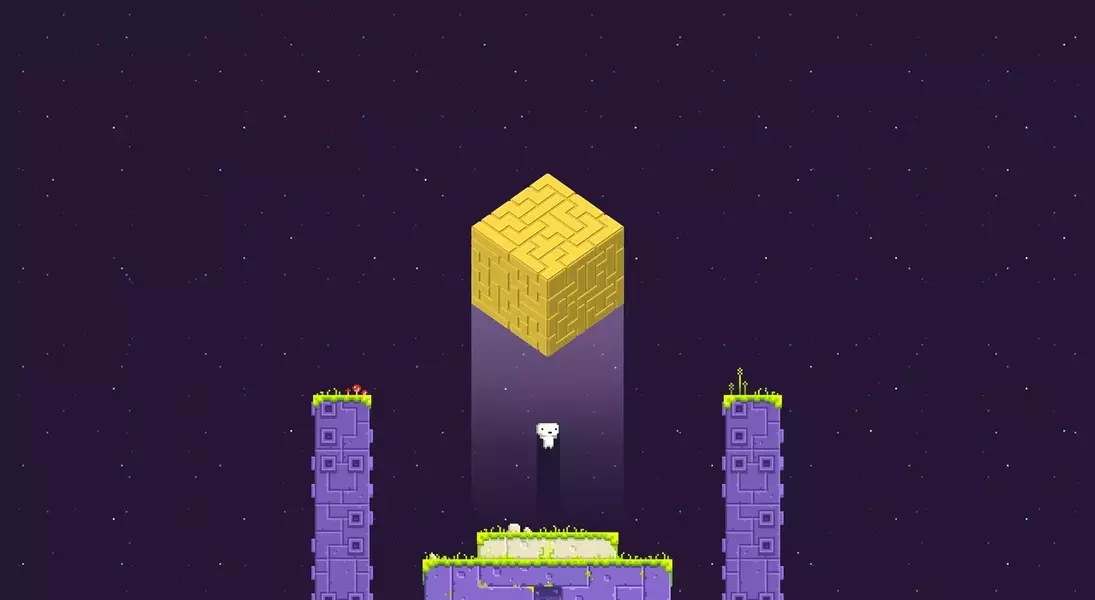
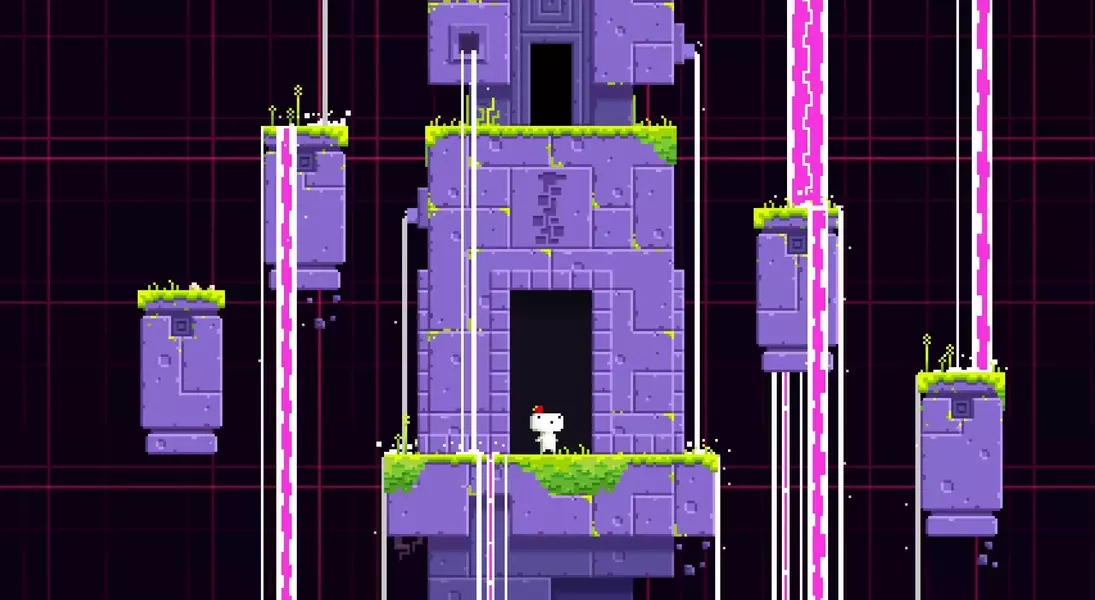
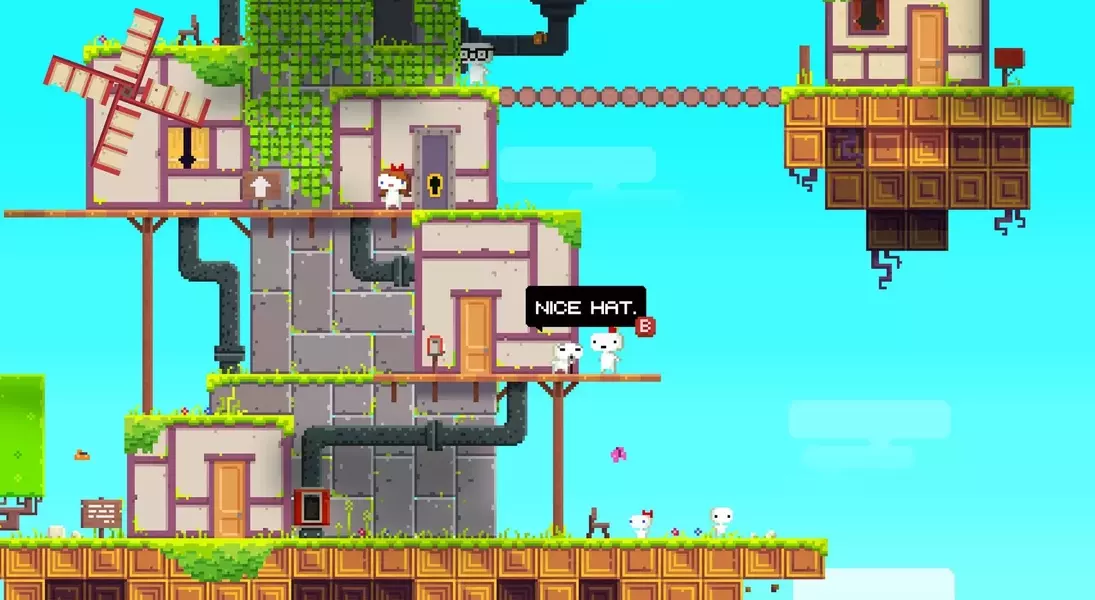
In the bustling landscape of 2012, amidst a surge of indie game development, a small title called <em>Fez</em> emerged, captivating players with its ingenious design. Developed by Polytron, the game introduced a protagonist, Gomez, a charming white mascot adorned with a fez, navigating what appeared to be pixelated 2D environments. However, <em>Fez</em>'s true marvel lay in its ability to rotate these seemingly flat worlds, revealing hidden 3D dimensions and unexpected pathways. This revolutionary perspective-shifting mechanic transformed a conventional platformer into an intricate puzzle game, challenging established genre norms and pushing the boundaries of what was thought possible in gaming.
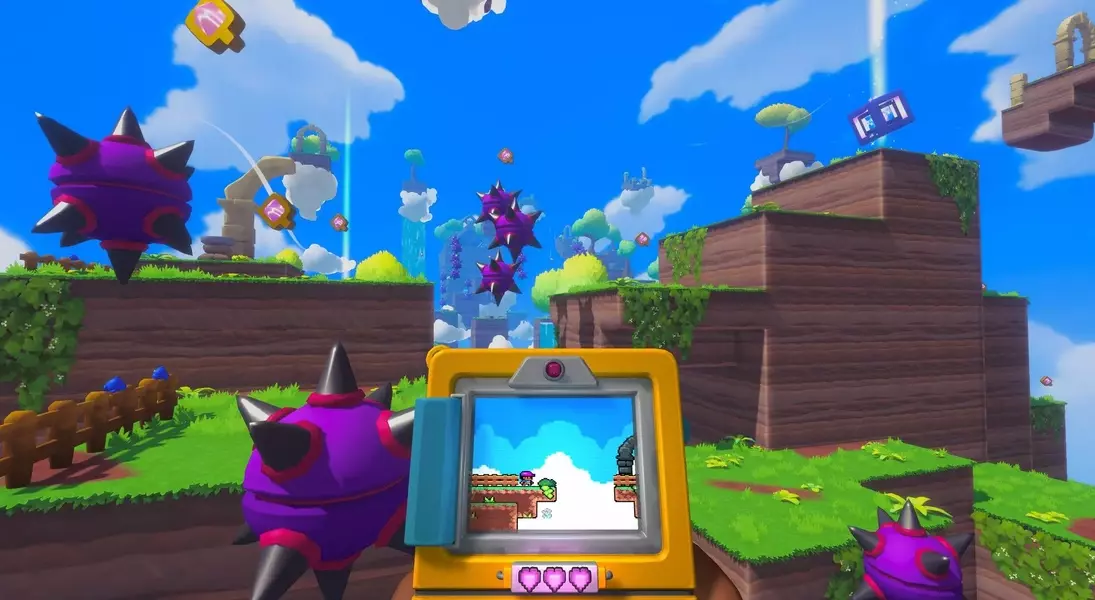
The game's creator, Phil Fish, became an overnight sensation, propelled further into the spotlight by the documentary <em>Indie Game: The Movie</em>, which chronicled <em>Fez</em>'s development alongside other iconic indie titles. Following its critical acclaim, the announcement of <em>Fez 2</em> in June 2013 sparked immense excitement. However, just a month later, Fish made the unexpected and controversial decision to cancel the sequel, citing overwhelming pressure and public scrutiny. This abrupt termination, though initially disappointing, inadvertently cemented <em>Fez</em>'s unique position in gaming history. Rather than a direct successor, <em>Fez</em>'s pioneering spirit manifested through a myriad of subsequent games that adopted and evolved its core mechanics. Titles like <em>Antichamber</em> with its impossible illusions, <em>The Pedestrian</em> transforming road signs into platforming challenges, and <em>Viewfinder</em> allowing players to manipulate photos into dynamic 3D spaces, all bear the unmistakable imprint of <em>Fez</em>'s innovative approach. Even upcoming games like <em>Screenbound</em> continue to push these boundaries, integrating 2D and 3D gameplay simultaneously. <em>Fez</em> proved that true influence transcends mere sequels, embedding its foundational ideas into the very language of game design, making perspective-shifting as fundamental to the medium as jumping.
Reflecting on <em>Fez</em>'s trajectory, one can't help but ponder the nature of creative impact. The game's narrative, from its innovative inception to the dramatic cancellation of its sequel, underscores a crucial lesson: innovation doesn't always necessitate continuity in its most direct form. Instead, true genius often seeds new ideas that blossom independently in the hands of others. <em>Fez</em>'s enduring legacy serves as a powerful reminder that an artist's greatest contribution might be to ignite a spark that sets off a chain reaction of creativity, forever altering the landscape of their craft, even without a direct sequel to carry the torch.
