

In the landscape of superhero cinema, the 2009 film Push carves out a distinctive niche, offering a richly imagined world of psychics and shadowy government agencies. Though it arrived at the cusp of the Marvel Cinematic Universe's explosion, it presented an intricate mythology that felt expansive, despite ultimately remaining a singular cinematic experience. This film, with its compelling narrative and impressive cast, offers a refreshing take on superhuman abilities, distinguishing itself from its more mainstream counterparts and providing a satisfying adventure for those seeking depth beyond the sprawling multi-verse.
The Enigmatic World of Push: A Detailed Exploration
The cinematic journey begins with an immediate immersion into a clandestine world where individuals possess extraordinary mental capabilities. Chris Evans embodies Nick Grant, a telekinetic whose powers are frustratingly inconsistent. His life in Hong Kong is a precarious dance, constantly evading the ominous organization known as Division, responsible for his father's demise and the exploitation of psychics. This solitary existence is dramatically altered by the unexpected arrival of Cassie Holmes, a precocious thirteen-year-old precognitive portrayed by Dakota Fanning. Together, they embark on a high-stakes quest to secure a substantial fortune, navigating a complex web of psychic rivalries and government surveillance.
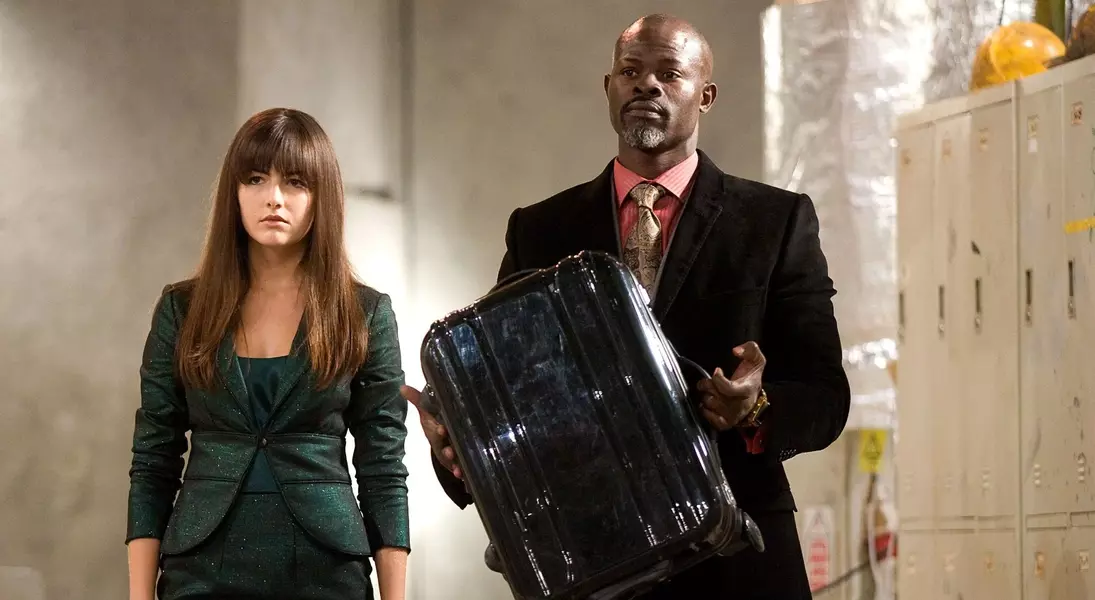
The film meticulously categorizes these abilities: Movers manipulate objects with their minds, Watchers foresee future events, Pushers exert mind control, and Bleeders possess destructive vocal powers. This intricate system is vital to the plot, as various Watchers engage in a strategic battle of wits, each attempting to orchestrate outcomes while predicting their adversaries' moves. A particularly memorable sequence showcases Cassie's mother, Elizabeth (Sarah Frank), deftly manipulating events to facilitate the escape of Kira (Camilla Belle), a powerful Pusher, from Division's clutches. The action sequences are visually dynamic, especially those involving Bleeders, which unleash torrents of shattered glass, and Movers, whose enhanced punches and psychic shields are rendered with vibrant, rainbow-hued effects. The manifestation of Pushing, where soldiers move in unnerving synchronicity to protect their telepathic master, adds another layer of visual intrigue.
Beyond the central duo, the supporting cast shines. Maggie Siff portrays a chilling Stitch, a healer who inflicts immense pain, while Djimon Hounsou imbues Division agent Henry Carver with an imposing presence, always seemingly in control and obsessed with efficiency. Ming-Na Wen and Corey Daniel Stoll round out the ensemble as contrasting Sniffers, individuals with an uncanny ability to track others. Many of these actors would later find significant roles within the MCU, underscoring the film's unexpected role as a springboard for talent. Push’s narrative also explores an underground network of psychics in Hong Kong, and the intricate system of power classification allows for clever countermeasures, such as Shadows who can negate other abilities, used to protect Kira from relentless Sniffers. This intricate world-building evokes comparisons to the hidden magical societies found in works like Brandon Sanderson's Mistborn series, highlighting the film's thoughtful approach to its fantastical elements.
Though its dense mythology may have been challenging for audiences at the time, contemporary viewers, accustomed to the intricate narratives of modern superhero franchises, will find Push's world-building both accessible and rewarding. While the anticipated sequels never materialized, this oversight inadvertently elevates Push into a perfect standalone experience—a swift, engaging adventure for superhero aficionados unwilling to commit to another sprawling, multi-part saga. It remains a testament to creative vision, proving that a single, well-crafted story can leave as lasting an impression as an entire universe.
Push serves as a compelling reminder that the superhero genre extends far beyond the most dominant franchises. Its innovative approach to powers, its engaging storyline, and its strong performances offer a refreshing alternative for viewers who appreciate nuanced character development and intricate world-building within a single, self-contained narrative. This film inspires us to look beyond the blockbuster giants and discover the many hidden gems that contribute to the rich tapestry of cinematic storytelling, proving that a single, well-executed vision can resonate deeply and leave a lasting impact, even without the promise of sequels.
