In the vibrant landscape of 1980s independent comics, amidst the rise of anthropomorphic animal characters, a hidden gem emerged: "Space Ark." This five-issue series, crafted by the creative duo Ken Mitchroney and Mark Cantell, boldly ventured where mainstream superhero narratives dared not tread, offering a unique and delightfully humorous parody of classic sci-fi sagas like Star Wars and Star Trek. It stood out with its unapologetically silly, Looney Tunes-inspired brand of comedy, featuring a cast of eccentric animal characters navigating the cosmos. Despite its brief run from 1985 to 1988, and a solitary eight-page crossover in 1990, "Space Ark" captivated a dedicated readership, leaving a lasting impression with its distinctive artistic style and a narrative steeped in whimsical adventure. Today, as whispers of a potential revival surface, the enduring appeal of this niche comic series underscores a longing for its refreshing and lighthearted approach to storytelling in a world often saturated with more serious themes.
The Cosmic Misadventures of the Fur-Bearing Alliance
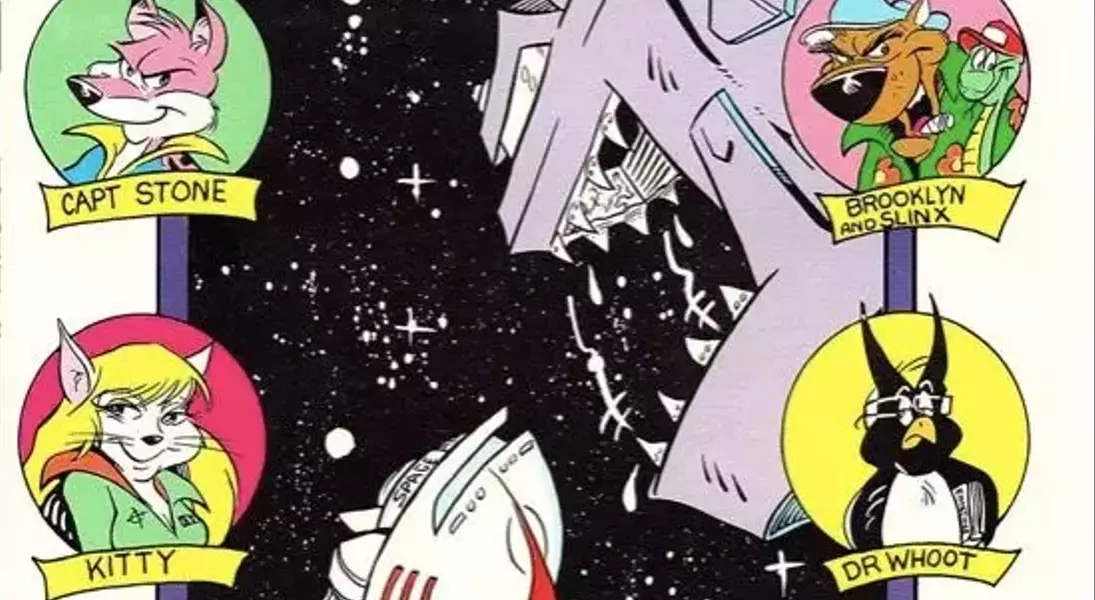
In the whimsical universe of "Space Ark," we are introduced to the titular vessel, a spaceship helmed by the motley crew of the Fur-Bearing Alliance, affectionately known as "FURBALL." This intergalactic police force, primarily composed of mammals, embarks on a series of outlandish adventures under the command of the conceited fox Captain Stone. His crew includes the pompous owl Dr. Whoot, serving as the science officer; Barker, a dog whose navigational duties are often overshadowed by his culinary obsessions; Brooklyn, the cigar-chomping, gambling engineer, assisted by his snake sidekick Slinx; and Kitty, the competent first mate who often brings a semblance of order to the chaotic ensemble. Rounding out the crew is Boltz, a silent, all-purpose droid tasked with various menial duties, though often performing them with amusing ineptitude. Their escapades include a clash with the repulsive Bucoids, a race of slimy aliens in the inaugural issue; Captain Stone's romantic pursuits with a contingent of female space cats in the second; Brooklyn's disastrous gambling spree at a cosmic horse track in the third; the dramatic replacement of Boltz by a malevolent robot in the fourth; and a grand finale in the fifth issue, plunging the Space Ark into a sprawling galactic conflict.
This hidden treasure from the golden age of independent comics continues to resonate with those who appreciate its distinctive blend of independent artistry and animated whimsy. Its unique take on classic sci-fi tropes, infused with a vibrant, slapstick humor, serves as a delightful reminder of a time when comic creators pushed the boundaries of conventional storytelling. The prospect of a "Space Ark" resurgence ignites excitement, promising to reintroduce its unique brand of comedic brilliance to a new generation, proving that genuine humor and creativity, no matter how niche, can indeed stand the test of time.
