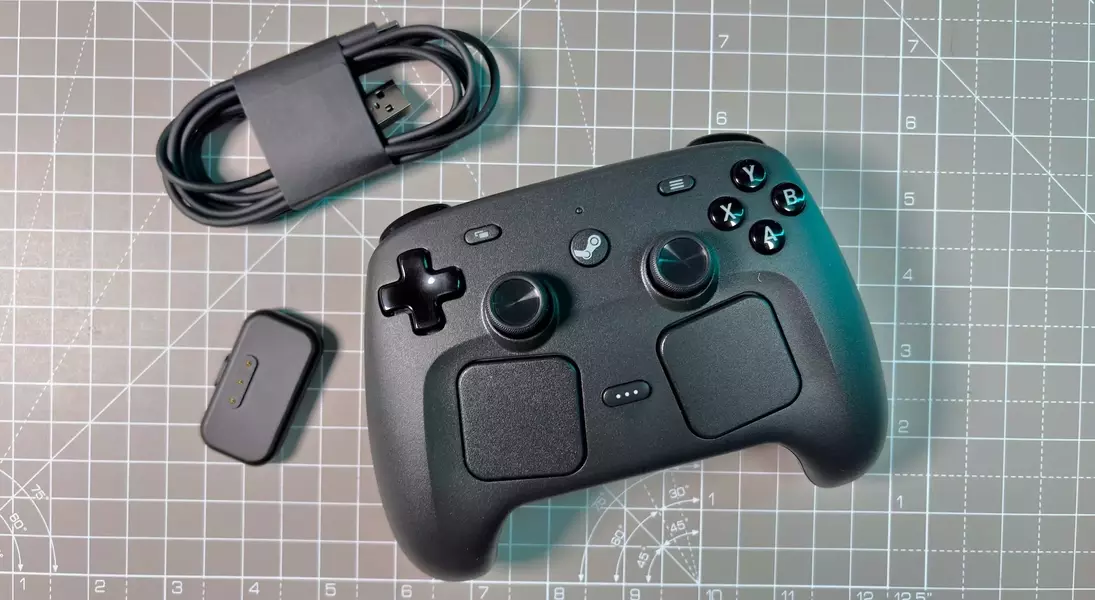
Valve's new Steam Controller has experienced an unexpected surge in demand, selling out almost immediately upon its release. This rapid depletion of stock has surprised even Valve itself, which is now scrambling to ramp up production to satisfy eager customers and mitigate the impact of resellers.
Previously, Valve representatives, including Lawrence Yang and Steve Cardinali, expressed confidence in their supply capabilities for the controller, basing their projections on anticipated demand. However, the real-world enthusiasm for the device vastly exceeded these forecasts, leading to a swift sell-out within minutes of launch. This situation highlights the inherent challenge in accurately predicting consumer interest for new hardware, especially in the competitive gaming peripheral market. The company is now actively seeking to increase manufacturing output and has assured buyers that a revised availability timeline will be announced soon. This move is crucial not only to meet demand but also to counteract the burgeoning secondary market where scalpers are listing the controllers at significantly inflated prices, sometimes more than double the retail cost.
Unexpected Demand and Supply Chain Adjustments
The recently launched Steam Controller experienced an unprecedented demand, leading to its rapid sell-out shortly after becoming available for purchase. Valve, the creator of the innovative gaming peripheral, has acknowledged that the sales volume surpassed their initial projections. This unexpected level of interest quickly exhausted the available inventory, causing frustration among consumers who were unable to secure a unit. In response to this overwhelming reception, Valve has promptly announced its commitment to replenishing stock and is actively working on accelerating production schedules. The company aims to provide a clear timeline for when more controllers will be accessible to the public, demonstrating their dedication to meeting consumer needs.
Prior to the launch, Valve’s development team, including key personnel Lawrence Yang and Steve Cardinali, had expressed optimism regarding the controller's supply. They had built up what they believed to be a robust inventory based on their demand forecasts. However, the actual market response significantly outstripped these estimates. Cardinali had previously stated that while production had finite limits, the company had mechanisms in place to scale up if demand substantially exceeded expectations. Yang further elaborated that Valve possessed the flexibility to adjust production 'knobs' to expedite delivery. This unforeseen rush underscores the dynamic nature of hardware launches, where even meticulous planning can be challenged by enthusiastic consumer adoption. The current focus remains on leveraging these internal mechanisms to increase manufacturing capacity and ensure a more stable supply in the near future.
Combating Reselling and Future Stock Management
The swift sell-out of the Steam Controller has regrettably created a fertile ground for scalpers, who have begun listing the devices on online marketplaces at exorbitant prices, sometimes marking them up by as much as 200%. This practice not only deprives genuine enthusiasts of fair access but also tarnishes the initial excitement surrounding the product. While early indications suggest that these overpriced listings might be declining, possibly due to community reporting or strategic cancellations, the emergence of a secondary market for a newly released product remains a significant concern for both consumers and Valve. The company’s efforts to increase supply are therefore critical in undermining these speculative practices and ensuring that the controller is available at its intended retail price.
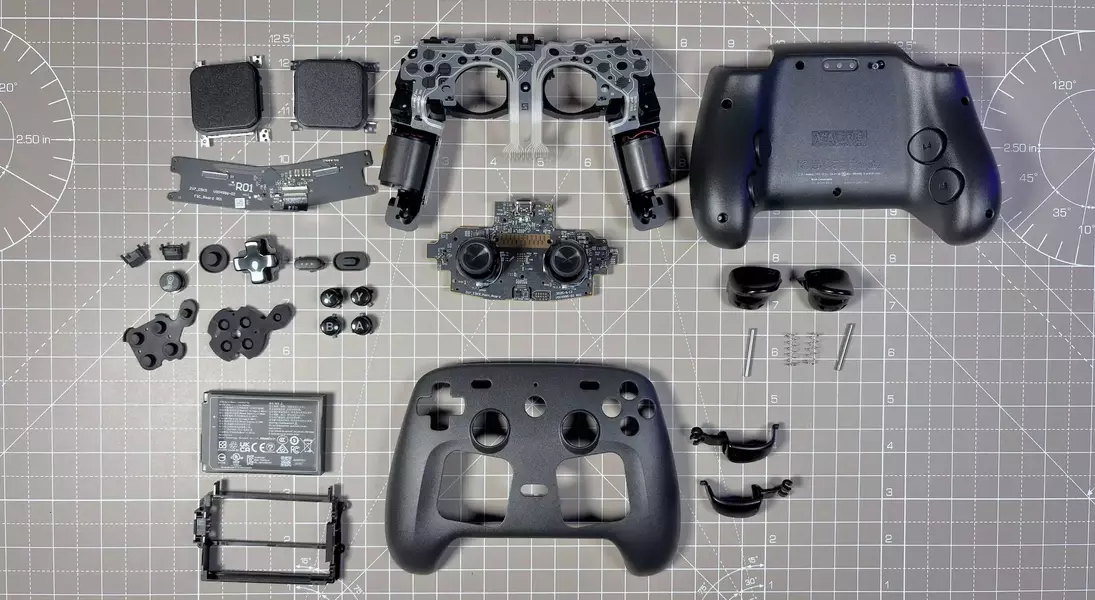
In addressing future stock management, Valve faces a delicate balancing act. The challenge lies in accurately gauging long-term demand to avoid either a chronic shortage or an overproduction that could lead to excess inventory, a situation that impacted the original Steam Controller. Unlike its predecessor, the new controller's internal components, such as its simple sensor array, PCBs, and SoCs, do not present significant supply chain risks. This structural simplicity should theoretically allow for a more agile increase in production. Yang's hopeful statement about building in enough 'wiggle room' suggests an ongoing strategy to prevent prolonged out-of-stock periods, drawing lessons from past experiences with devices like the Steam Deck, which also faced initial supply constraints. The goal is to establish a consistent flow of controllers that meets sustained demand without leading to either scarcity or surplus.
