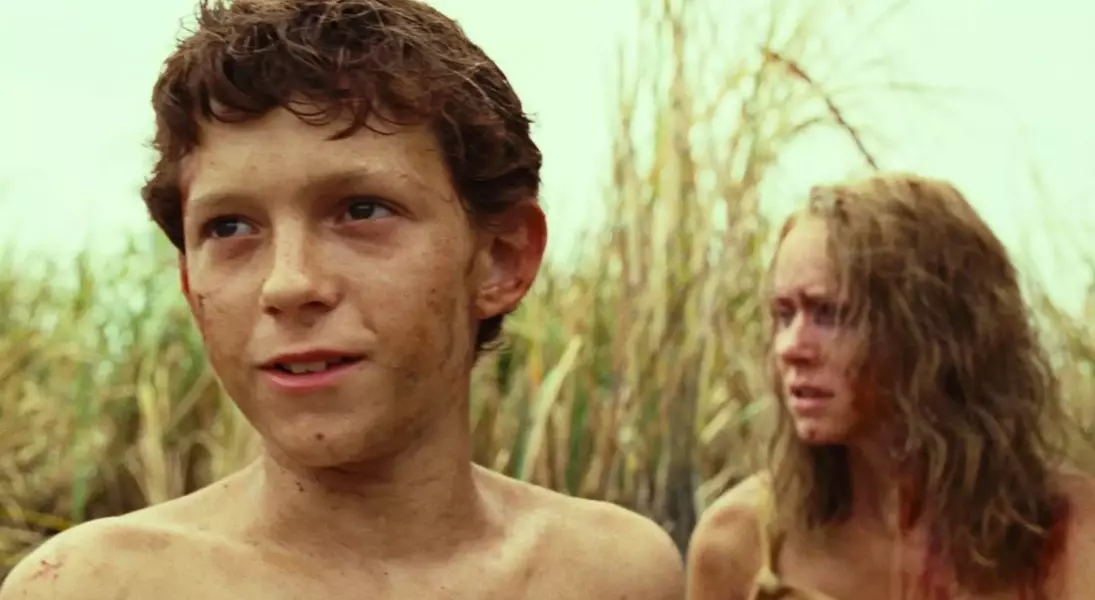

Disaster cinema, a genre often perceived as focusing on destruction and despair, frequently provides a profound exploration of the human spirit. While some may view the allure of these narratives as morbid, films like J. A. Bayona's 2012 drama, 'The Impossible', starring a young Tom Holland, challenge this notion by emphasizing themes of affection, solidarity, and social bonds. This movie, which is currently accessible on streaming platforms like Tubi, transcends mere spectacle, offering a compelling narrative of endurance and the unyielding strength of family ties amidst catastrophic events.
The narrative of 'The Impossible' is rooted in the actual experiences of María Belón, a Spanish medical professional and inspirational speaker. Her family’s ordeal during the devastating 2004 Indian Ocean earthquake and tsunami, while vacationing in Thailand, forms the core of the film. Belón herself collaborated with Bayona, lending her insights to ensure the factual accuracy of the portrayal. The film's ensemble cast, featuring acclaimed actors such as Naomi Watts as the protagonist (renamed Dr. Maria Bennett), Ewan McGregor as Henry, and Tom Holland as Lucas, delivers a deeply affecting experience almost immediately.
Within the initial twenty minutes of its 113-minute duration, the film plunges viewers into the cataclysmic events. A colossal tsunami engulfs the coastal resort, inflicting severe injuries upon Maria and fragmenting the family, leaving young Lucas to care for his gravely wounded mother, while his younger brothers remain with their father, Henry. This harrowing separation and the subsequent struggle for survival underscore the film’s emotional depth.
Even at a tender age, Tom Holland’s portrayal of Lucas is remarkably mature and impactful. Despite being only 14 during the film's production, Holland imbues his character with a gravitas that rivals the performances of seasoned actors like Watts and McGregor. His interactions with Watts, particularly as Lucas is compelled to assume responsibility for his mother’s well-being amidst constant peril, are particularly poignant. The dialogue he delivers, often beyond his years, effectively illustrates the profound and rapid maturation forced upon him by the tsunami, as his mother desperately requires immediate medical attention.
Beyond the exceptional acting, 'The Impossible' is a significant achievement in Spanish filmmaking. Its impressive opening weekend gross of $11 million, and its enduring status as one of Spain's highest-earning films even decades later, attest to its widespread appeal and critical acclaim. The film successfully integrates multiple survivor stories, yet Bayona’s direction avoids exploitation or sensationalism. Instead, 'The Impossible' masterfully captures the essence of the disaster genre's enduring popularity: it serves as a profound examination of the human condition and how interpersonal relationships are tested and redefined in the crucible of adversity.
Ultimately, 'The Impossible' is more than just a recounting of a natural catastrophe; it’s a testament to the resilience of the human spirit and the extraordinary power of familial bonds. It illuminates how individuals, when confronted with unimaginable horror, can discover inner strength and a profound capacity for love and mutual support. The film vividly illustrates that even in the face of overwhelming odds, the drive to survive and reconnect with loved ones can transcend all boundaries, leaving audiences with a powerful message of hope and perseverance.
