The world of Magic: The Gathering is currently experiencing a dynamic shift, balancing commercial expansion with the preservation of its foundational identity. This article delves into the ongoing discussion surrounding the 'Universes Beyond' initiative, exploring how the game's creators are responding to player feedback while continuing to innovate.
Reaffirming Core Identity: Magic: The Gathering's Return to High Fantasy
The Evolving Landscape of Magic: The Gathering
Magic: The Gathering has seen a notable divergence in player sentiment regarding its 'Universes Beyond' series. While these cross-IP collaborations have proven to be a financial triumph, a segment of the player community voices dissatisfaction. The primary critique revolves around the thematic incongruity of certain external franchises with Magic's established fantasy universe. Instances like ninja turtles or spider-heroes, they argue, often clash with the game's traditional aesthetic, presenting a jarring contrast to its magical realms.
Successful Crossovers and Player Preferences
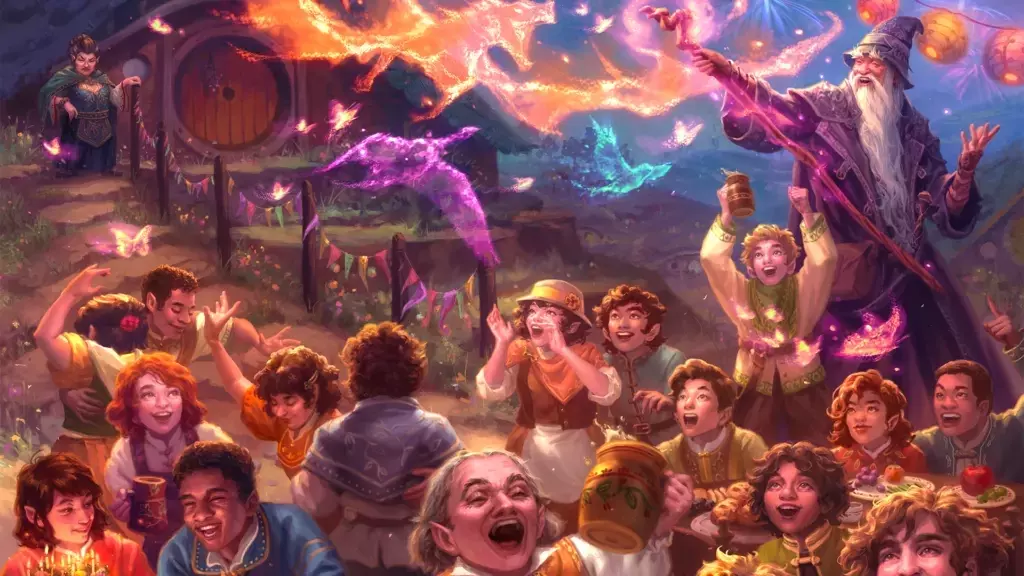
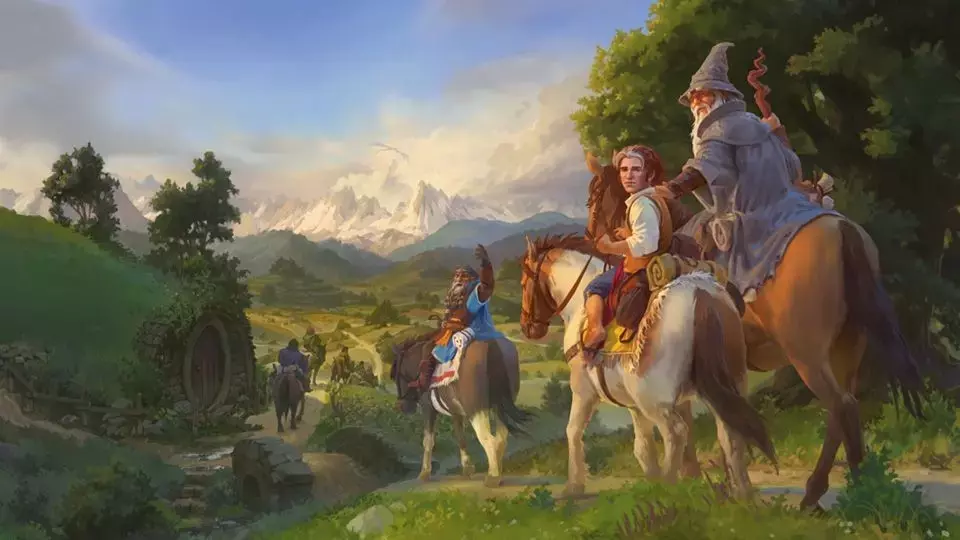
Despite the criticisms, some 'Universes Beyond' integrations have achieved remarkable success and widespread acclaim. Sets inspired by 'The Lord of the Rings: Tales of Middle-earth' and 'Final Fantasy' stand out as two of the most popular expansions in Magic's history. These successes are largely attributed to the strong thematic resonance between these IPs and Magic's fantasy foundation, indicating that when external universes align with the game's core feel, they are met with enthusiastic reception from fans.
The Hobbit's Return to Middle-earth
Building on this positive reception, 'The Hobbit' is slated to rejoin the Magic universe this August. During a Q&A session at MagicCon Amsterdam 2026, principal designer Gavin Verhey highlighted the deep historical connections between Magic and J.R.R. Tolkien's literary works. Verhey emphasized that 'The Lord of the Rings' and 'The Hobbit' are natural fits for Magic, acknowledging that internal testing for 'The Hobbit' specifically revealed a strong player desire for cards to maintain Magic's characteristic art style, a clear indication of developer responsiveness to community preferences.
Fantasy as Magic's Creative Cornerstone
The conversation around 'Universes Beyond' remains vibrant, yet it is reassuring to many fans that Magic's leading designers continue to view the game as fundamentally rooted in fantasy. In a separate interview, head designer Mark Rosewater articulated that high fantasy serves as Magic's "creative center." He employed the metaphor of a pendulum, explaining that while the game explores various themes, its natural resting point and core identity will always be high fantasy. This principle applies not only to the current interplay between 'Universes Beyond' and 'Multiverse' settings but also signals a future rich with more fantasy-themed collaborations.
Strategic Adjustments Based on Community Feedback
Hasbro's CEO, Chris Cocks, reiterated this commitment to fantasy-adjacent partnerships during a recent quarterly earnings call. He noted that upcoming 'Universes Beyond' releases would likely lean more towards fantasy and avoid settings like New York City, directly addressing feedback from fans who prefer settings more aligned with Magic's magical essence. This demonstrates a clear dedication from Hasbro and the Magic development team to their "we listen to the players" philosophy. As future sets are planned far in advance, it will be fascinating to observe how effectively the company adapts its strategy to integrate more high-fantasy elements, ultimately catering to the desires of its dedicated player bas
