In recent weeks, both Sony and Microsoft have been making headlines with significant and sometimes controversial announcements. Sony's latest revelation indicates a substantial change in its strategy: by January 2028, the company plans to cease the sale of physical game discs. This decision also coincides with the termination of support for PlayStation 3 and Vita hardware within its digital storefront. While Sony's official communication on this development does not explicitly detail plans for the PlayStation 6, these announcements offer considerable insight into the company's vision for its upcoming hardware and its approach to the evolving landscape of console gaming's tenth generation. This strategic pivot suggests a future where digital distribution will be the sole focus, impacting everything from console design to consumer purchasing habits.
This shift to an all-digital model not only eliminates the need for disc drives in future consoles, but also fundamentally reshapes the economics of game sales. By removing physical retailers and the secondary market, Sony gains greater control over pricing and profit margins, potentially leading to higher game costs for consumers and fewer opportunities for discounts. This strategic move aims to maximize revenue in an increasingly digital world, but it also raises concerns among players about affordability, game ownership, and access, particularly for those with unreliable internet access or in regions with limited digital infrastructure. The transition reflects a broader industry trend but comes with its own set of challenges and implications for the PlayStation community.
The Digital Horizon: PS6 and Beyond
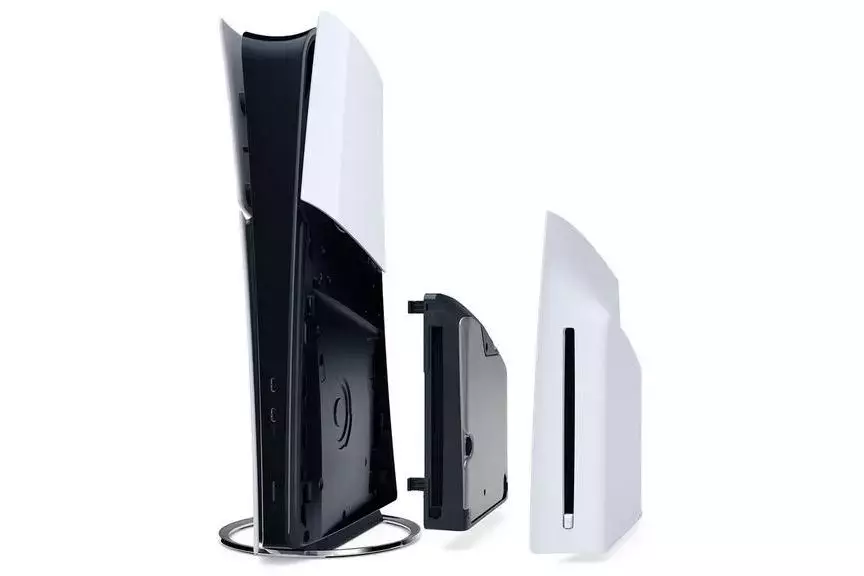
Sony's decision to discontinue physical game discs by 2028 strongly suggests that the PlayStation 6 will debut without a disc drive. This move aligns with a broader industry trend towards digital distribution and offers a clearer timeline for the next console's release. With physical media phased out, Sony is likely aiming for a streamlined, digital-centric experience for its next-generation hardware, potentially launching the PS6 sometime in or after 2028. This transition would not only simplify hardware design but also allow Sony to exert more control over its game ecosystem.
The speculated launch of the PS6 after 2028 marks a significant departure from previous console cycles, as Sony appears to be carefully timing its hardware refresh with the complete cessation of physical game distribution. This implies that any new console introduced around this period would inherently be designed for a digital-only environment, discarding the need for an optical drive. Such a move simplifies manufacturing, potentially reduces costs, and aligns with current consumer trends where digital game purchases increasingly dominate. This forward-looking strategy suggests that Sony is preparing to fully embrace a future where physical media is no longer part of its core business model, paving the way for innovations in console design and distribution.
Economic Impacts and Consumer Concerns
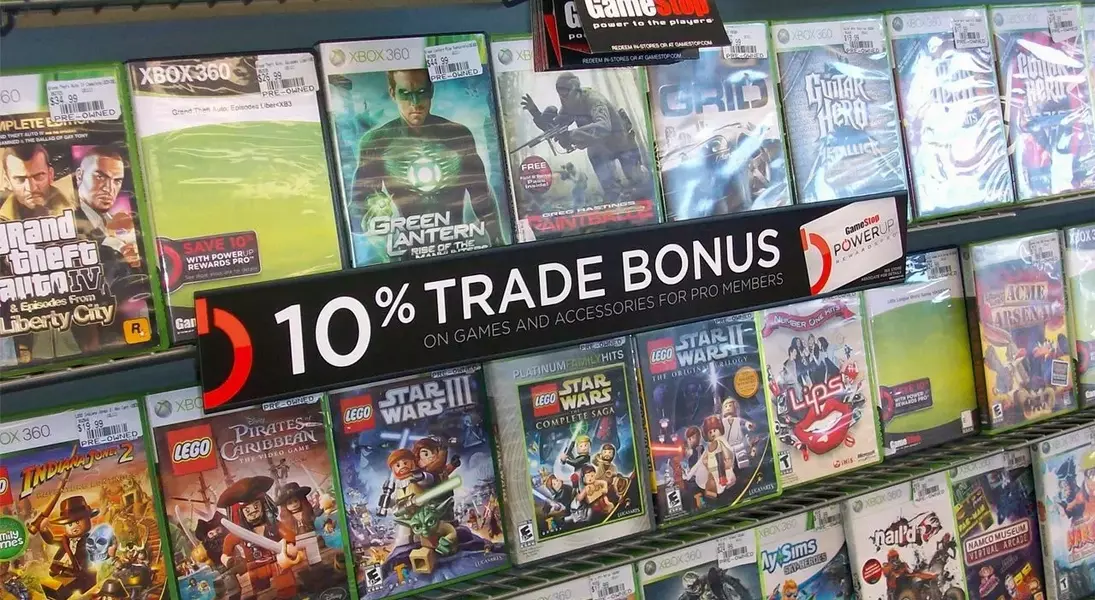
The move to an entirely digital distribution model is a strategic play by Sony to enhance its profitability, particularly given the rising costs of hardware components like RAM. By eliminating physical game sales, Sony bypasses retailers and the secondary market, allowing the company to retain a larger share of revenue from each game sold. While this benefits Sony by increasing profit margins, it significantly reduces price flexibility for consumers, who will no longer have access to discounted physical copies or the option to resell games.
The financial implications of this digital-only shift for consumers are substantial. Without a physical market, the ability to find discounted games, trade them in, or purchase used copies will effectively disappear. This lack of competition could lead to persistently high prices for digital titles, as Sony would no longer need to match promotional sales from big-box retailers. While Sony frames this as adapting to "consumer trends," the ultimate beneficiary is the company itself, gaining increased control over the gaming market and its revenue streams, potentially at the expense of player affordability and choice, particularly for those who value the flexibility and cost savings offered by physical media.
