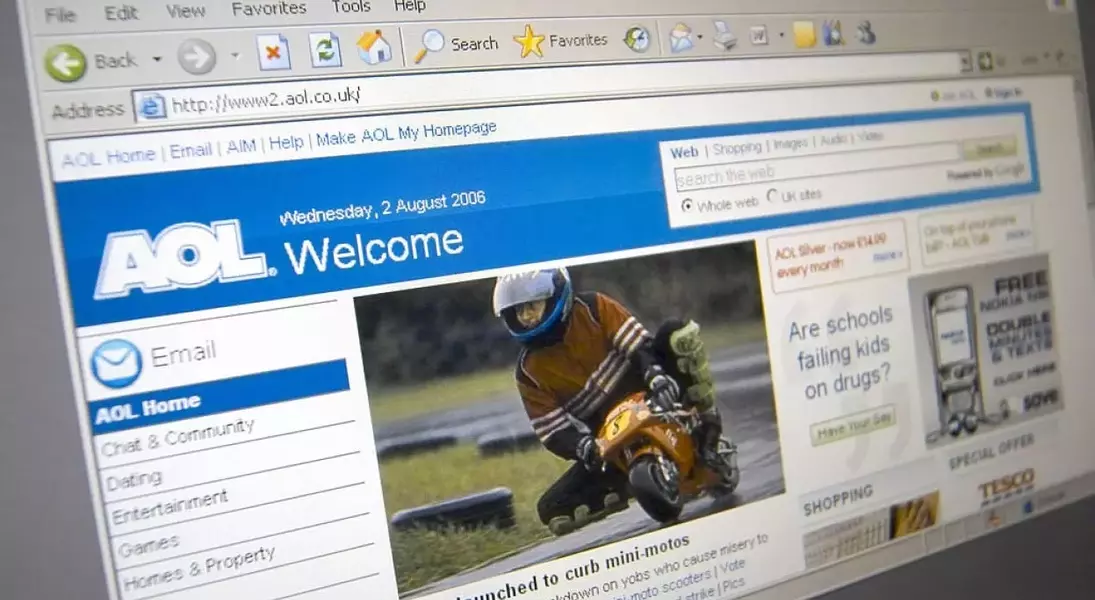
A significant chapter in internet history is drawing to a close as AOL prepares to cease its venerable dial-up service, a cornerstone of early online connectivity for over three decades. This marks the culmination of a technological evolution, signaling the complete shift from the once-ubiquitous, slow-but-steady modem connections to the lightning-fast broadband networks of today. Examining the journey of AOL dial-up reveals not only its declining relevance but also the surprising persistence of this older technology in certain niches, shedding light on the varied costs and experiences users encountered.
AOL recently announced the formal termination of its dial-up internet offering, effective September 30th, after a remarkable 34-year run. For many, this news evokes a sense of nostalgia for the distinctive symphony of beeps, squawks, and static that characterized connecting to the web in the 1990s and early 2000s. The service, which provided a mere 0.056 megabits per second, stands in stark contrast to contemporary internet speeds, which routinely exceed 500 Mbps, underscoring the immense progress in digital infrastructure.
Exploring the historical pricing of AOL's dial-up reveals an interesting trajectory. While current information regarding sign-up procedures for AOL dial-up is scarce, with the necessary software primarily supporting older Windows operating systems, the cost structure has varied over time. Initially, the AOL Advantage Plan, which facilitated dial-up access, could be found listed at approximately $9.99 per month by some internet comparison platforms. However, historical data from 2006 indicates a period where the monthly fee surged to $25.90, an increase seemingly aimed at nudging customers towards their then-equivalent-priced DSL broadband options.
Despite the prevailing dominance of high-speed internet, a notable segment of the population, particularly in rural parts of the United States, continued to rely on dial-up services. According to 2022 U.S. Census figures, around 175,000 households still utilized dial-up, often due to geographical limitations, the high expense of modern internet subscriptions, or the absence of robust broadband infrastructure. This highlights a persistent digital divide, where older, slower technologies remain the most practical or only available option for some.
While AOL's direct dial-up service is fading into history, the underlying technology persists through other providers. Companies like NetZero and Earthlink continue to offer dial-up internet plans, catering to those in connectivity-challenged areas. NetZero provides a limited number of free hours monthly before transitioning to a paid model, while Earthlink offers an introductory rate that increases after a few months. Although these services are significantly slower than fiber optic plans, which can range from $50 to $250 monthly, their lower cost makes them a compelling, albeit less convenient, alternative for some users. The trade-off, however, is invariably a significantly slower browsing experience.
The phasing out of AOL's dial-up service marks a symbolic farewell to an era of internet access that, while rudimentary by today's standards, laid the groundwork for the digitally interconnected world we now inhabit. It serves as a reminder of the rapid advancements in telecommunications and the evolving landscape of internet accessibility, even as pockets of reliance on legacy systems endure.
