

Electric vehicle batteries, in a manner akin to human preference, thrive within a temperate zone, ideally between 65 and 75 degrees Fahrenheit. Outside this comfortable range, particularly in colder or hotter conditions, the efficiency of the battery diminishes. This reduced efficiency is compounded by the additional energy required to maintain a comfortable cabin temperature for occupants, leading to a noticeable decrease in the vehicle's overall travel distance and operational effectiveness.
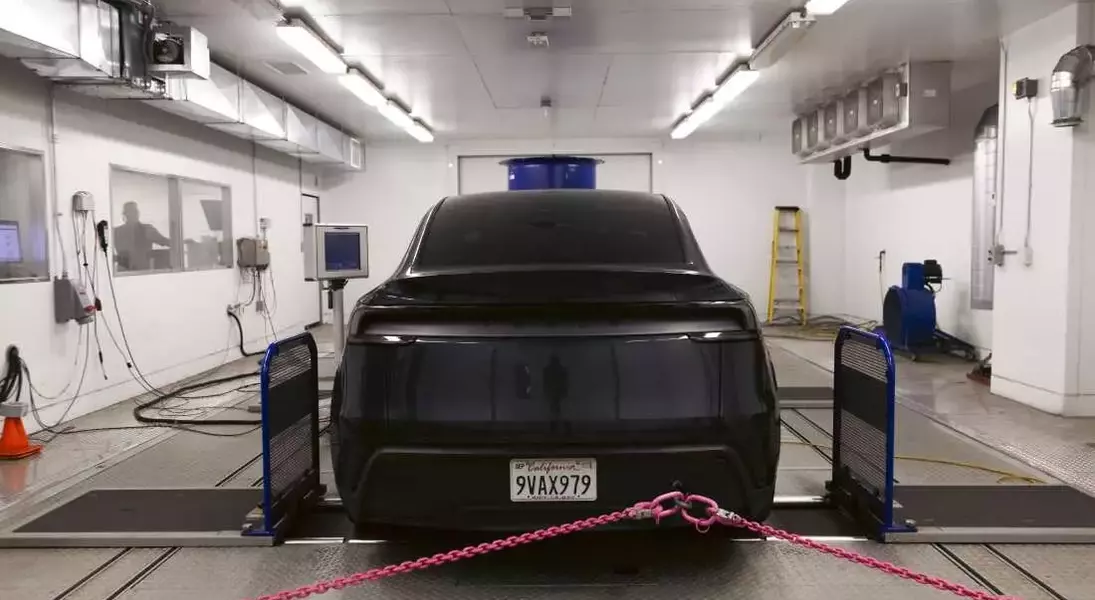
A recent comprehensive investigation conducted by AAA, and shared exclusively with a prominent news outlet, meticulously assessed the influence of temperature fluctuations on contemporary EV power sources. The findings indicate that elevated temperatures resulted in an average reduction of 8.5% in driving range. More dramatically, frigid conditions were found to cut vehicle range by a significant 39%. A similar study by AAA in 2019, though utilizing a different set of vehicles, reported comparable losses in cold weather and a higher impact (17%) in hot weather, suggesting some progress in EVs' resilience to heat but persistent challenges in cold environments. Despite technological advancements in battery chemistry, vehicle design, and software, the performance of electric vehicles in winter conditions has seen little improvement since 2019, according to Greg Brannon, director of automotive engineering at AAA.
These outcomes underscore the necessity for drivers to anticipate a diminished real-world range during winter, and to a lesser extent, during peak summer. Electric vehicles can still be a practical choice in diverse climates, provided drivers account for predictable range limitations. Planning ahead is crucial, especially for those without home charging or embarking on extended journeys. Pre-conditioning the vehicle while it's still plugged in can conserve battery power for driving, as can prioritizing heated or ventilated seats over the full HVAC system, which consumes substantial energy. Maintaining proper tire inflation and driving at moderate speeds further enhances efficiency for any vehicle, regardless of its power source or the prevailing weather conditions.
The findings from the AAA study emphasize that while electric vehicles offer a promising future for sustainable transportation, understanding and adapting to their operational characteristics in varying environmental conditions are key to maximizing their potential and ensuring a positive driving experience. Continued innovation in battery technology and thermal management systems will further enhance EV performance and adoption across all climates.
