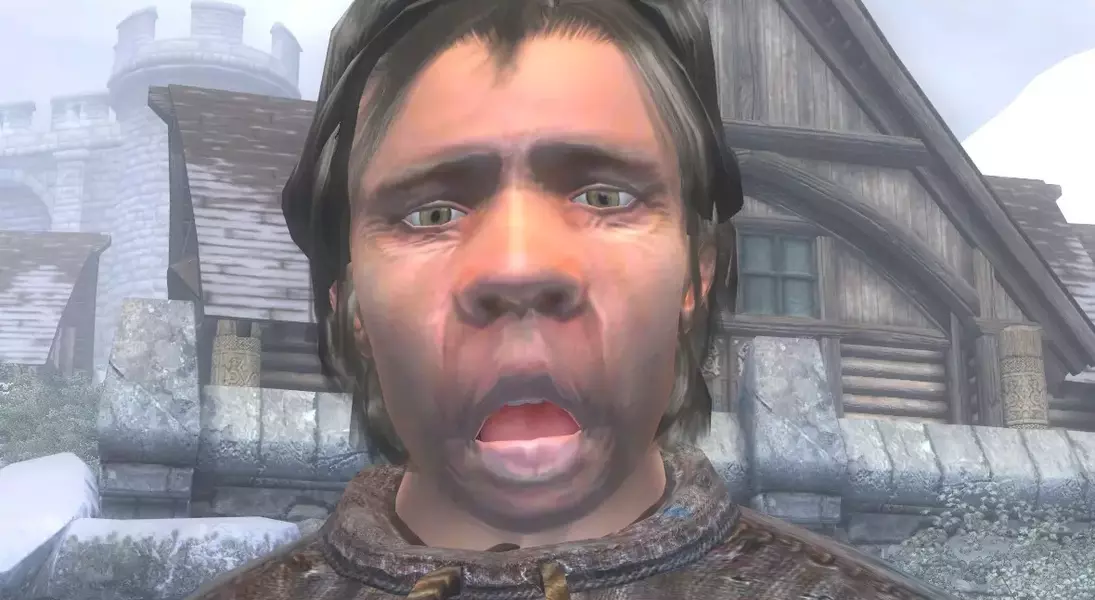
The mobile iteration of The Elder Scrolls, known as Blades, is set to cease operations on June 30th after an eight-year run. Despite initial enthusiasm for its unique combination of dungeon exploration, city management, roguelike elements, and player-versus-player combat, the title encountered difficulties in maintaining a dedicated player base. This closure follows the discontinuation of another Elder Scrolls title, the digital card game Legends, which was retired in January 2025 after five years without updates. While Legends has inspired community efforts for revival, it remains to be seen if Blades will generate similar passion among its players. The game's longevity, particularly for a cross-platform online title, is notable, even as its conclusion arrives without a permanent offline preservation option.
Leading up to its shutdown, all in-game items for Blades are being offered at a minimal cost, and players will receive a complimentary bundle of gems and sigils, encouraging them to experience the game's full offerings before its final curtain call. This gesture reflects a common practice among games nearing end-of-life, aiming to provide a positive farewell experience for its community. The lack of a long-term preservation solution, such as an offline-only version, highlights a recurring challenge in the digital gaming landscape, where online-dependent titles can effectively vanish once server support ends. This contrasts with older, less reliant games like An Elder Scrolls Legend: Battlespire, which remain accessible to enthusiasts.
The Sunset of a Mobile Elder Scrolls Adventure
The Elder Scrolls: Blades, a mobile spinoff that promised a rich blend of dungeon crawling, town-building, roguelike mechanics, and PvP modes, is preparing for its final curtain call on June 30th. This announcement marks the end of an eight-year journey for the game, which, despite initial excitement, faced challenges in establishing a sustained presence in the competitive mobile gaming market. Many fans, initially drawn by the prospect of a new Elder Scrolls experience, found the gameplay and pervasive in-app purchase model to be underwhelming. The game’s closure is a notable event for the Elder Scrolls franchise, reflecting the inherent risks and rapid evolution within the mobile gaming sector, where even established franchises can struggle to maintain long-term engagement without constant innovation and adaptation.
Prior to its definitive shutdown, all items within The Elder Scrolls: Blades' in-game store are being made available for a single unit of currency, coupled with a free distribution of gems and sigils to players. This initiative is designed to allow the existing player base to fully explore and enjoy the game's content before its permanent discontinuation. The decision to conclude Blades' operations echoes the earlier shutdown of The Elder Scrolls: Legends, a digital card game that ceased service in early 2025. While some communities have attempted to revive Legends, it is uncertain whether Blades will inspire a similar level of dedicated fan preservation. The absence of an offline version for Blades, a common fate for online-only titles, means that once the servers are offline, the game will no longer be accessible, posing questions about the long-term archival of digital gaming experiences compared to traditional, playable offline titles.
Reflecting on Blades' Legacy and the Future of Mobile Gaming
The impending shutdown of The Elder Scrolls: Blades on June 30th brings to light the fluctuating fortunes of mobile gaming within established franchises. Launched with ambitious goals of combining dungeon exploration, town development, roguelike elements, and competitive multiplayer, Blades initially captured attention but ultimately struggled to resonate with a broad audience over its eight-year lifespan. This closure follows a pattern seen with other digital ventures from Bethesda, including The Elder Scrolls: Legends, underscoring the difficulties in translating traditional gaming experiences to the mobile platform while balancing monetization and player satisfaction. The relatively long operational period for Blades, especially for a cross-platform online game, offers a testament to its initial appeal and the dedicated community it managed to cultivate, even if its ultimate fate was discontinuation.
As Blades enters its final phase, players are being offered all in-game store items at a drastically reduced price, along with complimentary in-game currency, to ensure they can experience all the game has to offer before its servers go offline. This move, common in end-of-life game cycles, aims to soften the blow of closure and provide a satisfying conclusion for loyal players. The recurring theme of digital games, particularly online-dependent ones, disappearing completely upon shutdown raises critical discussions about game preservation. Unlike titles from earlier eras, such as An Elder Scrolls Legend: Battlespire, which remain playable, Blades' online-only nature means its history will largely be confined to memories and media capture. This scenario prompts reflection on how the gaming industry can better ensure the longevity and accessibility of its digital creations for future generations of players and historians.
