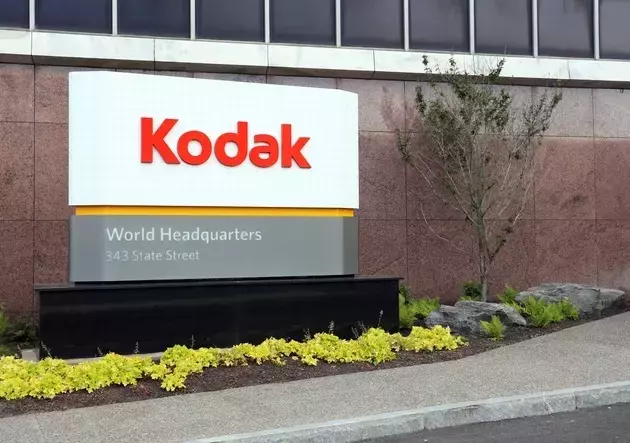
Eastman Kodak, a company often associated with past glory, continues its journey as a speculative turnaround story. Recent financial reports reveal a mixed bag of results, with some positive indicators alongside lingering concerns that prevent a fully bullish outlook. While there have been encouraging signs of operational improvement, the underlying financial health still requires significant strengthening to secure long-term stability and growth. The market's reaction suggests a cautious optimism, acknowledging the progress while remaining wary of the challenges that lie ahead for this iconic brand.
The path forward for Eastman Kodak involves several critical areas. Sustained profitability is paramount, requiring consistent revenue growth and disciplined cost management. Furthermore, optimizing asset utilization is crucial to unlock greater value from the company's existing resources. Finally, clarity regarding the proceeds from the Kodak Retirement Income Plan (KRIP) will provide much-needed transparency and potentially bolster the company's financial position. These factors collectively will determine the extent of Kodak's recovery and its ability to re-establish itself as a viable, profitable entity in the modern market.
Mixed Financial Signals and Cautious Outlook
Eastman Kodak's recent financial performance presents a complex picture for investors. On one hand, the company reported revenue growth in the first quarter of 2026, accompanied by an expansion in profit margins and a positive operational EBITDA. These metrics suggest that operational strategies are beginning to yield results, indicating a healthier core business activity. The improvement in EBITDA is particularly noteworthy as it reflects enhanced operational efficiency and potentially stronger underlying business fundamentals. This progress provides a degree of reassurance that Kodak is moving in the right direction, albeit with qualifications.
However, despite these positive operational trends, the company's GAAP net loss actually widened during the same period. This deepening loss signals that underlying financial risks persist, and the company has yet to achieve overall profitability. Factors such as non-operating expenses, debt servicing costs, or other extraordinary items might be contributing to this net loss. For investors, this mixed performance implies that while the operational engine might be improving, the overall financial vehicle is still in need of significant repair. The continued GAAP net loss underscores the speculative nature of KODK, suggesting that while there's potential, there are still considerable hurdles to overcome before it can be considered a stable investment.
The Road Ahead: Profitability, Asset Utilization, and Valuation Discipline
Looking to the future, Eastman Kodak's success will depend heavily on its ability to achieve sustained profitability, optimize asset utilization, and provide clarity on specific financial proceeds. The current situation necessitates a continued focus on improving the bottom line beyond just operational metrics. This involves not only driving revenue and managing costs but also addressing any structural financial issues that contribute to the net loss. Demonstrating consistent profitability over several quarters will be a key indicator for investors seeking evidence of a genuine turnaround, signaling that the company can reliably generate earnings and build shareholder value.
Furthermore, maximizing the value derived from its asset base, including both tangible and intangible assets, is crucial for Kodak. Efficient asset utilization can enhance productivity, reduce waste, and ultimately improve overall financial performance. The transparency and effective deployment of funds from sources like the Kodak Retirement Income Plan (KRIP) are also vital. Clear communication about these proceeds and their strategic allocation can bolster investor confidence and provide a clearer path to financial stability. While my price target has been adjusted upwards to $7 per share, reflecting a more optimistic view of its improved EBITDA and cash position, a Hold rating is maintained. This reflects a continued call for patience and strict valuation discipline, emphasizing that additional tangible proof of operational and financial solidity is required before a more bullish stance can be justified.
