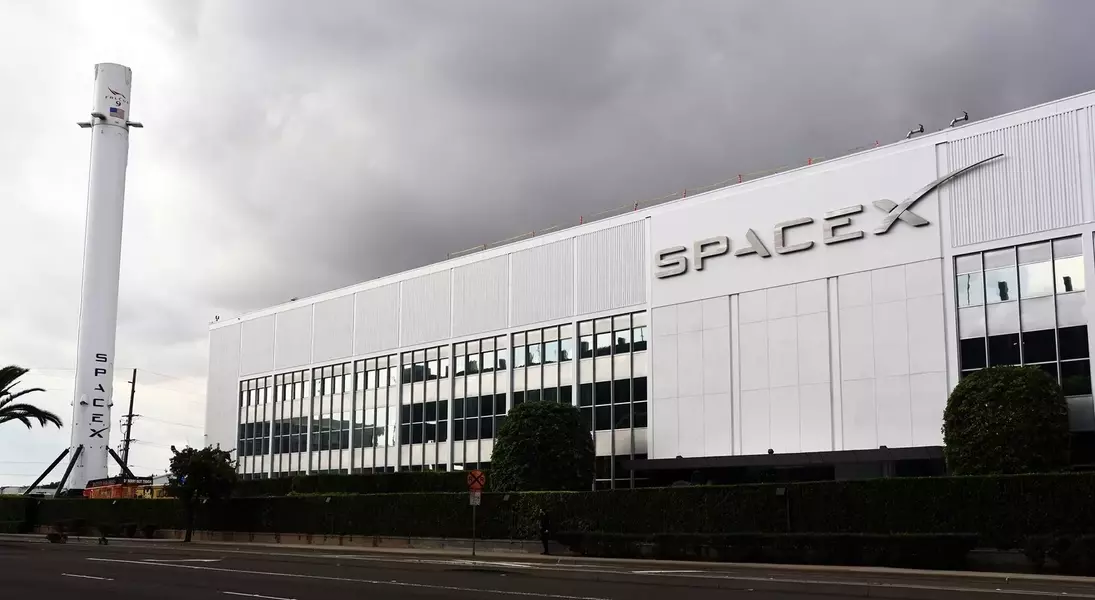
Space Exploration Technologies Corp. (SpaceX) presents a perplexing case for investors, balancing groundbreaking innovation against a valuation that appears to defy conventional financial wisdom. While the company is celebrated for its ambitious projects and technological leadership, a closer examination of its financial metrics suggests a significant overvaluation, leading many analysts to recommend a 'Sell' rating. The debate centers on whether future growth potential can justify current market perceptions, or if a more grounded assessment is warranted.
SpaceX's current market capitalization of $2 trillion, juxtaposed with trailing twelve-month revenues of just $19 billion and negative operating margins, immediately raises red flags for value-oriented investors. This substantial discrepancy between market valuation and revenue generation, coupled with a lack of profitability, highlights a core concern regarding the company's financial sustainability in the long run. Even with optimistic growth projections, the company's forward multiples—such as a projected 2030 Enterprise Value to Sales ratio of 10.91x and a Price to Earnings ratio of 53x—remain exceptionally stretched, indicating that much of its future success is already priced into the stock.
A significant portion of SpaceX's recent success and public attention stems from its Starlink division, which provides satellite internet services. Starlink has demonstrated impressive growth and has even achieved profitability, suggesting a viable business model within the broader SpaceX ecosystem. However, despite its robust performance, Starlink accounts for only about 21% of SpaceX's overall market capitalization. Furthermore, the inherent costs associated with maintaining and replacing a vast satellite constellation dampen Starlink's standalone appeal, preventing it from single-handedly justifying the conglomerate's lofty valuation. The continuous need for capital expenditure to replenish its satellite network poses a persistent challenge to maximizing profitability.
SpaceX currently enjoys a dominant market share and a technological lead in the burgeoning space industry. Nevertheless, this position is not immutable. Competitors, including well-established giants like Amazon (AMZN) and emerging players like Rocket Lab (RKLB), are making substantial investments to carve out their own niches and gain market share. This intensifying competitive landscape threatens to erode SpaceX's current advantages, potentially impacting its future revenue streams and profitability. The cost of maintaining technological superiority and fending off rivals could further strain SpaceX's financial resources, complicating its path to sustainable profitability.
In conclusion, while SpaceX continues to innovate and push the boundaries of space exploration, its current market valuation is exceptionally high when assessed against traditional financial metrics. The company's heavy investment in future projects, combined with competitive pressures and the high costs of maintaining its infrastructure, suggest a challenging road ahead. For those who prioritize sound financial fundamentals and realistic growth expectations, a cautious approach to SpaceX's stock is advisable.
