





Electronic Arts recently underwent a significant change in ownership, transitioning to a private entity through a monumental $55 billion leveraged buyout. This acquisition was spearheaded by a consortium of buyers, notably including the Saudi Arabian government's Public Investment Fund (PIF), alongside prominent investment firms Affinity Partners and Silver Lake. The deal, largely financed by borrowed capital, marks one of the largest leveraged buyouts ever recorded. While EA's leadership has communicated intentions to preserve creative autonomy and invest in its workforce under the new ownership, the industry maintains a degree of skepticism regarding the long-term implications for the company's direction and its various studios.
As EA embarks on this new chapter, the landscape of its numerous development studios becomes a focal point of interest. This article delves into the diverse array of studios operating under the EA umbrella, examining their origins, key franchises, recent game launches, and current development priorities. From established powerhouses to mobile gaming specialists, each studio contributes to EA's expansive portfolio, and their individual trajectories will collectively shape the company's future in the gaming industry under its new private structure.
The Legacy and Evolution of EA's Core Development Studios
Electronic Arts' extensive network of studios, each with its unique history and specialization, forms the backbone of its diverse game catalog. Following the massive $55 billion leveraged buyout, which saw the company go private under the ownership of a consortium including Saudi Arabia's Public Investment Fund, questions have naturally arisen about the future direction of these creative hubs. Despite assurances from EA's management that creative control will be maintained and that there will be continued investment in employees, the industry remains watchful. This section explores several key studios, highlighting their contributions to the gaming world and their current status within the newly privatized EA structure.
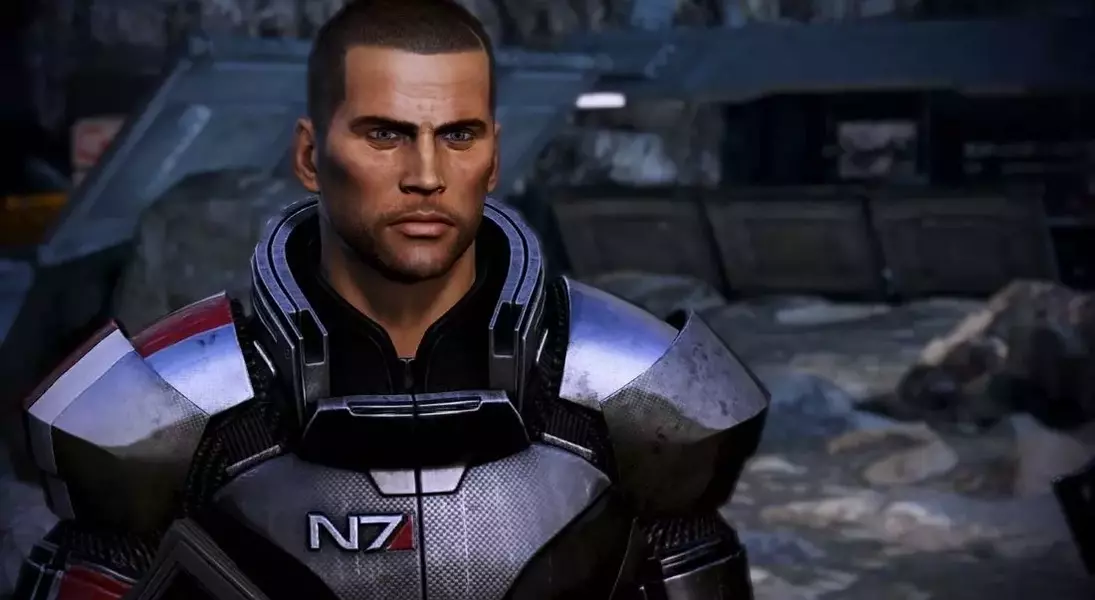
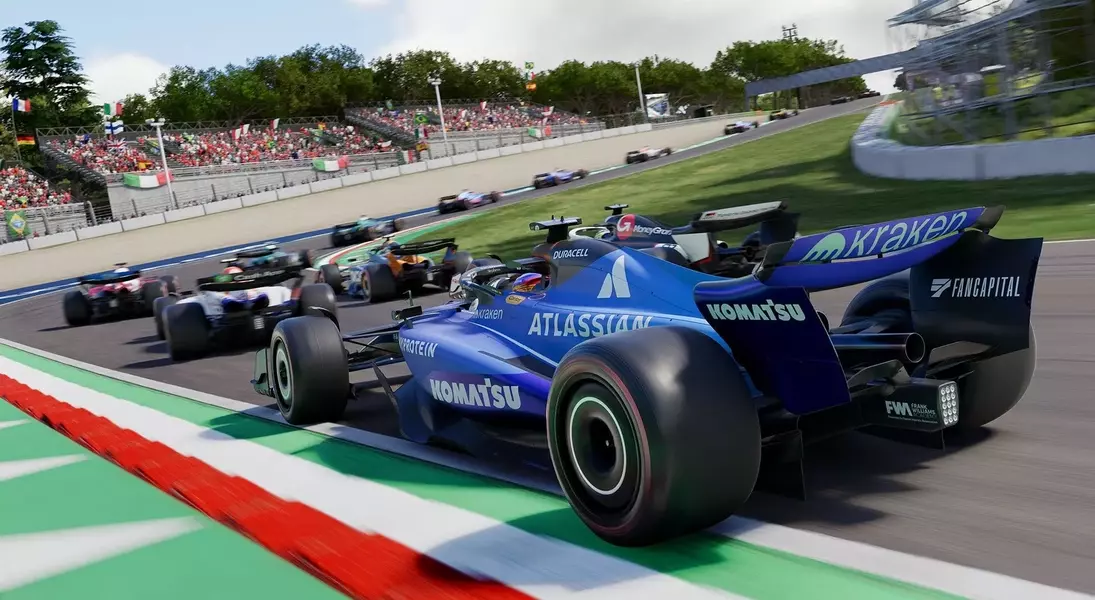
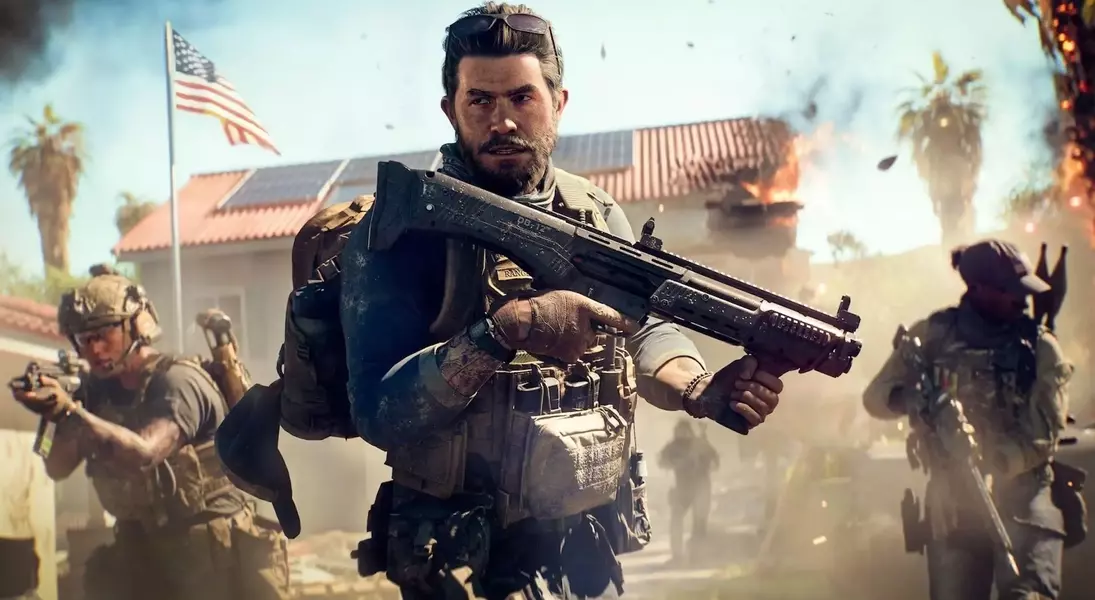
BioWare, acquired in 2008, is renowned for its narrative-rich, single-player RPGs like Mass Effect and Dragon Age, with its most recent title, Dragon Age: The Veilguard, not meeting sales expectations. The studio is now exclusively focused on the Mass Effect series. Codemasters, a UK-based racing game specialist acquired in 2021, continues its success with the F1 series, including F1 25 and the upcoming F1 27. Criterion, brought into the EA fold in 2004, known for Burnout and Need for Speed, now primarily supports the Battlefield franchise. DICE, a Stockholm-based developer acquired in 2006, is the force behind the hugely successful Battlefield series, with Battlefield 6 selling 20 million copies. Frostbite Labs, a 2006 spinoff from DICE, is dedicated to advancing the Frostbite engine, VR technologies, and AI, underpinning many of EA's major titles. Full Circle, formed by EA in 2021, is reviving the Skate franchise with its free-to-play, microtransaction-heavy title, skate., which is still in early access. Maxis, acquired in 1997, continues to thrive with The Sims 4 and is developing the next generation of The Sims with "Project Rene," demonstrating EA's strategic investments across various gaming genres and platforms, even amidst its ownership transition.
EA's Expansion into Mobile Gaming and Niche Markets
Beyond its traditional console and PC development, Electronic Arts has strategically expanded its influence into the burgeoning mobile gaming sector and specialized market segments. This diversification is crucial for EA's continued growth, particularly as the company navigates its new private ownership. The acquisition by the Saudi Arabian Public Investment Fund and other firms has raised discussions about potential impacts on content and development strategies, but EA leadership has emphasized a commitment to supporting its diverse portfolio. This segment spotlights EA's significant ventures in mobile gaming and unique development areas, underscoring their role in the company's broader market strategy.
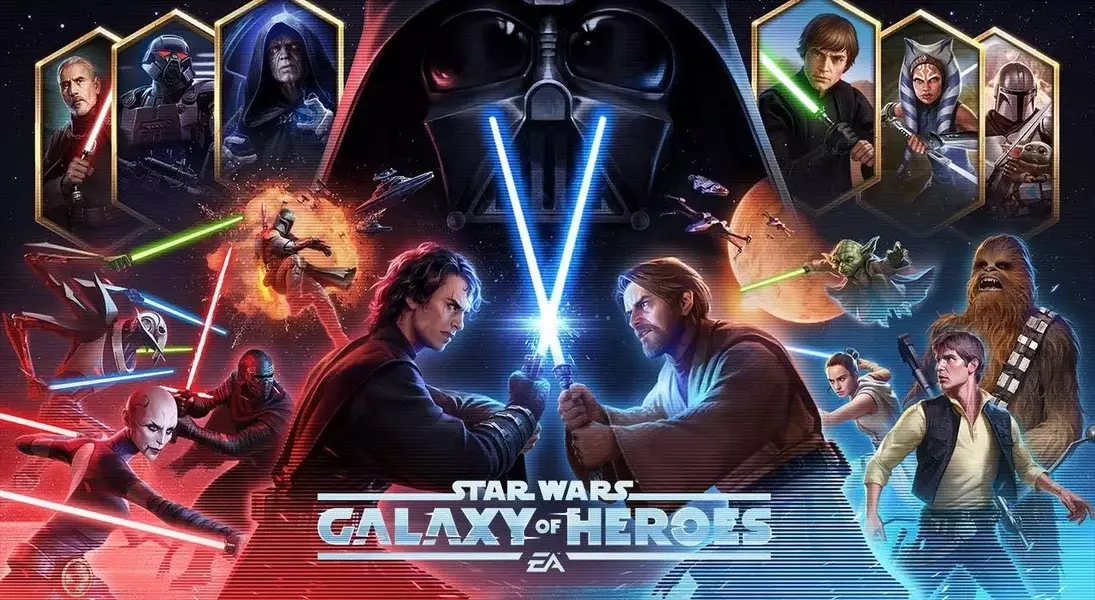
EA Capital Games, acquired in 2011, specializes in mobile titles such as Star Wars: Galaxy of Heroes, which has generated over $1.4 billion in revenue since its 2015 launch, contrasting with the shutdown of Lord of the Rings: Heroes of Middle-earth a year after its 2023 debut. Firemonkeys, an Australian mobile studio acquired in 2012, focuses on live-service support for games like The Sims FreePlay, The Sims Mobile, and Need for Speed: Most Wanted. EA Korea Studio, stemming from the 2008 acquisition of Hands-On Mobile Korea, primarily manages live-service operations for FC Online in select Asian markets. These studios exemplify EA's dedication to capturing market share in the mobile gaming space and catering to specific regional audiences. Despite the recent ownership change, the continued focus on these profitable and strategically important segments suggests that EA is committed to maintaining its broad market reach and adapting to evolving player preferences.
