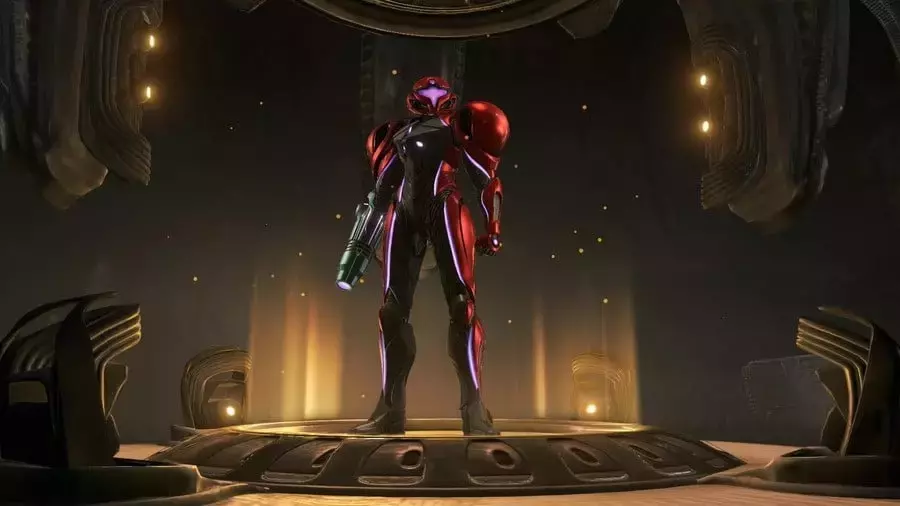
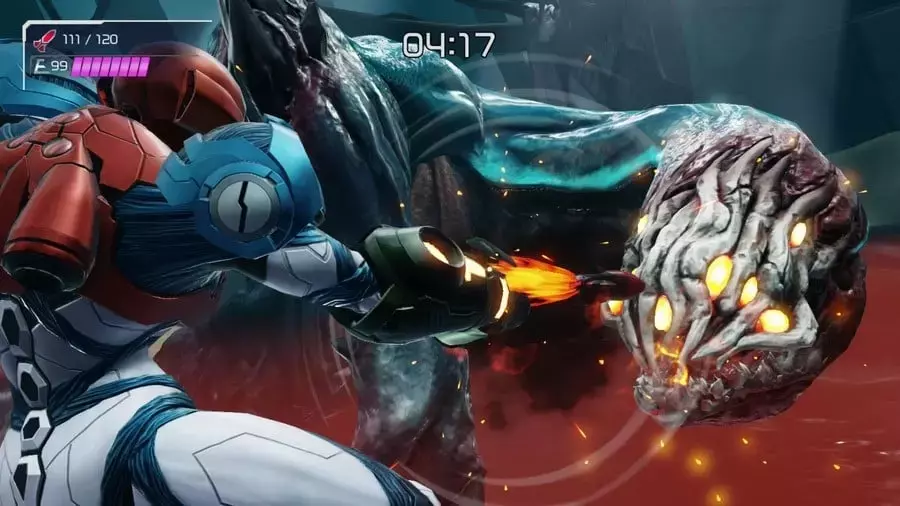
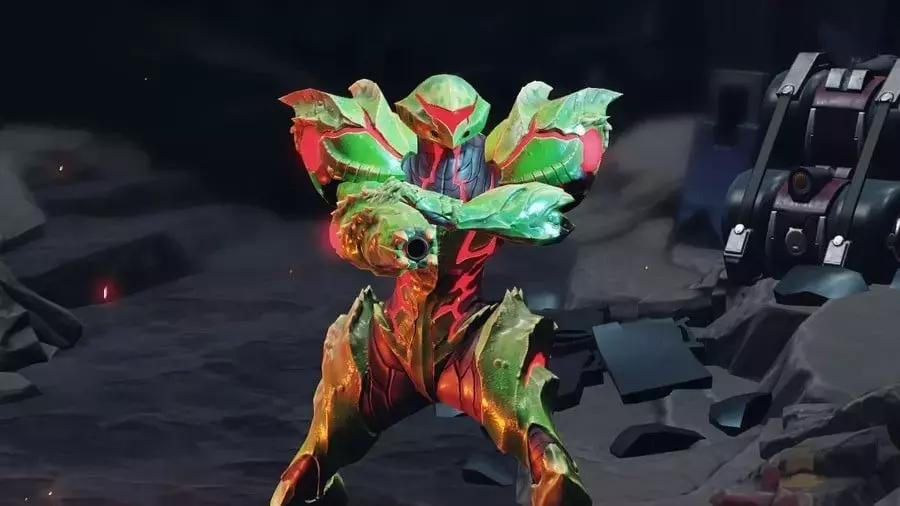
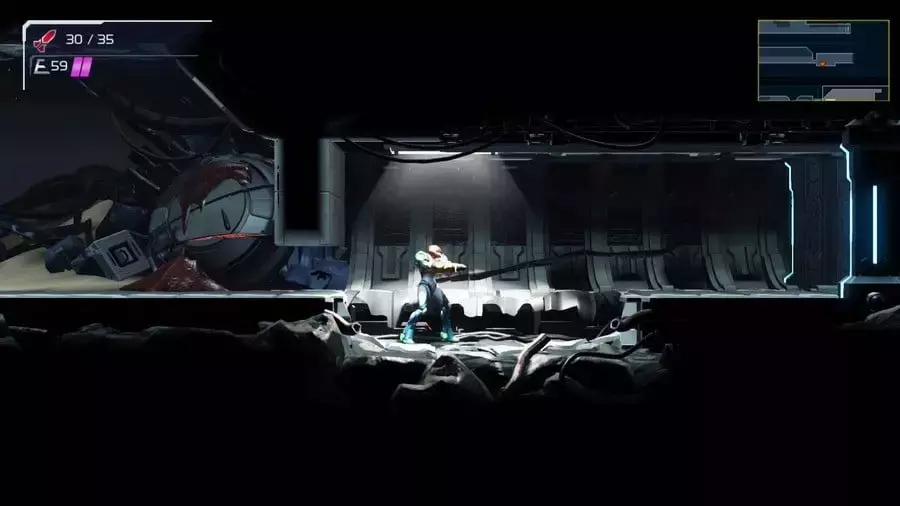
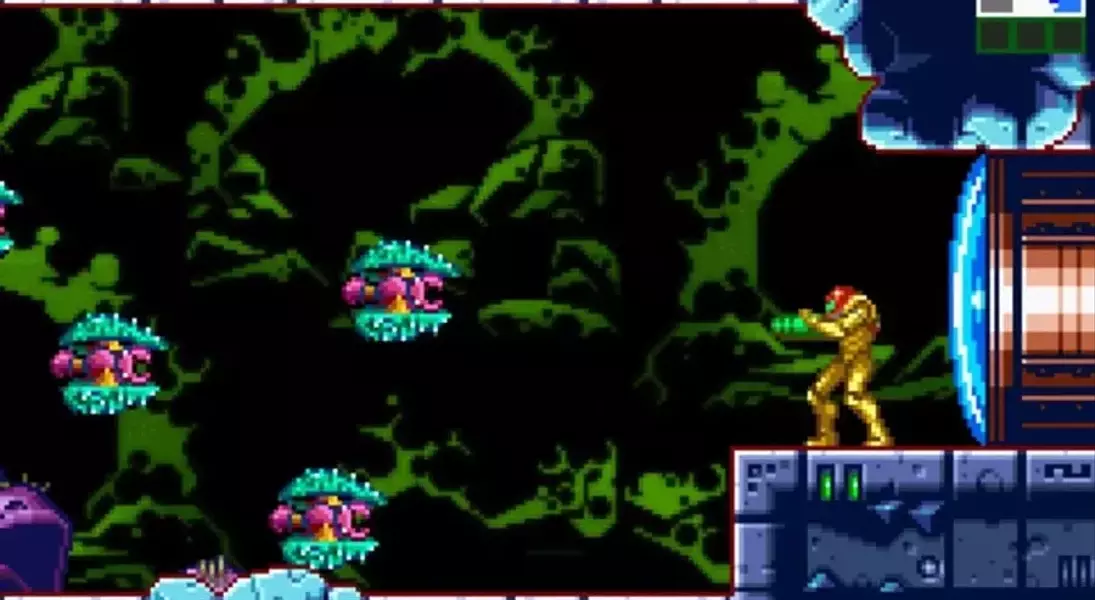
With the Metroid series reaching its fortieth year, attention naturally turns to its future, particularly what the next major installment, unofficially dubbed 'Metroid 6,' might offer. Building on the critical and commercial success of 'Metroid Dread,' fans are keen to see how the series protagonist, Samus Aran, evolves and what new challenges and mechanics will define her next adventure. The desire for a more proactive combat system, moving beyond the reactive counter-attacks prevalent in recent entries, is a significant point of discussion. This shift would empower Samus, allowing for more aggressive engagement and a greater sense of agency in confrontations, rather than relying on defensive maneuvers. Such an approach would align with the character's increasing power shown at the conclusion of 'Dread,' where she embraces her Metroid DNA, hinting at a darker, more formidable persona.
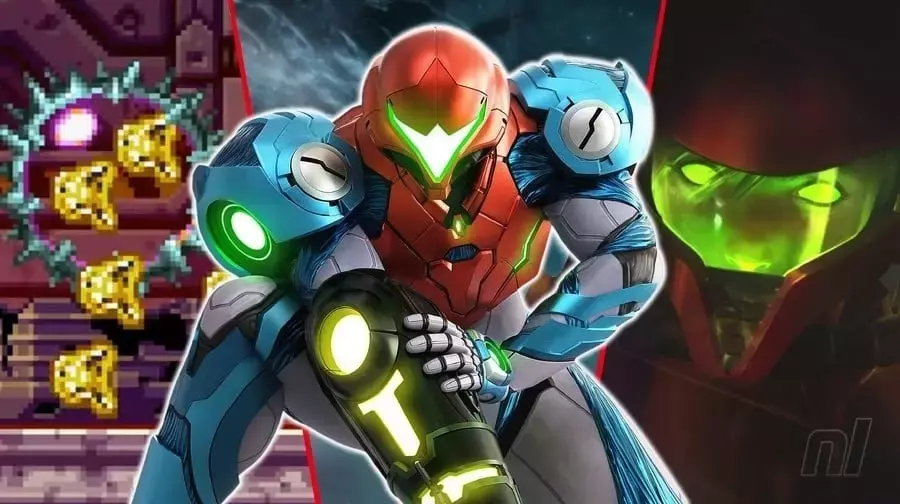
Beyond gameplay, the artistic and auditory dimensions of the next Metroid game are crucial for an immersive experience. While 'Metroid Dread' delivered visually, its musical score, though atmospheric, lacked the memorable impact of previous titles like 'Metroid Prime.' Fans yearn for a soundtrack that not only complements the game's mood but also leaves a lasting impression, much like the iconic themes that define specific biomes in older games. Similarly, environmental design plays a pivotal role in the Metroid universe. 'Dread' often featured a consistent, albeit somewhat repetitive, industrial aesthetic. The community hopes for a return to more distinctive and varied biomes, reminiscent of the awe-inspiring locales in 'Metroid Prime,' offering players a greater sense of wonder and exploration. Moreover, there's a strong sentiment for the reintroduction of pixel art, a style cherished for its vibrant expressiveness in classics like 'Zero Mission' and 'Fusion,' which could provide a fresh yet nostalgic visual identity for a modern Metroid title.
Finally, a major concern among the fanbase is the lengthy development cycles between main entries in the series. The significant gap between 'Metroid Fusion' and 'Metroid Dread' highlights a desire for more frequent releases. While quality should never be sacrificed for speed, the potential existence of projects like 'Metroid Ravenous' offers a glimmer of hope that future installments might arrive sooner, ensuring that Samus's saga continues without prolonged hiatuses. This balance between meticulous development and timely delivery is essential to maintain fan engagement and capitalize on the narrative momentum built by recent successes.
Ultimately, the evolution of the Metroid series hinges on embracing innovation while honoring its rich legacy. By refining combat, enhancing musical and environmental storytelling, exploring diverse artistic styles, and optimizing development timelines, the next Metroid adventure has the potential to captivate both long-time devotees and new players alike, reinforcing its status as a paragon of exploration and adventure in the gaming world.
