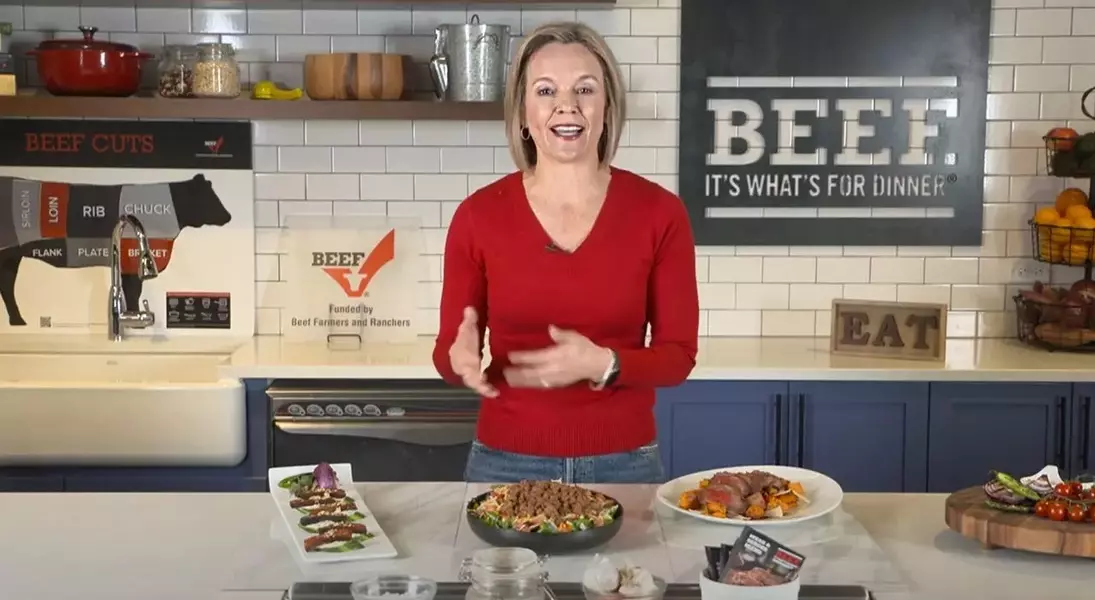
Dr. Shalene McNeill's professional life has been consistently dedicated to highlighting the importance of protein in human nutrition. As the Executive Director of Nutrition, Health, and Wellness for the National Cattlemen's Beef Association (NCBA), her work spans decades of research and public education. Dr. McNeill has been a pivotal figure in transforming public perceptions of protein-rich foods, advocating for their essential role in a balanced diet. Her efforts demonstrate a profound commitment to integrating scientific understanding with practical dietary advice, showcasing how foods like beef can significantly contribute to overall health and well-being, particularly in the context of popular high-protein dietary trends.
Pioneering Advocacy for Protein: A Deep Dive into Dr. Shalene McNeill's Journey
Dr. Shalene McNeill, a registered dietitian and an influential voice in nutritional science, has devoted her career to illuminating the critical role of protein-dense foods. Her journey commenced in the late 1990s, delving into the then-controversial dietary impact of eggs and poultry. Through meticulous research, she contributed to a paradigm shift, helping to dispel long-held misconceptions surrounding cholesterol and paving the way for healthier food production, such as the development of enhanced eggs now commonly found in supermarkets.
As the scientific landscape evolved, Dr. McNeill’s focus gracefully transitioned to beef. Recognizing parallels in the public's misunderstanding of beef’s nutritional profile, she applied her expertise to champion its benefits. In 1998, she joined the Texas Beef Council as a senior manager in nutrition communications, eventually ascending to her current prominent role as the Executive Director of Nutrition Research at the NCBA.
Dr. McNeill expresses immense satisfaction with her career trajectory, noting the unique position her team holds within the industry. Unlike many corporate dietitians who navigate companies less invested in nutrition, she finds herself in an environment where the beef industry deeply values health and actively recognizes the positive impact beef consumption can have on human well-being. This alignment allows her to pursue her passion, fostering a deeper understanding of beef’s nutritional contributions and its potential to enhance overall health.
Beyond her research and leadership roles, Dr. McNeill is actively engaged in public outreach. She frequently appears in online cooking demonstrations, showcasing the culinary versatility of beef and providing accessible ways for consumers to incorporate it into their diets. Additionally, she extends her knowledge through Nutrition Science Connections, a consulting firm she established to offer expert guidance in the realms of nutrition, health, and wellness.
Dr. McNeill's narrative is a compelling testament to the power of persistent advocacy and evidence-based communication. Her career underscores how dedicated professionals can reshape public understanding and drive positive change in dietary habits, ultimately contributing to a healthier society.
From a journalist's perspective, Dr. Shalene McNeill's career serves as a powerful illustration of the evolving nature of nutritional science and public perception. Her steadfast commitment to advocating for protein-rich foods, especially beef, highlights the importance of evidence-based communication in challenging and changing prevailing dietary narratives. It reminds us that behind every major shift in public health understanding, there are dedicated individuals who tirelessly work to bridge the gap between complex scientific findings and everyday dietary choices. Her ability to pivot from championing eggs to advocating for beef, based on scientific parallels, demonstrates adaptability and a deep understanding of nutritional principles. This story encourages a critical look at how information is disseminated and how vital it is for experts to engage directly with the public, not just through research papers, but through practical, relatable demonstrations, like her cooking videos. It's a call to action for all communicators to present scientific truths in an accessible and engaging manner, ensuring that informed choices can be made for better health outcomes.
