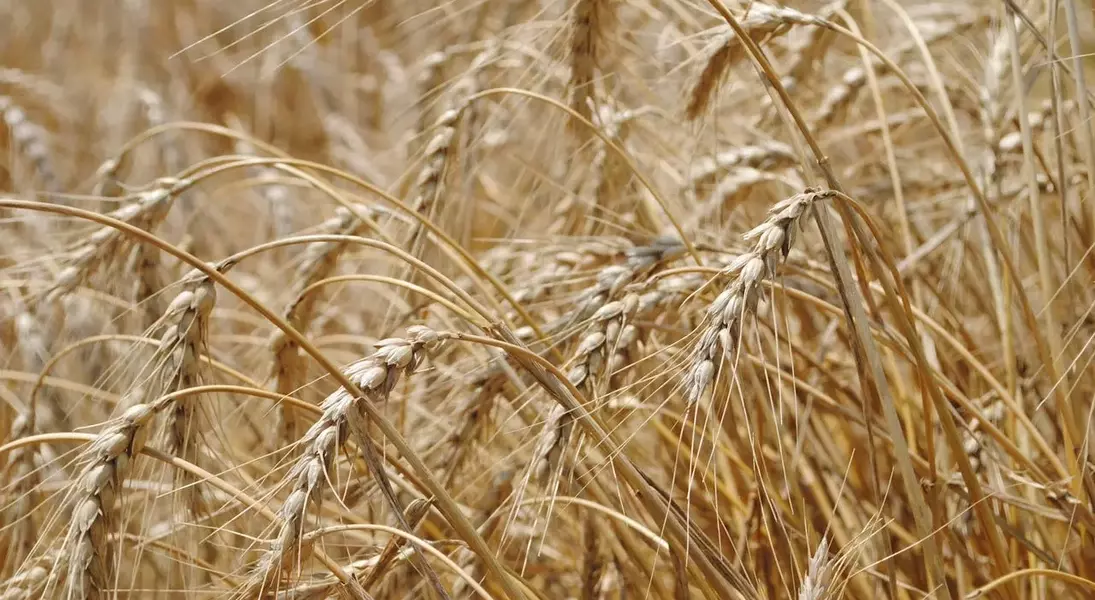
Embracing the cultivation of small grains, such as oats, wheat, and barley, within agricultural rotations presents a pathway to substantial long-term gains for farming operations. While a year-to-year financial assessment might not immediately highlight their profitability, a broader perspective over a five-year cycle reveals their true value. Farmers integrating these crops can expect an impressive increase in their per-acre profits, potentially ranging from $150 to $200 annually. This financial uplift primarily stems from significant reductions in input expenses, including decreased reliance on herbicides and fertilizers, alongside notable enhancements in the productivity of subsequent cash crops. Moreover, the inclusion of small grains naturally curtails weed growth and interrupts disease patterns, fostering a healthier and more resilient agricultural ecosystem. The adaptability of these crops further extends to providing excellent opportunities for implementing cover crops, efficient manure utilization, and diverse forage production, showcasing their multifaceted benefits beyond simple commodity yields.
The strategic incorporation of small grains extends far beyond direct financial returns, positively influencing critical aspects of farm management and environmental stewardship. For example, growing small grains protects precious topsoil from the damaging effects of wind and water erosion, a crucial benefit for long-term land productivity. Their presence ensures living roots remain in the soil for extended periods, augmenting microbial activity, optimizing nutrient cycling, and building soil organic matter—all vital for sustained fertility. The early summer harvest window for many small grains provides a unique opportunity for immediate cover crop planting or for the application of manure, benefiting both soil structure and nutrient retention. Furthermore, the versatility of small grains allows for diverse utilization, from grain harvest to grazing by livestock or as a dedicated forage crop, offering flexible income streams and improved resource management, particularly for operations with integrated animal husbandry.
Ultimately, the seemingly modest individual crop-year returns of small grains obscure their profound, cumulative advantages within a well-planned agricultural system. By fostering a holistic approach to farm management, which includes enhanced soil vitality, reduced external inputs, and diversified cropping options, small grains empower farmers to achieve greater economic stability and environmental resilience. Their strategic adoption not only boosts the farm's bottom line but also contributes significantly to agricultural sustainability, ensuring the land remains productive and profitable for future generations. This integrated farming model demonstrates a commitment to both financial success and responsible stewardship of natural resources, embodying a positive vision for the future of farming.
