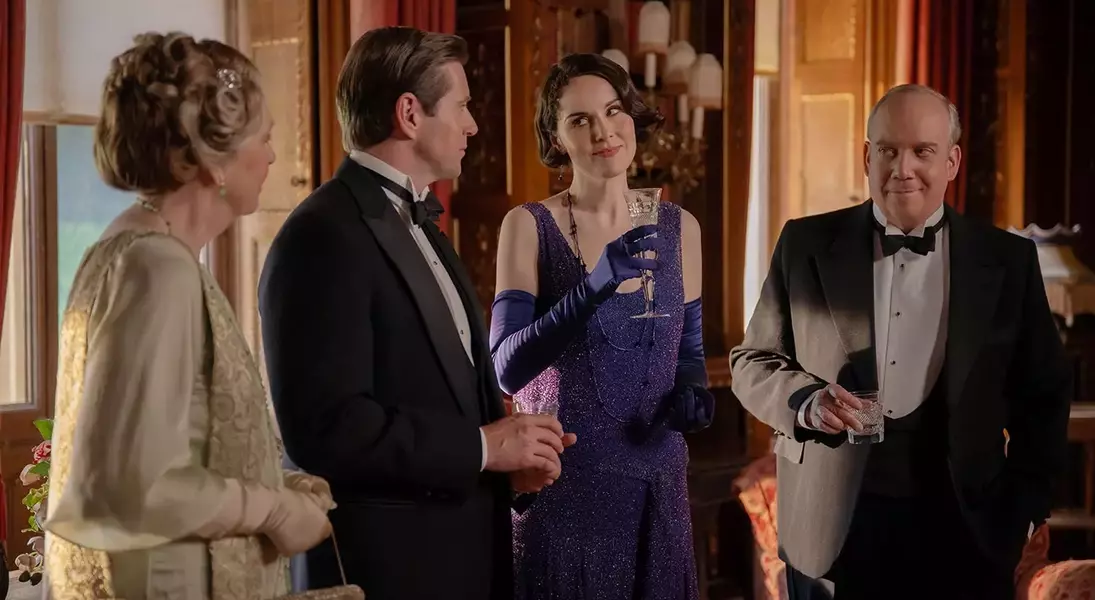
In a cinematic return that promises to delight long-standing admirers, the newest installment of the 'Downton Abbey' narrative, titled 'The Grand Finale,' gracefully navigates the complexities of the 1930s while staying true to its beloved heritage. As one character thoughtfully observes, there’s a certain comfort in the past that often surpasses the uncertainties of the future—a sentiment that resonates deeply with the enduring appeal of this franchise. The film masterfully brings back nearly all the cherished characters, seamlessly weaving together familiar storylines, subtle comedic touches, and elegant dramatic arcs that fans have come to adore over six television seasons and three preceding films. It successfully provides a heartfelt and appropriate resolution, allowing viewers to bid a proper farewell to the Crawley family and their loyal staff.
Amidst the familiar tapestry of the Downton universe, a new, vibrant character emerges, injecting a fresh dose of witty humor into the narrative. This character, a portrayal of the real-life Noel Coward, is brilliantly brought to life by Arty Froushan, who steps in to deliver the sharp, insightful remarks reminiscent of Maggie Smith's iconic Dowager Countess. His presence is a superb addition to an already rich ensemble, making it worthwhile to keep track of the many interwoven storylines. The plot unfolds in 1930, starting with the Downton inhabitants, both gentry and servants, enjoying Coward’s operetta 'Bitter Sweet' in London’s West End. However, beneath the surface of social merriment, challenges begin to brew. The public revelation of Lady Mary’s divorce, the financial woes brought on by Cora’s brother Harold’s poor investments, and the impending retirement of the steadfast butler Carson all contribute to a heightened sense of drama and change within the Abbey. These intertwined subplots, rich with both comedic and dramatic elements, underscore the shifting social landscape and the personal struggles faced by each character.
Although the film’s packed storyline might, at times, feel overwhelming compared to the leisurely pace of the television series, Julian Fellowes' consistently clever writing shines through, making every moment enjoyable. A particularly moving scene, which beautifully encapsulates the spirit of the franchise, depicts Robert seeking counsel from his trusted servant Carson about relinquishing control of Downton to his daughter, Mary. This interaction poignantly illustrates the deep bond and mutual respect that transcends their differing social stations, embodying the very best of 'Downton Abbey.' Living up to its name, 'The Grand Finale' strives to offer a comprehensive sense of closure to its devoted audience. The film concludes with a nostalgic tribute, curated by director Simon Curtis, featuring evocative glimpses into the series' history. This includes frequent visual nods to Maggie Smith’s unforgettable character, whose spirit continues to influence the proceedings. The movie fittingly ends with a dedication to the late actress, acknowledging her immense and irreplaceable contribution to the franchise's enduring legacy and success.
This film serves as a reminder that even as societal tides change and personal trials emerge, the strength of family, friendship, and resilience can overcome adversity. It encourages us to cherish our shared histories and to find optimism in embracing new beginnings, recognizing that true wealth lies not in material possessions but in the enduring bonds of humanity and the ability to adapt with grace and integrity.
