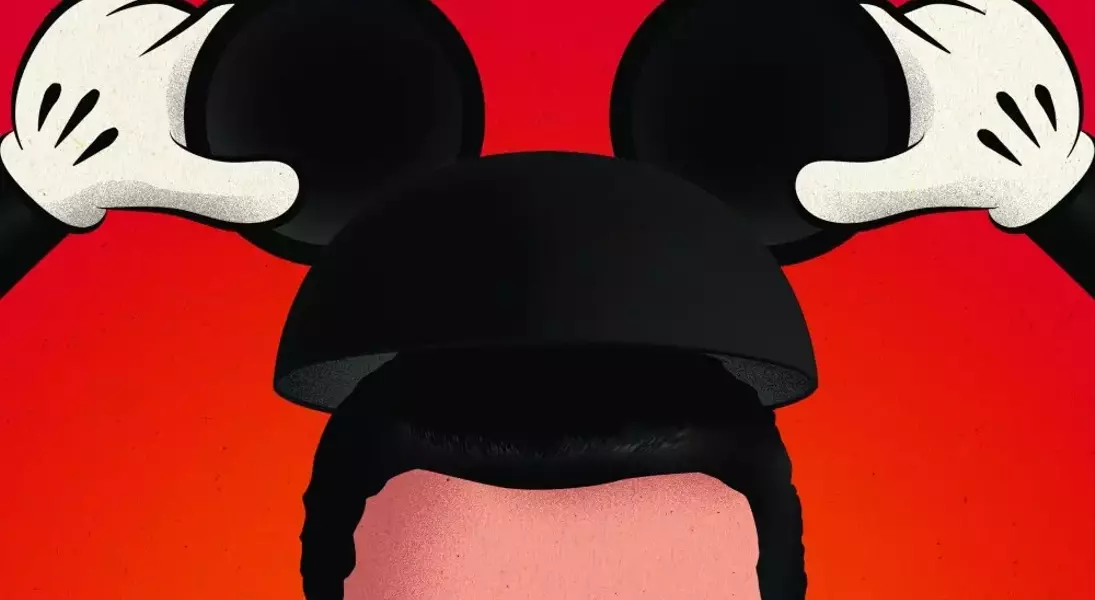
In an unexpected shift for an entertainment titan, Disney is actively exploring fresh narrative avenues to captivate the elusive Gen Z male demographic. This strategic redirection reflects a proactive acknowledgment of evolving audience consumption patterns, particularly among younger generations who exhibit distinct preferences for interactive media like gaming. While the studio has long benefited from its behemoth franchises, a renewed focus on pioneering original content signals an adaptive approach to ensure sustained engagement and market relevance in a dynamic media landscape.
Disney's Quest for New Narratives to Lure Younger Male Audiences
In the vibrant heart of Hollywood, amidst the bustling studios, Walt Disney Studios has embarked on a significant quest: to forge novel and compelling cinematic experiences specifically designed to draw back young men, aged 13 to 28. This demographic, often found deeply immersed in digital gaming worlds and social media, represents a considerable challenge for traditional film distribution.
For decades, Disney's formidable entities, Marvel and Lucasfilm, have dominated the global box office, captivating diverse audiences with their expansive universes. However, recent trends indicate a diminishing enthusiasm among younger male viewers for these once-unassailable franchises. The highly anticipated launch of Marvel's latest venture, \"Fantastic Four: First Steps,\" despite critical acclaim and an impressive debut, ultimately fell short of commercial expectations, highlighting a broader shift in audience appetite.
In response, influential figures within Disney's leadership, including CEO Bob Iger, have openly advocated for a move away from an over-reliance on established intellectual property. This forward-looking directive emphasizes the cultivation of original stories that resonate with contemporary tastes. David Greenbaum, a former co-head at Searchlight Pictures and now at the helm of Disney’s live-action film division, has been tasked with spearheading this initiative. His recent recruitment of Daria Cercek, a veteran from Paramount Pictures with a strong track record in genre films like \"Sonic the Hedgehog\" and \"A Quiet Place,\" underscores the seriousness of this strategic pivot. Their collective vision includes developing grand global adventures and thrilling treasure hunts, alongside thematically seasonal productions.
While Disney celebrated unparalleled box office achievements last year and anticipates continued success with upcoming blockbusters such as “Avatar: Fire and Ash” and “Zootopia 2,” its determination to diversify reflects an acute awareness of market fluidity. Furthermore, Disney's recent $1.5 billion investment in the gaming giant \"Fortnite\" signifies an acknowledgment of the profound cultural impact of gaming on Gen Z. This strategic alliance aims to integrate Disney's iconic characters into interactive digital realms, potentially fostering a deeper connection with a demographic that views gaming as a primary form of entertainment.
The imperative to innovate is not merely a localized effort within the film group but forms part of a comprehensive, company-wide strategy to ensure Disney remains a potent force across all entertainment sectors. The landscape of media consumption is rapidly evolving, and Disney's proactive measures illustrate a commitment to adapting and thriving in this dynamic environment, continually striving to deliver \"great movies\" for all audiences.
From a journalist's perspective, this strategic redirection by Disney is profoundly insightful. It signifies a profound understanding that even the most venerable entertainment empires cannot rest on their laurels. The challenges posed by shifting audience behaviors, especially within the elusive Gen Z demographic, necessitate bold and creative responses. Disney's willingness to step beyond its comfort zone of established franchises and invest in original content and cross-platform integrations, such as with gaming, is a testament to adaptive leadership. It underscores a vital lesson for the entire entertainment industry: innovation is not merely about technological advancement but also about re-imagining storytelling and audience engagement in an ever-changing world. This move could very well set a new precedent for how legacy studios approach the future of cinematic entertainment, proving that even a kingdom built on fairy tales and superheroes must constantly evolve to enchant new generations.
