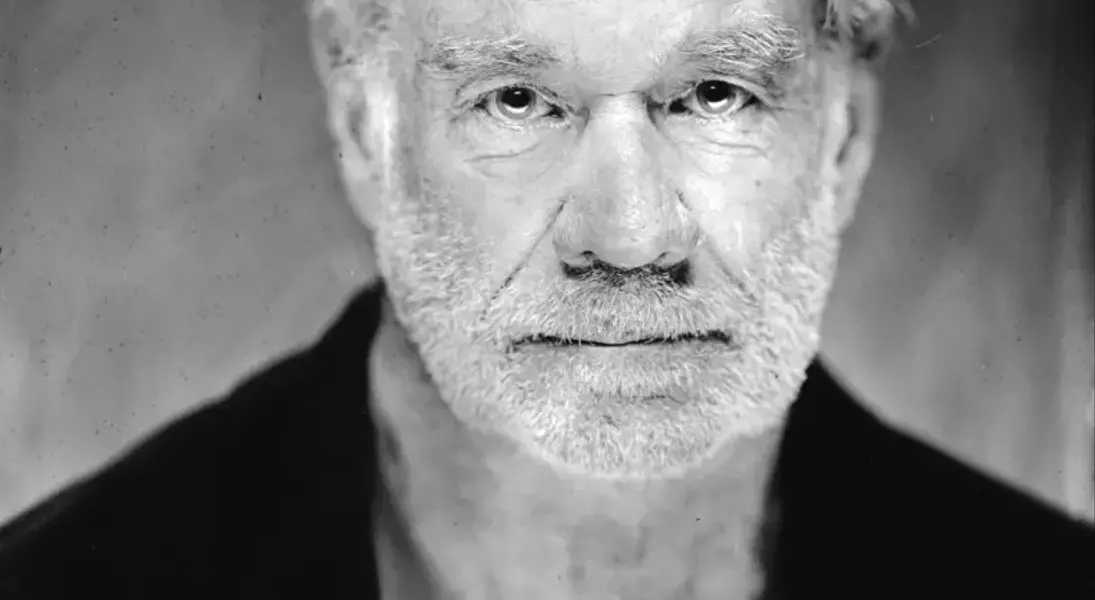
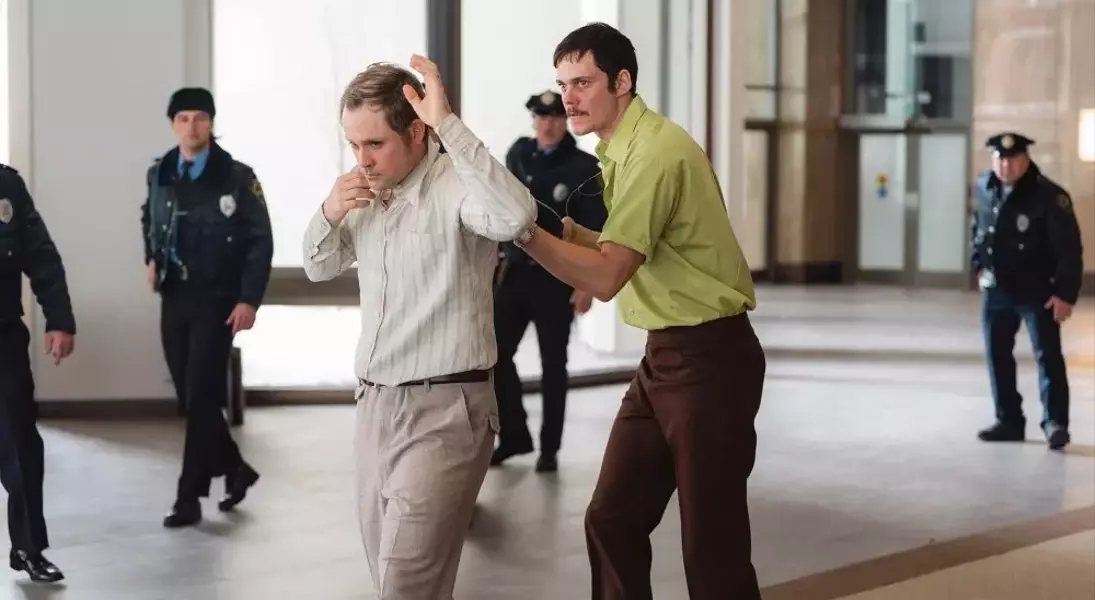
Gus Van Sant, a director known for his empathetic portrayal of society's marginalized figures, unveils his latest cinematic endeavor, 'Dead Man's Wire.' This new feature, which marks his return to feature filmmaking after a six-year hiatus, delves into the true story of Tony Kiritsis, a real estate hopeful driven to desperate measures in 1977 Indianapolis. Van Sant's film explores Kiritsis's dramatic 63-hour standoff with authorities after taking his broker hostage, a gripping event that captivated contemporary audiences. The director expresses a profound connection to the narrative, seeing it not merely as a historical piece but as a reflection of ongoing societal tensions, particularly concerning individuals pushed to their limits by systemic pressures.
Van Sant's personal background deeply informed his approach to 'Dead Man's Wire,' as the film is set in his native Midwest, specifically Indianapolis, with production occurring in Louisville, Kentucky. He found common ground with the characters and their struggles, drawing parallels to the small-town business environment familiar from his own family's history. This connection allowed him to imbue the film with an authentic understanding of the protagonist's indignation and thwarted aspirations. Despite his reserved demeanor, a trait that earned him the moniker 'the mellowest man in Hollywood' from Robin Williams, Van Sant's artistic conviction drives him to tackle complex, often unconventional, stories that resonate with audiences on an emotional level.
In an industry increasingly dominated by large-scale studio productions, 'Dead Man's Wire' stands as a testament to Van Sant's commitment to independent cinema. Made on a modest budget, the film embodies his preference for projects outside the mainstream studio system, which he views as prioritizing blockbusters over diverse storytelling. His career trajectory has seen him navigate both the art-house circuit with critically acclaimed works like 'Elephant' and 'Milk,' and brushes with more commercial ventures, including failed attempts to direct 'Fifty Shades of Grey' and 'Brokeback Mountain.' These experiences underscore the challenges of bringing unique visions to the screen, especially when grappling with material that might be deemed too sensitive or unconventional for broader audiences. 'Dead Man's Wire' is set to premiere at the Venice Film Festival, a familiar stage for Van Sant, where he continues to present films that challenge perceptions and explore the human condition.
Gus Van Sant's journey as a filmmaker, marked by a steadfast dedication to exploring complex human narratives, reminds us of the enduring power of art to illuminate the hidden corners of society. His willingness to confront difficult subjects and champion the stories of outsiders not only enriches the cinematic landscape but also encourages a deeper understanding and empathy for those on the fringes. By continuing to craft films that provoke thought and challenge conventional perspectives, Van Sant inspires us to look beyond the surface and appreciate the diverse tapestry of human experience, fostering a more inclusive and compassionate world.
