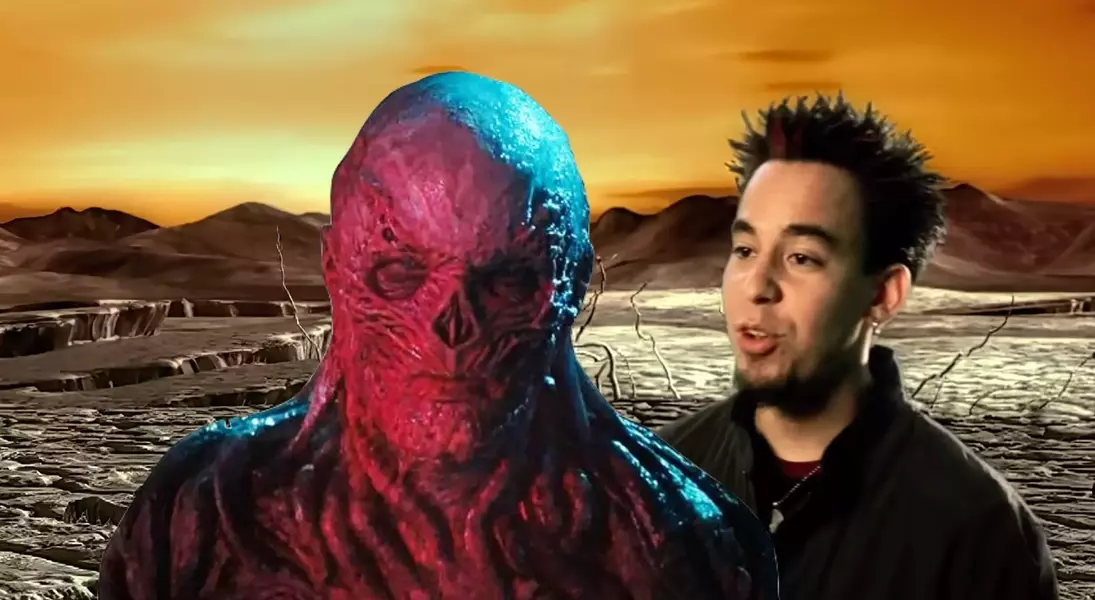
In the climactic conclusion of 'Stranger Things,' the young heroes of Hawkins confront Vecna in a new alternate dimension known as "The Abyss," a stark contrast to the familiar Upside Down. This dimension, characterized by its arid, rocky, and yellow-hued desert landscape with a desolate tree at its core, immediately resonated with many viewers. The visual parallels to Linkin Park's "In the End" music video, released around 2000, sparked widespread online discussion among fans who noted the similar yellow-tinted, computer-generated desert aesthetics. This unexpected connection led to numerous social media posts and even AI-generated fan art, highlighting the cultural impact of both works.
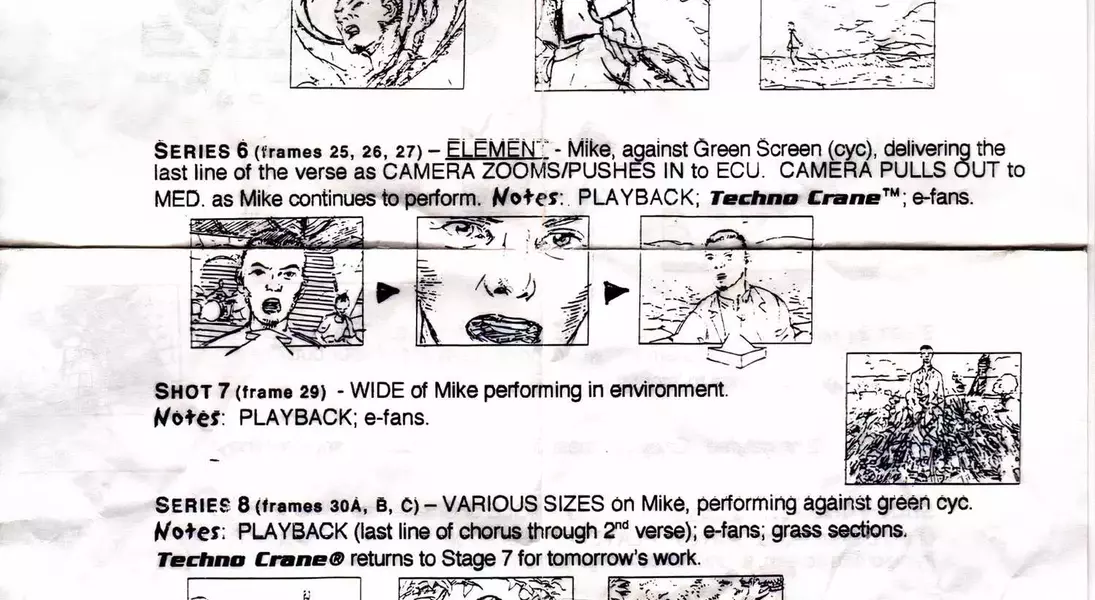
Nathan Cox, the acclaimed director behind Linkin Park's "In the End" music video, recounts his surreal encounter with the 'Stranger Things' finale. He describes watching the episode on New Year's Eve, immersed in a theater filled with emotional young fans, and slowly recognizing the familiar landscape of the Abyss. Cox's girlfriend first pointed out the resemblance, prompting a shared moment of realization. He reflects on the cutting-edge technology used two decades ago to create the groundbreaking visuals for the music video, acknowledging the significant advancements in visual effects since then. Despite the visual evolution, he expresses pride in his past work and its unexpected resurgence in contemporary popular culture, contemplating whether the similarities were a deliberate nod or a fortunate accident.
The convergence of these two distinct cultural phenomena underscores the enduring power of visual storytelling and its ability to transcend time and genres. Whether an intentional homage or a creative coincidence, the shared aesthetic between 'Stranger Things' and Linkin Park's music video sparks a delightful dialogue between past and present. It reminds us that artistic expressions, once released into the world, can find new life and meaning in unexpected contexts, fostering a sense of connection and shared experience across generations of audiences.
