
AMD has outlined its future strategy for FidelityFX Super Resolution 4 (FSR 4), indicating a significant shift towards an open-source model. The company revealed at CES that most of the FSR 4 software library will eventually be made publicly available, with the exception of its proprietary core artificial intelligence technology. This approach aims to foster broader adoption and community involvement while safeguarding AMD's competitive edge in neural network advancements for upscaling and frame generation.
During a press conference that included representatives from Tom's Hardware, Andrej Zdravković, AMD's President of GPU Technologies and Chief Software Officer, provided insights into the company's long-term vision. Zdravković confirmed that the accidental public release of FSR 4's source code in August 2025, although unintended, did not deter AMD's plans. Instead, the incident highlighted the community's interest and potential for innovation, reinforcing the decision to pursue an open-source path for non-core components. This strategic move is designed to prevent rival companies like Nvidia from gaining an unfair advantage by accessing AMD's core AI algorithms.
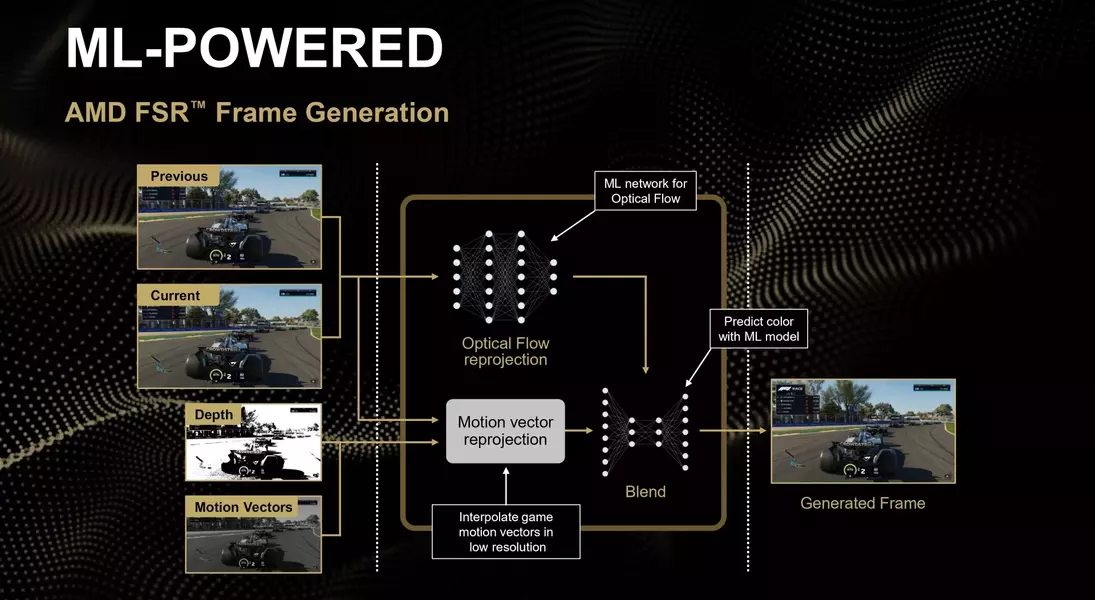
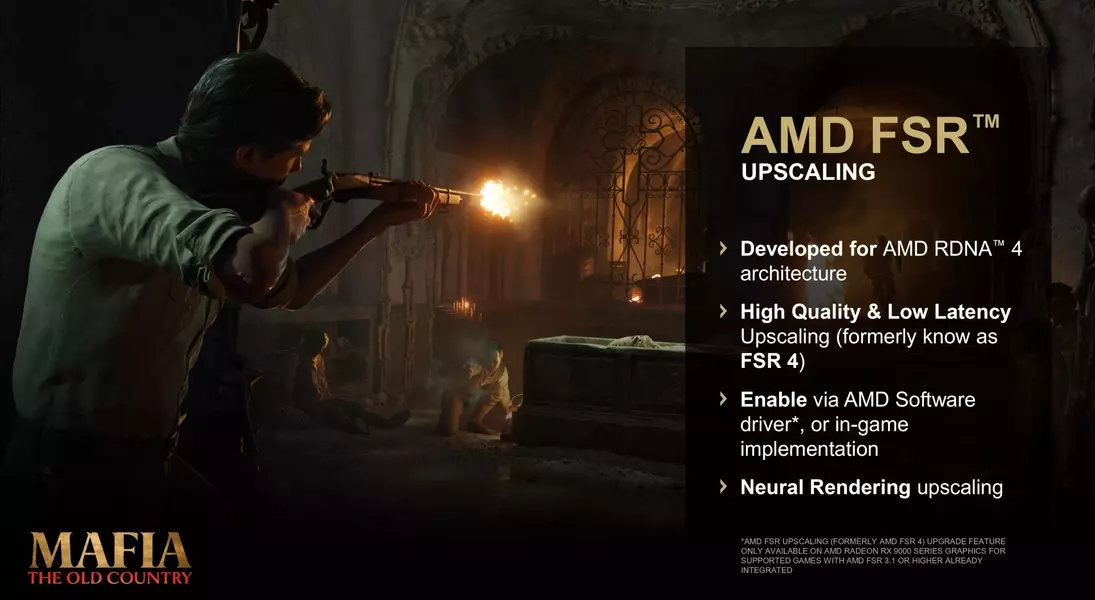
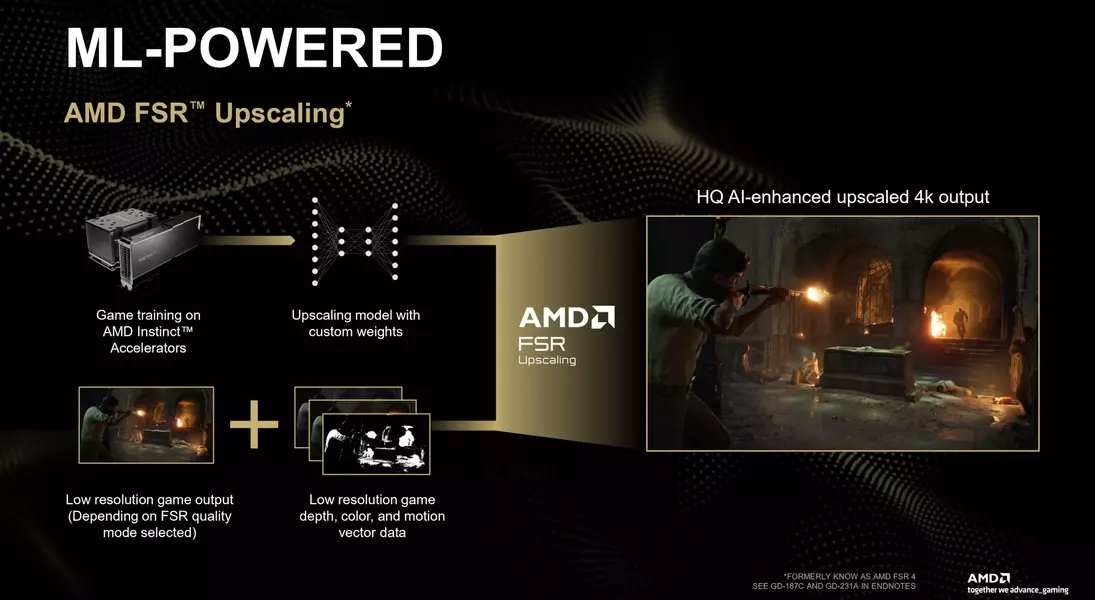
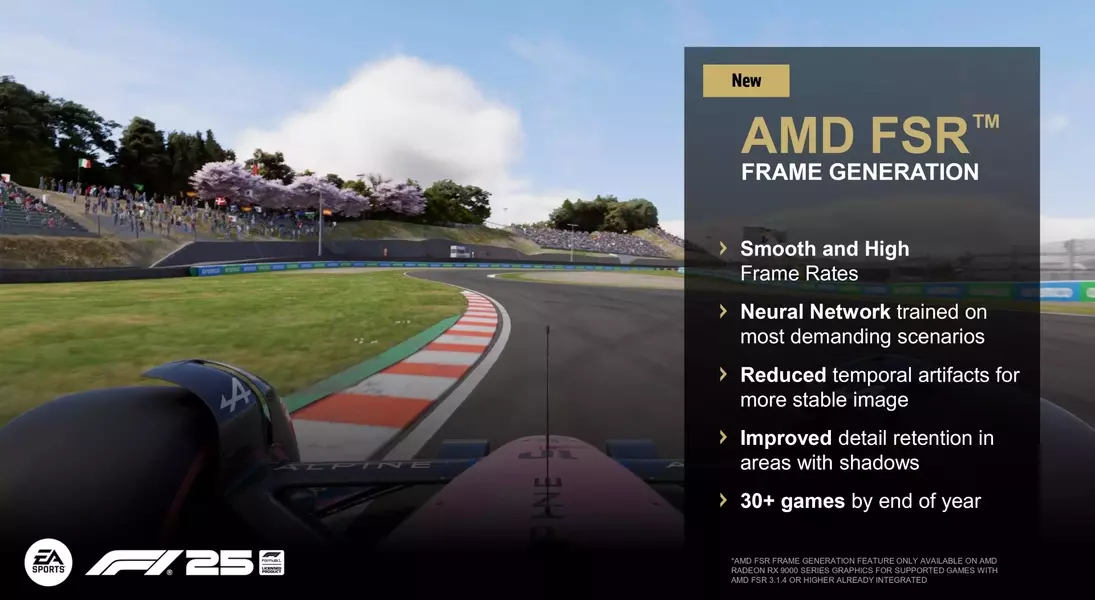
The FSR 4 technology represents a significant leap from its predecessors. Unlike earlier versions (FSR 3.1.5 and older) which relied entirely on standard shaders, FSR 4 leverages neural networks and requires access to the matrix units within RDNA 4 GPUs. This advanced architecture allows FSR 4 to address common upscaling artifacts and generate frames more effectively, akin to how Nvidia's DLSS technology operates. The prior accidental release of the FidelityFX SDK to GitHub briefly allowed modders to run FSR 4 on older, non-RDNA 4 hardware, albeit with performance limitations.
Existing FSR versions are already open-source and available on GitHub under an MIT license, permitting developers to freely utilize and modify the code. While the full FSR 4 source code was quickly removed after its inadvertent upload, the upcoming official open-sourcing of its non-core elements is expected to provide substantial benefits. This will enable greater customization and potentially lead to improved third-party applications that can better integrate or even override existing FSR implementations in games. Such developments could enhance the user experience, particularly by streamlining software interactions that are currently considered cumbersome, such as those within AMD's Adrenalin software.
The decision to open-source FSR 4's auxiliary components, while protecting the core AI, reflects a balanced strategy. It aims to empower the developer community and expand the reach of FSR technology across a wider range of hardware, including older GPUs. This move could also stimulate innovation in graphics enhancement by making essential tools more accessible, ultimately benefiting gamers with improved performance and visual fidelity.
