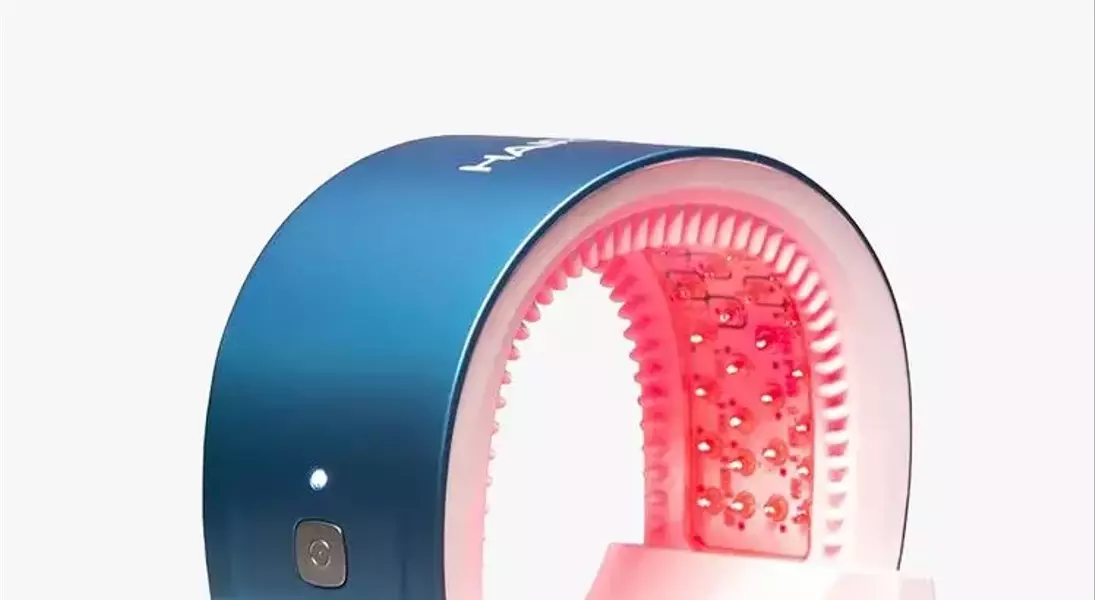
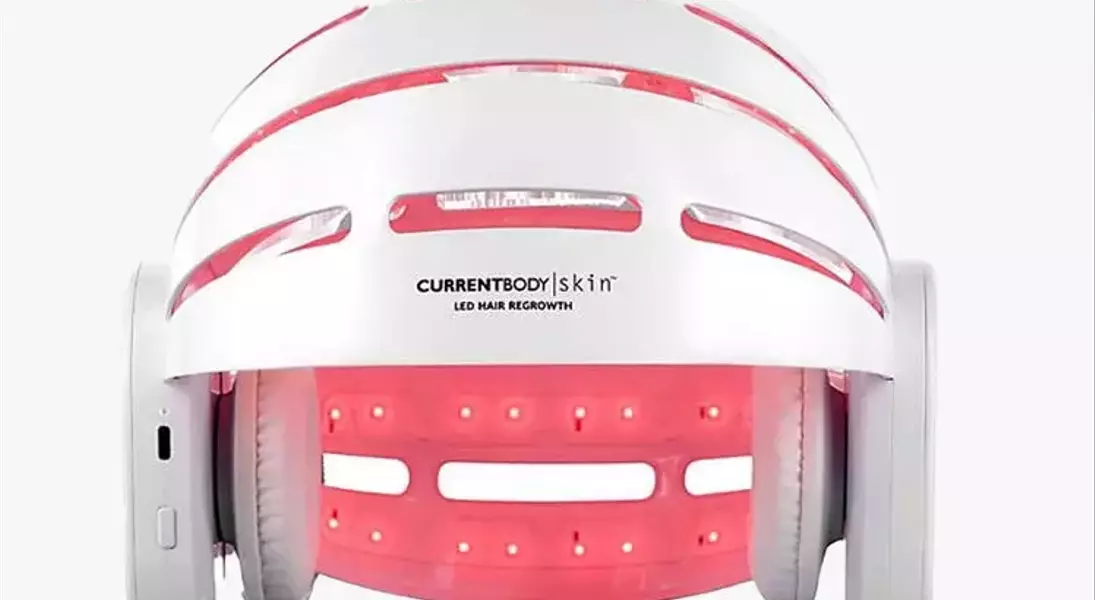


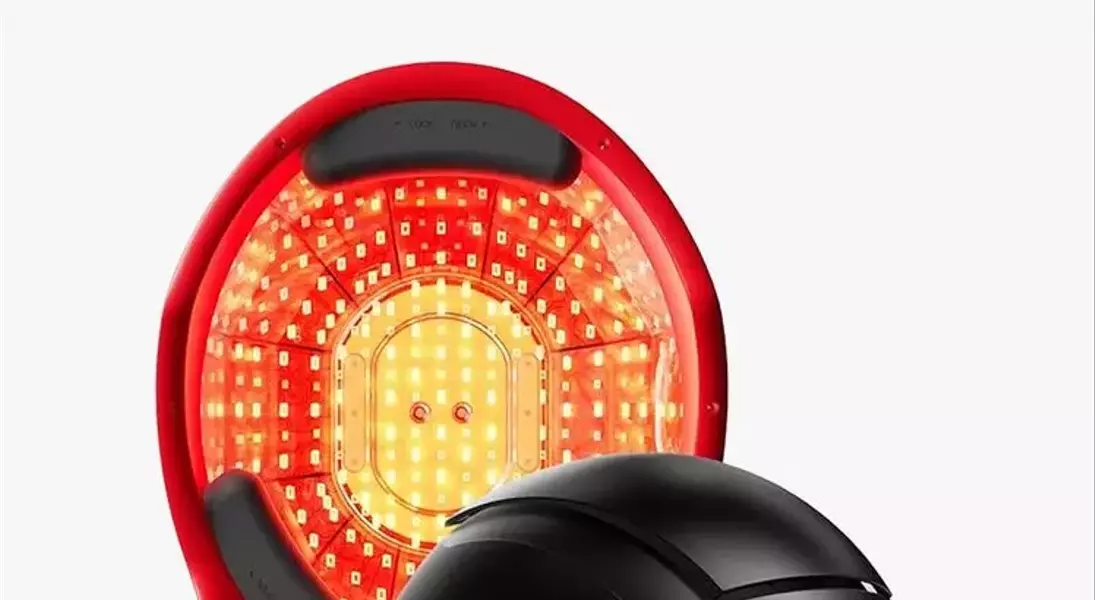
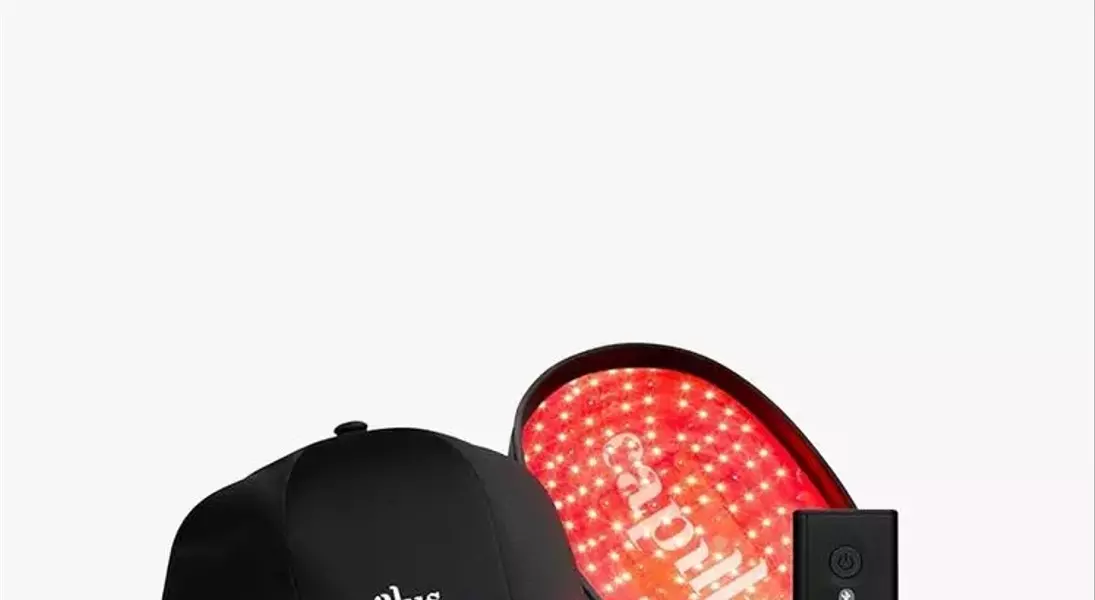
For individuals grappling with the common challenge of hair thinning and loss, particularly in the context of postpartum changes or slow hair growth, red-light therapy presents a promising solution. This comprehensive overview examines the science and practical application of red-light therapy, a method increasingly recognized for its potential to foster hair vitality and density. With a significant percentage of women experiencing postpartum hair concerns, and many more observing a gradual growth rate, understanding effective interventions is paramount. This exploration integrates expert opinions and market trends to illuminate how red light, initially popular for skin rejuvenation, is now emerging as a key player in scalp and hair health.
The efficacy of red-light therapy for stimulating hair follicles and enhancing natural regrowth is substantiated by scientific research. Dr. Ali Shahbaz, a board-certified dermatologist, emphasizes that consistent at-home use, particularly with reputable devices such as caps or helmets, can yield noticeable improvements. The market for red-light therapy is experiencing substantial growth, projected to increase significantly by 2033, driven by a combination of public interest fueled by social media and solid professional endorsement. While it may not instantly grant exceptionally long hair, this therapy is designed to bolster overall hair thickness and density by revitalizing follicles. The article also touches upon the general safety of red-light therapy, noting that side effects are minimal when used correctly, though consulting a dermatologist is advised for individuals with specific medical conditions or light sensitivities.
Optimal results from red-light therapy hinge on several critical factors, including the device's wavelength and power output. Experts like Dr. Carmen Castilla recommend devices emitting wavelengths between 630 to 670nm, with 650nm often cited as ideal, to effectively stimulate hair follicles by boosting circulation and promoting cellular turnover. Furthermore, devices utilizing low-level laser diodes are generally preferred over LED lights due to their superior ability to penetrate deeper into the scalp and target hair follicles more precisely. Consistency in treatment is key, with dermatologists suggesting at least two to three sessions per week for a minimum of six months to assess improvements. It is crucial to understand that any benefits gained from red-light therapy require ongoing use to maintain, as discontinuing treatment may lead to a regression in hair health to its pre-treatment state.
Beyond red-light therapy, a holistic approach to combating hair loss often involves combining various treatments. Dermatologists advocate for integrating topical treatments or oral medications, such as minoxidil, with red-light therapy for enhanced outcomes. Studies indicate that minoxidil, a widely recognized over-the-counter treatment, can significantly improve hair count and accelerate regrowth when paired with red-light therapy compared to either method alone. Additionally, natural interventions like rosemary oil have shown comparable effectiveness to lower concentrations of minoxidil in promoting hair growth, especially when used in conjunction with red light. Early intervention is also highlighted as essential, as most therapies are more effective at preserving existing hair and strengthening it rather than generating new growth.
Understanding the underlying causes of hair loss is fundamental to selecting the most effective treatment plan, often necessitating a multi-faceted strategy. For instance, hair loss linked to environmental factors like stress or poor diet may benefit from products containing peptides, caffeine, rosemary, or ginger root. Conversely, individuals experiencing pattern baldness may find minoxidil more suitable. Addressing nutritional deficiencies with supplements like biotin, zinc, selenium, and iron can also contribute to hair health. Furthermore, practices such as scalp massage, which enhances blood circulation and nutrient delivery to hair follicles, are recommended for optimal hair growth. Consulting a doctor before starting any supplement regimen is crucial to avoid potential interactions or complications with existing health conditions.
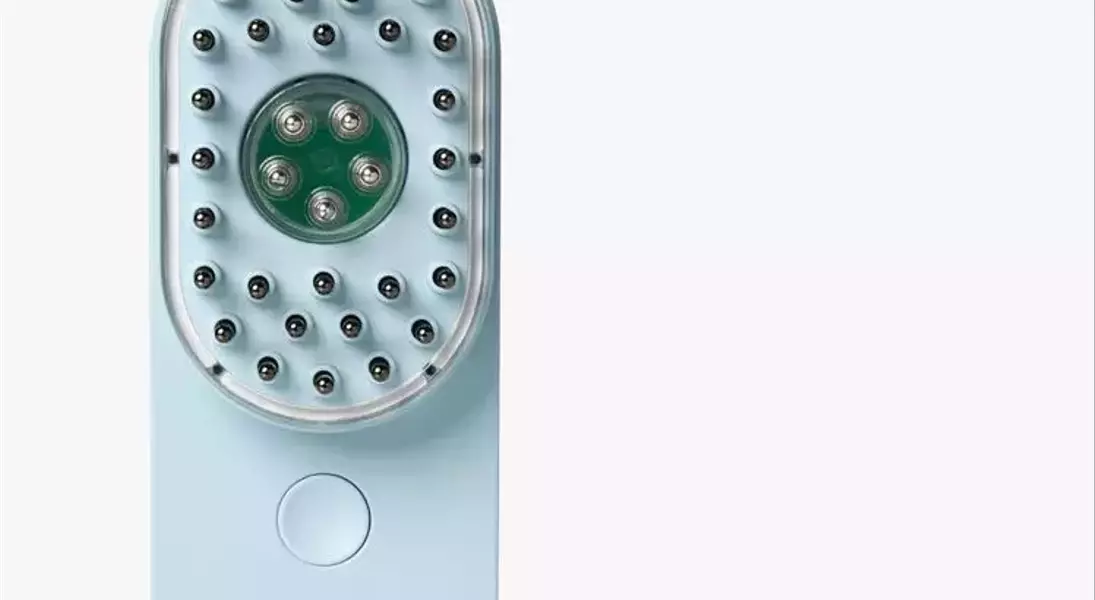
In summary, red-light therapy offers a promising, non-invasive method to address hair loss and thinning, supported by growing scientific evidence and expert endorsement. Its effectiveness is maximized through consistent application and when combined with other hair care strategies, including appropriate topical treatments and a nutrient-rich diet. With a variety of devices available, ranging from helmets to brushes, finding a suitable option for different needs and lifestyles is now more accessible. Embracing this therapy as part of a comprehensive hair health routine can lead to significant improvements in hair density, thickness, and overall vitality.
