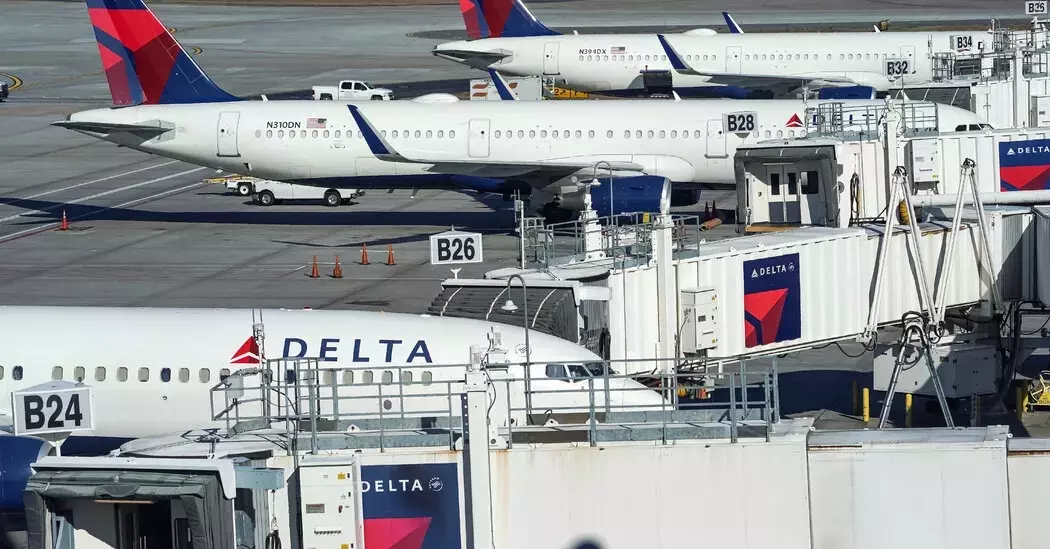
In a safety-first response, a Delta Air Lines flight made an emergency return to Hartsfield-Jackson Atlanta International Airport on Monday morning after the crew reported a potential smoke issue inside the aircraft. The incident led to a prompt evacuation of passengers using slides upon landing. This event highlights the ongoing challenges faced by airlines in ensuring passenger safety amid recent aviation incidents.
Incident Details and Response
In the early hours of Monday, amidst the bustling activity at Hartsfield-Jackson Atlanta International Airport, a Boeing 717 operated by Delta Air Lines was preparing for its routine journey to Columbia, South Carolina. However, shortly after takeoff, around 9:00 AM, the flight crew noticed an unusual haze forming within the cockpit. Recognizing the potential danger, the pilot immediately declared an emergency and initiated procedures to return to the departure airport.
Upon safe touchdown, the aircraft's 94 passengers, along with two pilots and three flight attendants, were evacuated via emergency slides. Two passengers received medical attention on-site, though no serious injuries were reported. Delta Air Lines promptly issued a statement emphasizing their commitment to passenger safety and apologized for the inconvenience caused. The Federal Aviation Administration (FAA) has since announced it will conduct a thorough investigation into the cause of the haze.
This incident adds to a series of recent challenges for Delta and the broader airline industry. Last week, another Delta flight encountered turbulence during landing at Toronto Pearson Airport, resulting in injuries. Additionally, a flight from Los Angeles to Sydney had to make an emergency return due to smoke detected in the galley. These events underscore the critical importance of maintaining rigorous safety protocols in aviation.
From a journalistic perspective, this series of incidents raises important questions about the current state of air travel safety. While airlines continue to prioritize passenger well-being, the frequency of these events suggests a need for enhanced scrutiny and possibly updated safety measures. For travelers, it serves as a reminder that while rare, such occurrences do happen, and preparedness is key. Airlines must maintain transparency and proactive communication to rebuild trust in air travel.
