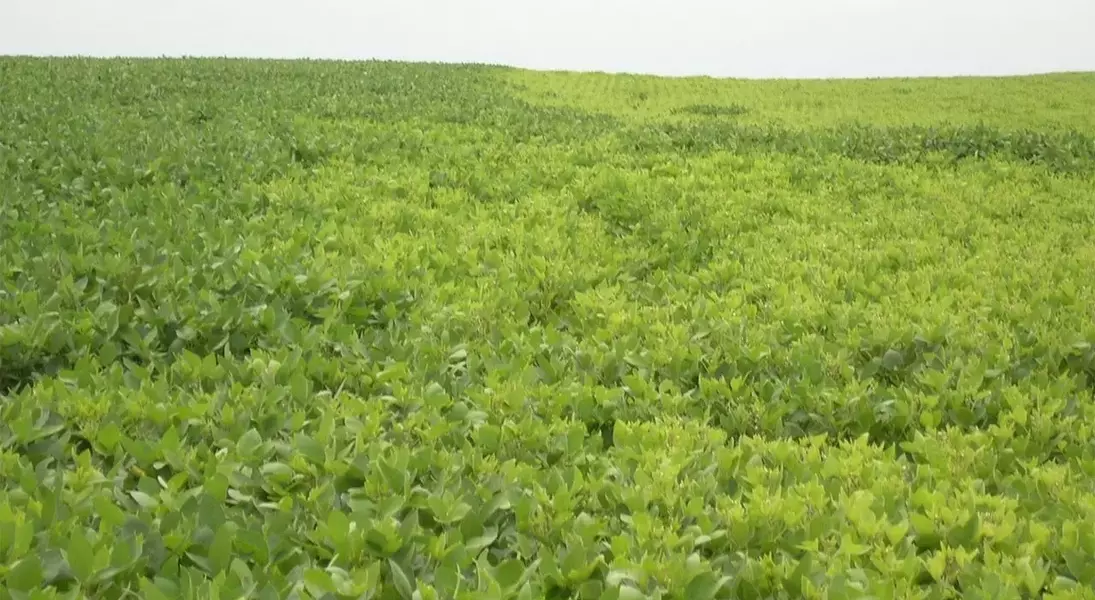
Understanding the visual cues that soybeans present when facing nutritional shortages is vital for effective crop management. This detailed overview, drawing upon expert agricultural knowledge, explains how to distinguish between different nutrient deficiencies based on where and how symptoms first manifest on the plant, enabling farmers to take timely and appropriate action for healthier yields.
Unlock the Secrets to Thriving Soybeans: Identify and Address Nutrient Deficiencies Proactively
Understanding Plant Distress: The Initial Clues to Nutrient Imbalance in Soybeans
Just as a physician diagnoses human ailments, agricultural specialists pinpoint plant health issues. When your soybean crops show signs of distress, identifying the root cause is paramount. According to Dorivar Ruiz Diaz, an Extension nutrient management specialist at Kansas State University, the initial indication of a nutrient deficiency often lies in the specific location of the symptoms on the plant. This observation is key to determining if the problem stems from a mobile or immobile nutrient.
Mobile vs. Immobile Nutrients: Decoding Symptom Location for Accurate Diagnosis in Soybean Plants
The behavior of nutrients within a plant dictates where deficiency symptoms first emerge. Mobile nutrients, which include nitrogen, phosphorus, potassium, and magnesium, can be translocated by the plant from older tissues to newer, actively growing parts when supplies are low. Consequently, their deficiency symptoms typically appear on the lower, older leaves first. In contrast, immobile nutrients such as boron, copper, calcium, iron, manganese, molybdenum, sulfur, and zinc, are not easily moved within the plant. Therefore, a shortage of these elements will typically be noticeable on newer growth, even if older parts of the plant contain sufficient levels.
Nitrogen Deficiencies in Soybeans: Recognizing Pale Green Foliage and Understanding Its Causes
One of the most frequently observed nutrient deficiencies in soybeans is nitrogen. Plants suffering from a lack of nitrogen exhibit a pale green or chlorotic appearance, initially affecting the lower leaves. This occurs because the plant prioritizes nitrogen allocation to new growth. Soybeans efficiently absorb nitrogen from the soil, which requires less energy than their symbiotic nitrogen fixation process within root nodules. Both sources are critical for this nitrogen-intensive crop. Poor nodulation is often a contributing factor to nitrogen deficiency.
Iron Deficiency and Its Impact on Nitrogen Fixation in Soybean Crops
Iron deficiency in soybeans can lead to a secondary nitrogen deficiency. Iron plays a crucial role in the formation and proper functioning of root nodules, which are essential for nitrogen fixation. When iron is lacking, the plant's ability to fix atmospheric nitrogen is impaired. This deficiency often manifests as chlorosis and can be exacerbated by high soil pH or other plant stressors, with its severity fluctuating annually even in the same field. While prevalent in certain regions like western Kansas, it can also occur in other areas, though less commonly in the eastern Corn Belt.
Magnesium Deficiency: Spotting the Bronze Speckle on Lower Soybean Leaves
When soybeans are deficient in magnesium, their lower leaves turn pale green with yellow mottling between the veins. In advanced stages, the leaves may develop a characteristic speckled bronze appearance. This particular deficiency is more frequently encountered in fields with very sandy soil types, where magnesium retention can be challenging.
Manganese and Phosphorus Shortages: Identifying Stunted Growth and Delayed Development in Soybeans
Manganese deficiency in soybeans is indicated by stunted plant growth and chlorosis occurring between leaf veins. This issue commonly arises in soils with a pH of 7.0 or higher, on sandy soils, or in areas with high organic matter content (6.0% or more). For phosphorus deficiency, symptoms include stunted growth, a dark green coloration of leaves, necrotic spots, purple discoloration, and leaf cupping, primarily affecting older leaves. Additionally, a lack of phosphorus can hinder the plant's blooming process and delay its overall maturity. This deficiency is often more apparent during cool, wet soil conditions due to reduced phosphorus uptake by the plants.
Potassium and Sulfur Deficiencies: Key Indicators for Maintaining Optimal Soybean Health
Soybean plants demand substantial amounts of potassium for healthy development. A potassium deficiency is characterized by chlorosis along the leaf margins and between the veins. In severe instances, nearly all leaves except the very youngest may display these symptoms. Sulfur deficiency, similar to nitrogen deficiency, presents as stunted plants with a pale green hue; however, the chlorosis is more prominent on the upper leaves. This issue is increasingly observed with the cultivation of high-yielding soybean varieties. Since plant-available sulfur is released from organic matter, deficiencies are most likely to occur under cool, wet conditions or in sandy soils with low organic matter content, emphasizing the importance of monitoring these vital nutrients for vigorous soybean growth.
