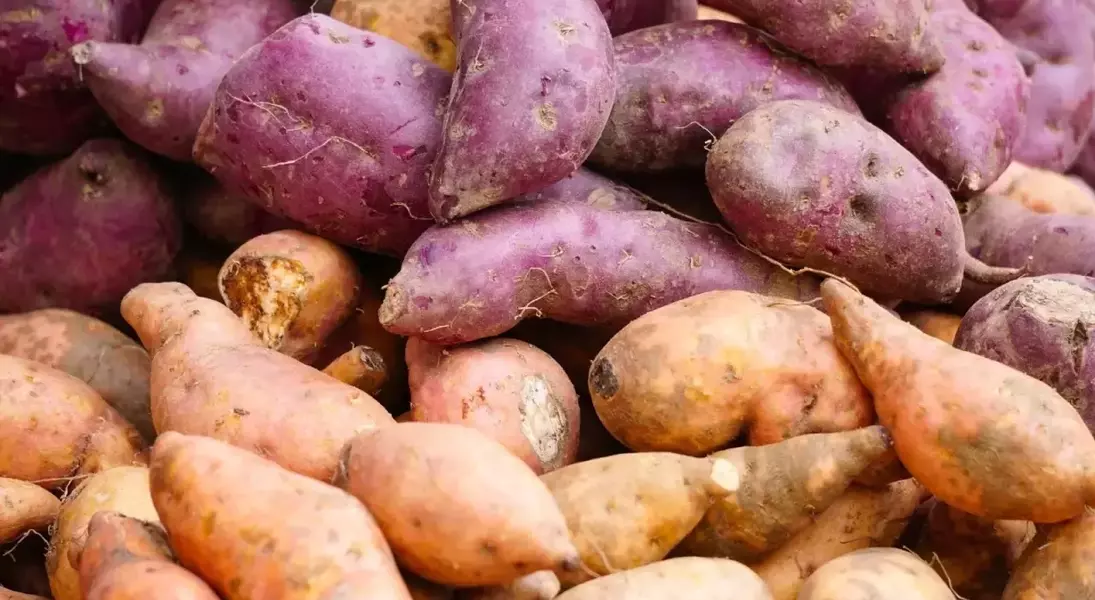
Sweet potatoes, scientifically classified as Ipomoea batatas, represent more than just a culinary delight; they embody a symbol of agricultural endurance and nutritional wealth. Their remarkable ability to thrive in diverse environments and contribute significantly to human well-being underscores their importance as a global food source. As our planet undergoes climatic shifts, the inherent adaptability of this ancient crop positions it as a cornerstone for sustainable agriculture and food security worldwide, offering not only sustenance but also a robust market presence for growers.
This versatile plant, cultivated for millennia, is a testament to nature's ingenuity, providing a rich tapestry of varieties suited to various growing seasons. Beyond their culinary applications, sweet potatoes offer a spectrum of health benefits, acting as a valuable dietary component. Their cultivation practices, ranging from traditional field planting to modern greenhouse techniques, highlight their flexibility, making them accessible to farmers across different scales and regions. Understanding their historical journey, health advantages, and cultivation nuances reveals why these tubers are an indispensable part of our agricultural future.
The Enduring Legacy and Nutritional Power of Sweet Potatoes
Sweet potatoes are not merely a crop but a venerable institution in the agricultural landscape, deeply rooted in the history of the Americas. Their resilience and ability to adapt to a myriad of environmental conditions, including those brought about by climate change, solidify their position as a crucial food source. Farmers increasingly recognize the immense value of integrating this robust plant into their operations, acknowledging its economic potential and its vital role in fostering food resilience. The botanical classification, Ipomoea batatas, hints at a species that has journeyed across continents and centuries, becoming a staple in countless diets and a boon for global agriculture.
The journey of the sweet potato, from its wild origins in the regions spanning the Yucatan to the Orinoco River, illustrates a fascinating narrative of natural dispersion and human intervention. While colonial expansions played a role in its spread, ancient Mesoamerican navigators were instrumental in introducing this valuable plant to Oceania, highlighting its intrinsic ability to travel and adapt. Over countless generations, through both natural selection and deliberate human cultivation, numerous varieties of sweet potatoes have emerged. Today, these encompass a wide array of types, celebrated not only for their edible tubers but also for their ornamental beauty, demonstrating their profound versatility and enduring appeal across diverse climates and cultures.
Cultivation Insights and Healthful Contributions
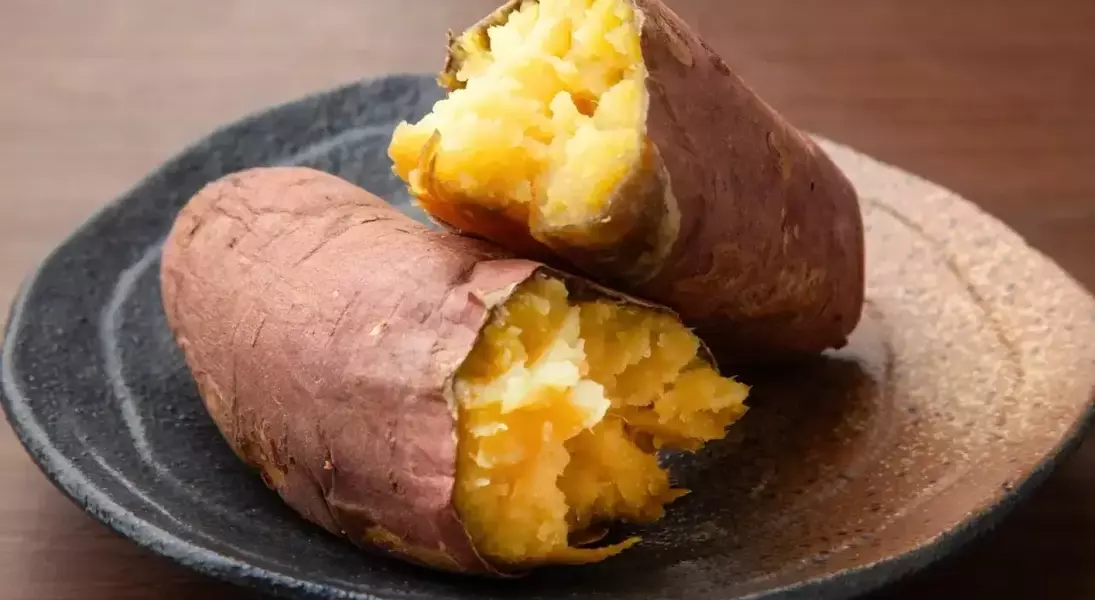
Sweet potatoes are gaining recognition as a superior dietary choice, offering a healthier alternative to conventional potatoes due to their unique carbohydrate profile that provides sustained energy without sharp blood sugar spikes. These tubers are replete with essential nutrients, enhancing the body's absorption of critical fat-soluble vitamins and supporting robust liver function and iron assimilation. Beyond the root, the leaves of the sweet potato vine possess remarkable therapeutic qualities, including potent anti-cancer and anti-inflammatory compounds, according to contemporary research. Extracts from the entire plant show promise in managing diabetes and combating microbial infections, cementing the sweet potato's status as a calorie-dense, nutrient-rich food ideal for both daily consumption and emergency food systems due to its high heat tolerance and drought resistance.
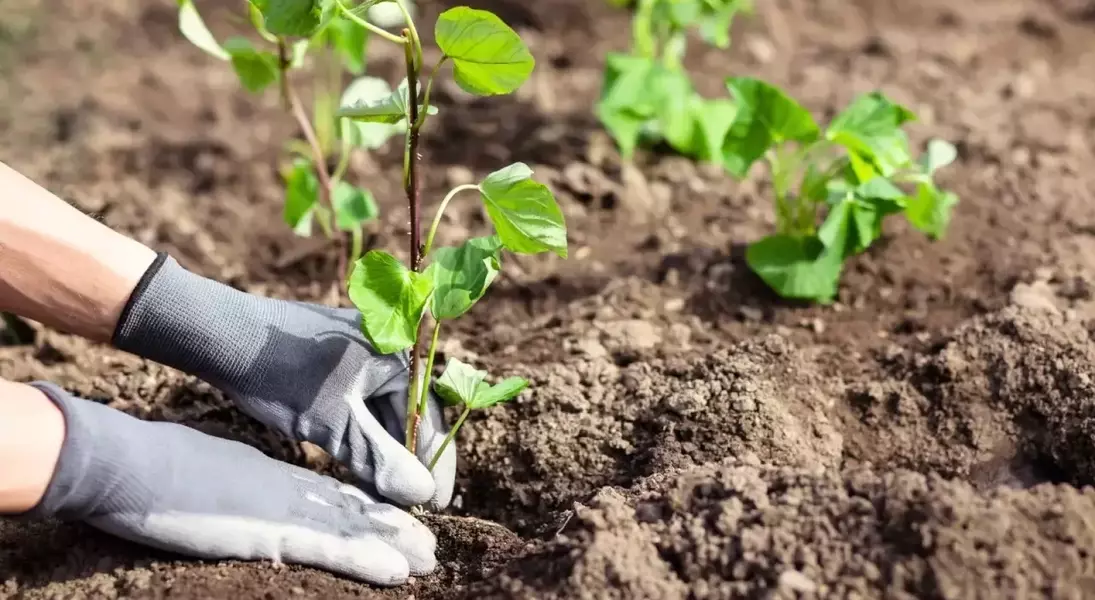
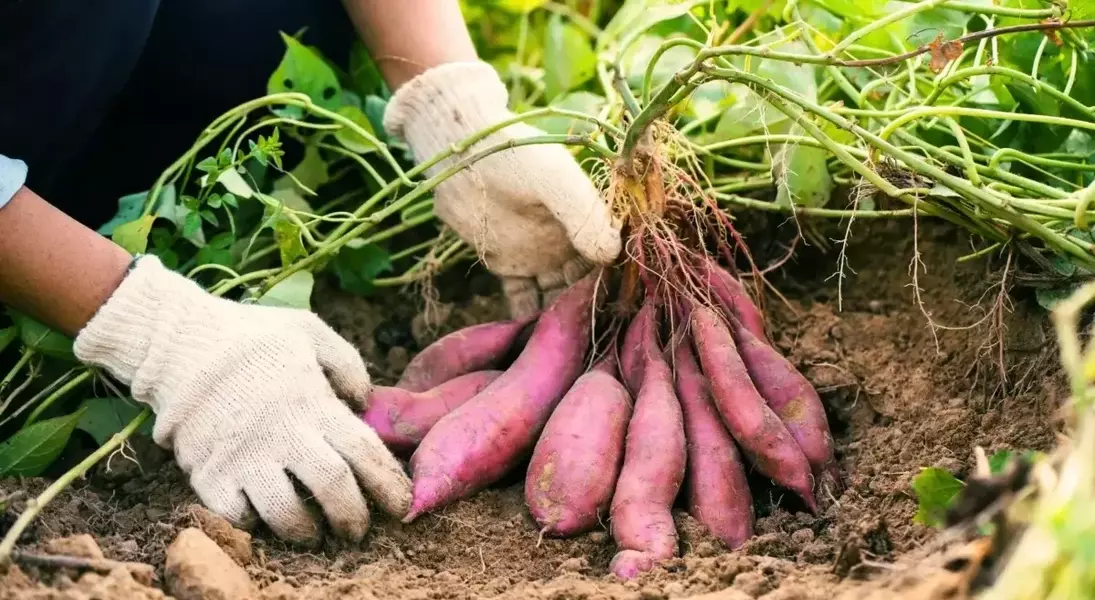
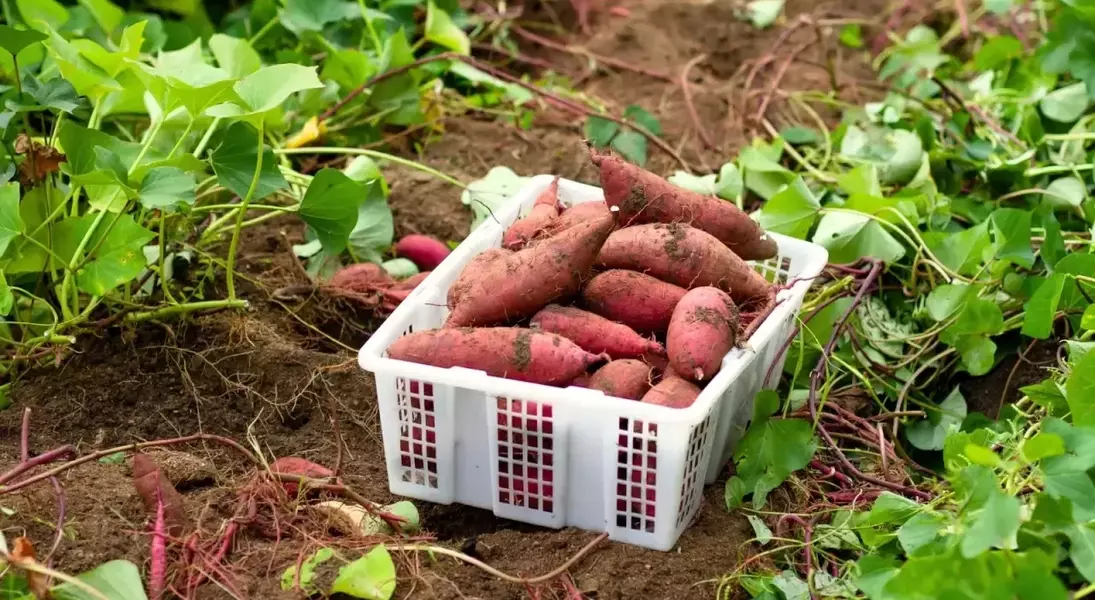
Cultivating sweet potatoes effectively involves understanding their distinct growth habits and environmental needs. Whether opting for vining varieties that spread expansively or compact bush types, proper soil preparation is paramount. Each plant thrives when allocated a three to four-foot growing area, with large containers (20 gallons or more) suitable for smaller-scale cultivation, accommodating four to five slips. Timely planting is crucial; slips should be introduced to the soil when temperatures consistently remain between 70 to 80°F (21-27°C) and air temperatures are above 50°F (10°C), particularly for regions with shorter warm seasons. While well-drained soil enriched with compost is ideal, the sweet potato's adaptability means it can produce abundantly even in less fertile conditions, provided there is adequate drainage and consistent moisture during the initial establishment phase, followed by increased drought tolerance. Implementing a drip irrigation system with a rain sensor can optimize watering, preventing cracking and promoting uniform tuber development. Harvesting requires careful handling, gently digging around the bed's perimeter to prevent damage. A post-harvest curing period of one to two weeks at 80°F (27°C) with good air circulation prepares the tubers for market or long-term storage in cool, 50°F (10°C) environments. Vigilance against pests like flea beetles, best mitigated with row covers, and diseases such as scurf and black rot, which are prevented through proper cultural practices, ensures a healthy and prolific yield, often resulting in tubers of impressive size alongside standard ones.
