

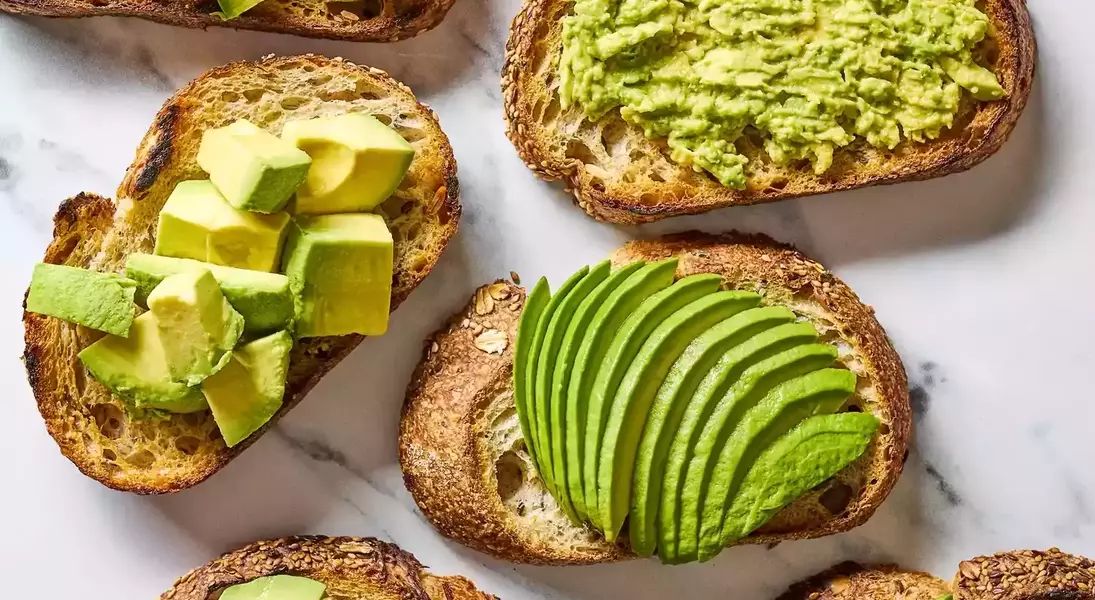
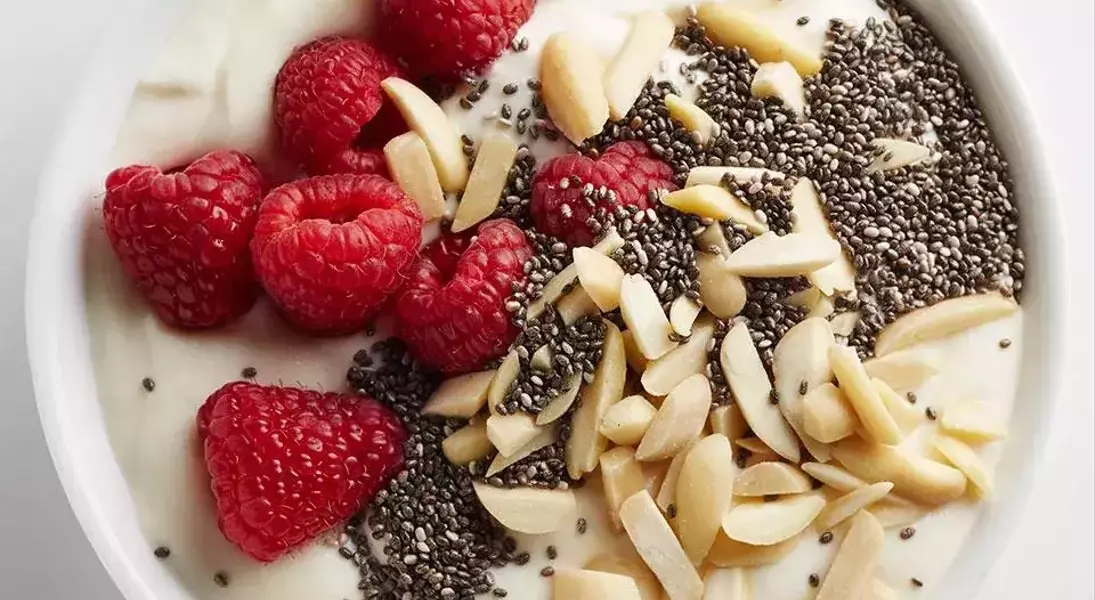
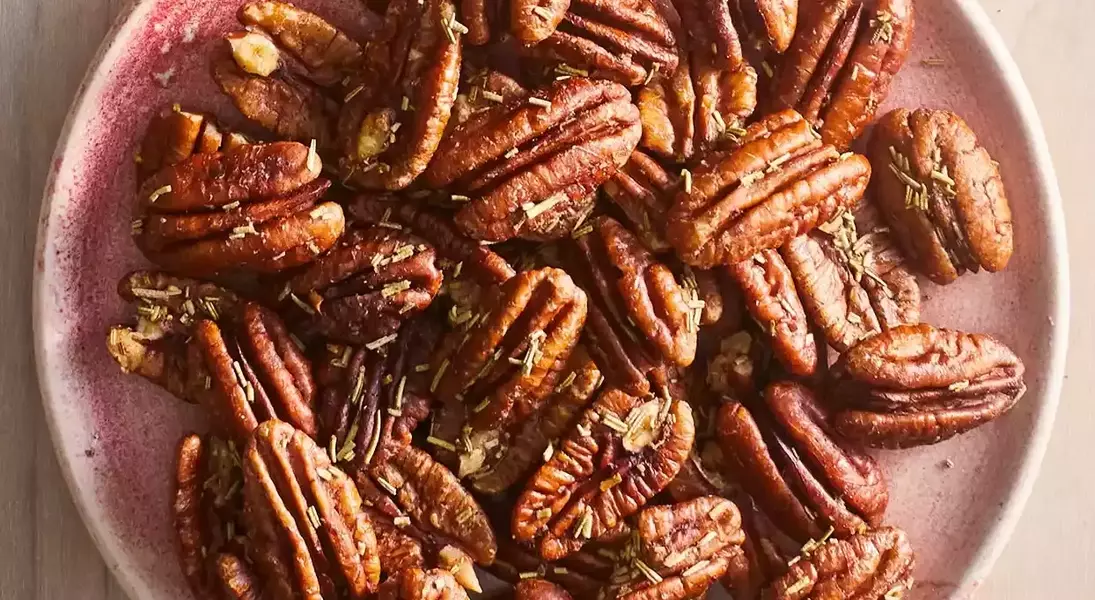
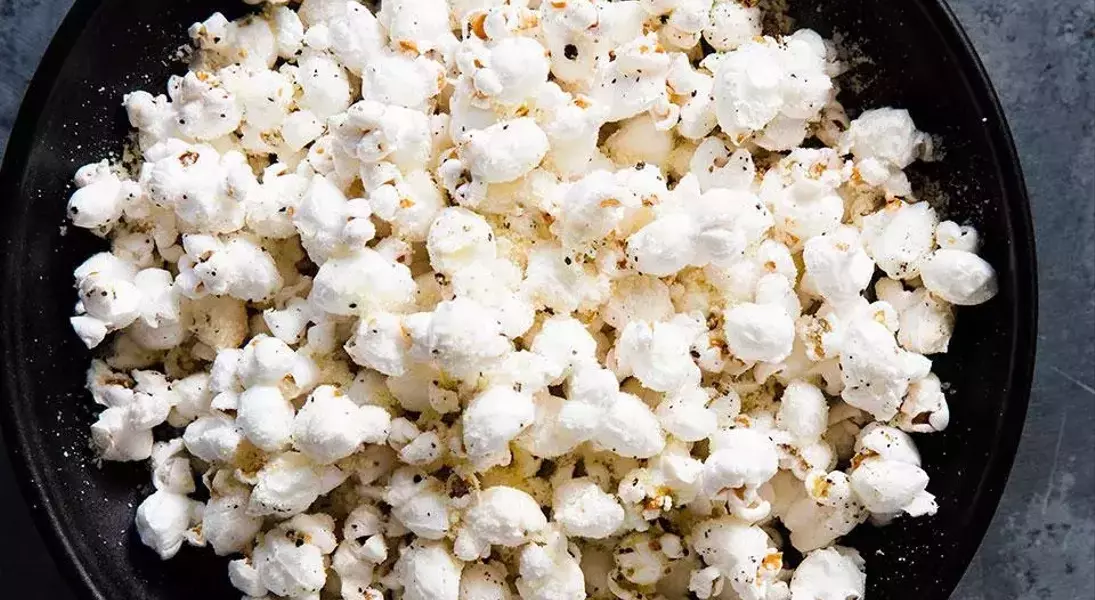
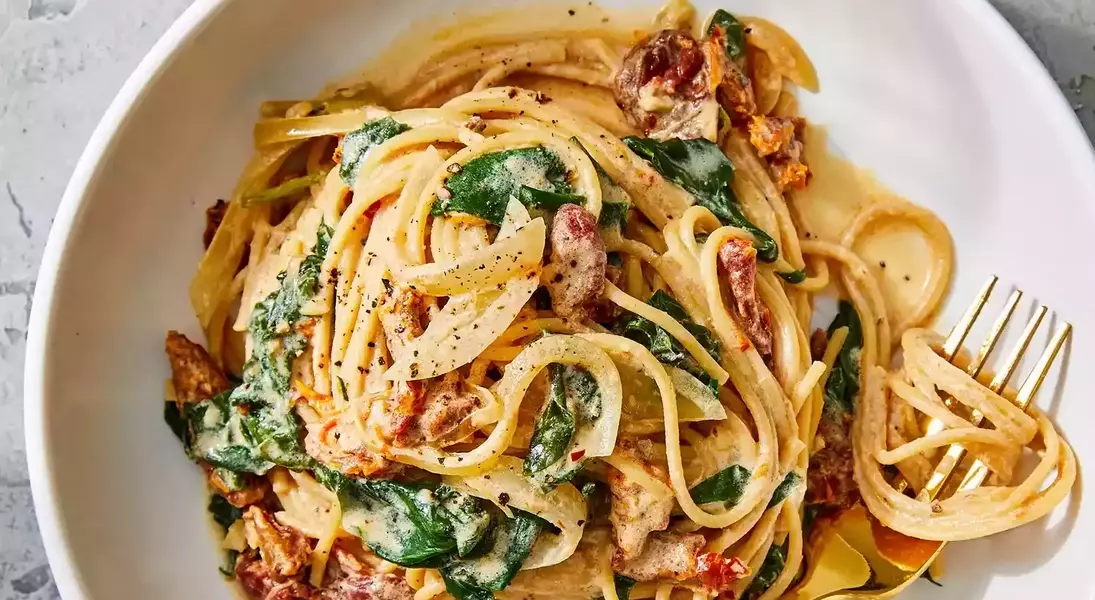
When striving for a healthier body composition, particularly targeting the reduction of visceral fat, many individuals mistakenly eliminate certain nutrient-rich foods from their diets. Contrary to popular belief, dietitians emphasize that avocados, full-fat dairy, nuts, popcorn, pasta, and fruits are not only beneficial but can actively support visceral fat loss when consumed as part of a balanced nutritional strategy.
Understanding the distinction between subcutaneous and visceral fat is crucial for effective fat loss. While subcutaneous fat is visible just beneath the skin, visceral fat, which wraps around vital organs, poses significant health risks such such as high cholesterol, insulin resistance, and increased risk for cardiovascular disease and type 2 diabetes. Dietitians advocate for incorporating specific foods that are often unfairly categorized as "bad," recognizing their valuable contributions to satiety and metabolic health. These foods contain essential healthy fats, fiber, and protein, all of which play key roles in managing weight and reducing visceral fat.
Ultimately, achieving visceral fat loss extends beyond mere dietary adjustments; it necessitates a holistic approach to health. While strategic food choices are foundational, embracing a comprehensive lifestyle that includes adequate sleep, effective stress management, and consistent physical activity is equally vital. Engaging in both cardiovascular exercises and strength training, alongside maintaining a slight caloric deficit, collectively fosters an environment conducive to fat reduction and overall well-being. Focusing on a balanced eating pattern that integrates these beneficial foods, rather than eliminating them, empowers individuals to achieve sustainable health goals and mitigate the risks associated with excess visceral fat.
