Making a conscious effort to cut down on alcohol can significantly improve one's health and overall well-being. Alcohol, even in moderate amounts, can adversely impact various bodily functions, from sleep patterns and emotional stability to digestive health and energy levels, alongside elevating the risk of chronic illnesses. By proactively changing evening habits, individuals can effectively break the cycle of automatic alcohol consumption. This transformative approach replaces old routines with constructive alternatives, leading to a more intentional and healthier lifestyle. Engaging in new activities or incorporating alcohol-free alternatives can help rewire the brain's responses, making it easier to reduce or eliminate alcohol, thereby enhancing health outcomes.
The path to reducing alcohol intake involves more than just willpower; it necessitates a strategic shift in daily practices. Experts emphasize that integrating new, positive behaviors into one's nightly routine is crucial. These new habits serve to replace the established cues, cravings, and rewards associated with drinking, offering a sustainable way to maintain a healthier relationship with alcohol. Whether through physical activity, mindful relaxation, or the enjoyment of non-alcoholic beverages, these alternative strategies are designed to fulfill the underlying needs that alcohol once addressed, fostering genuine well-being and reducing dependence on alcoholic drinks for relaxation or social engagement.
The Strategic Role of Evening Rituals in Minimizing Alcohol Intake
For many, alcohol consumption becomes an entrenched part of the evening, often as a mechanism to unwind or socialize. This deeply ingrained habit forms a neural loop—a predictable sequence triggered by specific cues, leading to a craving, a response (drinking), and a perceived reward (relaxation). Over time, this cycle operates on autopilot, making it challenging to break free. However, by consciously introducing a new, engaging nightly routine, individuals can effectively interrupt this habit loop. This deliberate change creates new neural pathways, making the choice to forgo alcohol a more mindful and less automatic decision. The shift from a passive habit to an active choice empowers individuals to align their drinking habits with their broader health objectives, transforming the evening from an occasion for drinking into an opportunity for personal growth and well-being.
The habit of consuming alcohol, particularly in the evening, often stems from a desire to relax or to mark the transition from work to leisure. This routine can become deeply ingrained, functioning as an automatic response to daily stressors or social cues. Breaking this cycle is not merely about abstaining but about re-engineering the brain's response patterns. By replacing alcohol-centric activities with new, positive evening rituals, individuals can disrupt the established habit loop at multiple points. This might involve engaging in activities that naturally alleviate stress, such as exercise, or adopting new practices that provide similar comfort and satisfaction without alcohol. The aim is to make the decision to drink less a conscious, empowered choice rather than a struggle against an entrenched habit, thereby promoting greater intentionality and control over one's alcohol consumption habits.
Cultivating Healthier Alternatives for Evening Enjoyment
Developing a new evening routine that effectively reduces alcohol consumption hinges on finding healthy alternatives that fulfill the same needs previously met by drinking. One highly effective strategy is incorporating physical activity into your evening. Gentle movement, such as a brisk walk or a session of pickleball, not only helps to alleviate stress but also signals a definitive end to the workday, diverting attention from the urge to drink. Research suggests that even short bursts of aerobic exercise can diminish alcohol cravings, offering a natural mood boost and a change of environment that breaks the association between evening and drinking. This approach leverages the physiological benefits of exercise to create a positive feedback loop, replacing the transient relief from alcohol with sustainable feelings of well-being and accomplishment.
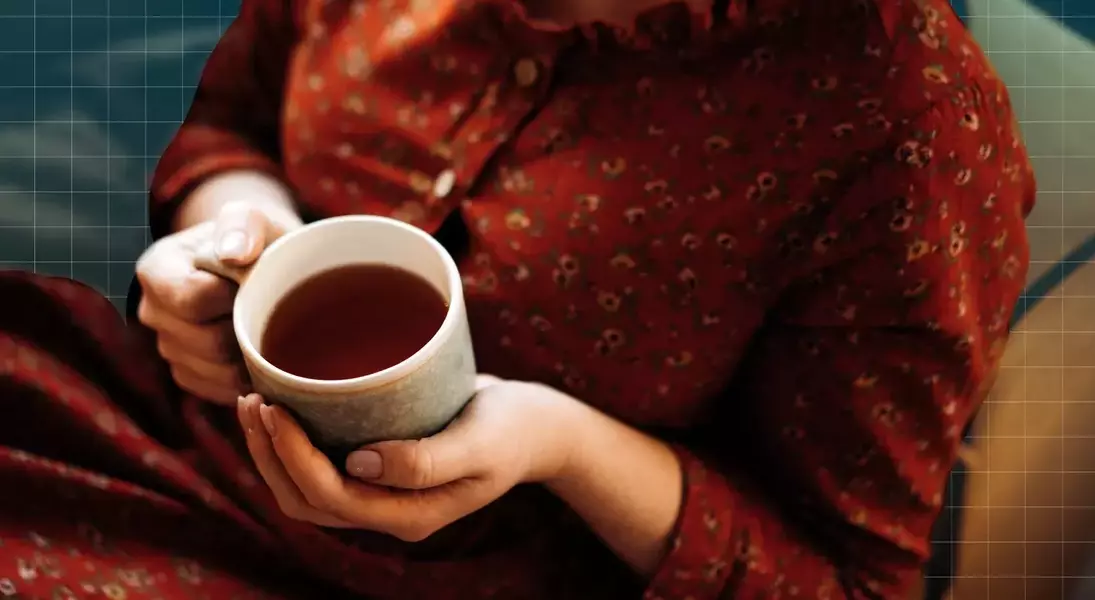
Beyond physical activity, exploring non-alcoholic beverages provides a direct and enjoyable substitute for those who appreciate the ritual of preparing and savoring a drink. Opting for non-alcoholic beers, wines, or creative mocktails allows individuals to participate in social gatherings or nightly wind-downs without the need for alcohol. Experimenting with recipes like a Tart Cherry Nighttime Mocktail or a Mojito Mocktail can make this transition exciting and palatable. Furthermore, cultivating genuinely relaxing activities, such as warm showers, reading, stretching, or sipping herbal tea, supports the parasympathetic nervous system, promoting a natural state of calm. These practices offer authentic relaxation and stress reduction, unlike alcohol, which can paradoxically increase cortisol levels and impair the brain's stress-coping mechanisms over time. By embracing these multifaceted strategies, individuals can build a robust, alcohol-free evening routine that is both satisfying and health-promoting.
