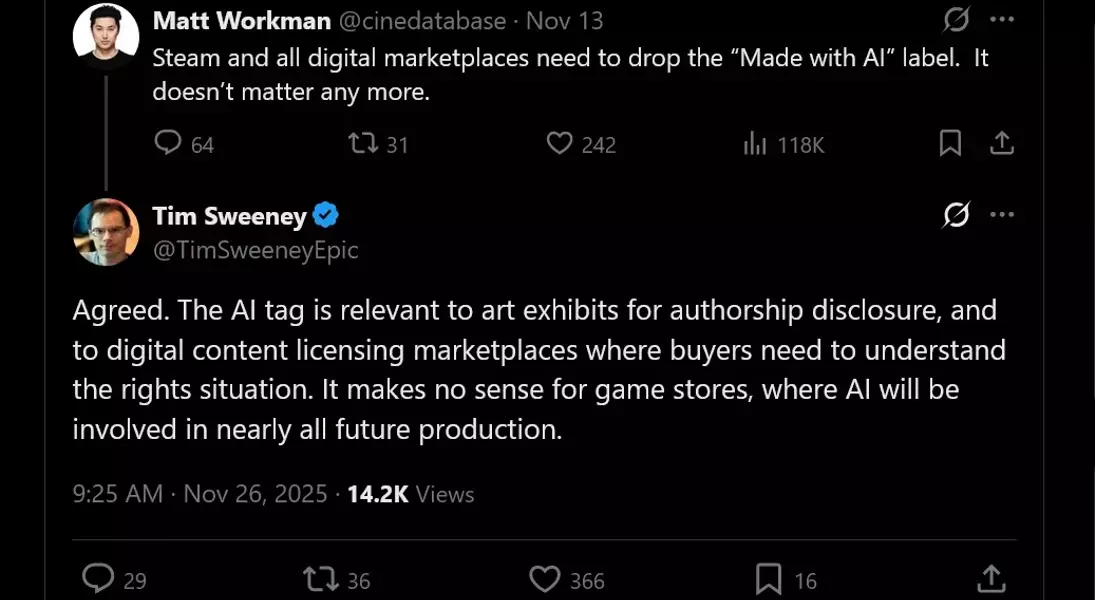

The integration of generative artificial intelligence (AI) into various industries, particularly video games, has sparked a significant debate regarding transparency and consumer rights. A central point of contention revolves around the necessity of disclosing AI's involvement in content creation. While some industry figures argue against such mandates, citing AI's inevitable and widespread adoption, others emphasize the importance of informing consumers about the origin of digital content. This discourse highlights concerns ranging from potential plagiarism and ethical considerations to environmental impact, underscoring the complexities of navigating AI's evolving role in creative fields.
The debate extends to how AI-generated content is perceived and valued by the public. As AI tools become more sophisticated, the line between human-made and machine-generated creations blurs, raising questions about authenticity, originality, and artistic integrity. For consumers, the ability to distinguish between these forms of content can influence their appreciation, trust, and ultimately, their purchasing decisions. This emphasizes the need for clear guidelines and disclosures that empower consumers to make informed choices in an increasingly AI-driven landscape.
The Necessity of AI Disclosure in Gaming
The discussion surrounding AI disclosure in gaming centers on Epic Games CEO Tim Sweeney's critique of Steam's policy, which mandates developers to reveal their use of generative AI. Sweeney likens this requirement to trivial disclosures, suggesting it's impractical given AI's anticipated ubiquity in future game development. He contends that AI's deep integration will render such disclosures meaningless, as nearly all aspects of game production could involve AI, from conceptual art to coding snippets and marketing materials. However, this perspective overlooks the fundamental consumer desire for transparency regarding the creative process behind the games they purchase.
From a consumer standpoint, the demand for AI disclosure is far from frivolous. It stems from legitimate concerns about the ethical implications of AI, particularly accusations of automating plagiarism by training models on copyrighted material without explicit consent. Furthermore, the significant energy consumption of AI data centers raises environmental questions that consumers may consider important. While pinpointing individual responsibility for these broader issues is challenging, the cumulative impact is undeniable. Therefore, a disclosure policy serves as a vital mechanism for informing consumers about how games are made, allowing them to align their purchasing choices with their values regarding artistic integrity, ethical sourcing, and environmental consciousness. The complexity of AI's application, from minor internal tools to core content creation, necessitates a nuanced disclosure framework rather than an outright dismissal of the need for transparency.
Ethical and Consumer Concerns with Generative AI
The burgeoning use of generative AI in content creation, especially within the gaming sector, brings forth a myriad of ethical and consumer concerns that underscore the need for transparent disclosure. At the core of these concerns is the question of originality and intellectual property. Generative AI models often rely on vast datasets that include copyrighted material, leading to credible accusations of automated plagiarism. OpenAI, a leader in AI development, has acknowledged that its products leverage copyrighted content, asserting fair use—a claim that is often contested. This legal and ethical gray area highlights the potential for AI-generated content to dilute original creative efforts and raises questions about compensation and recognition for human artists whose work forms the foundation for AI training.
Beyond legal and ethical considerations, consumers are increasingly interested in the human element of creative works. They want to know whether the art, music, narratives, and character voices in games are the product of human imagination and skill or if they have been generated or significantly influenced by AI. This preference isn't about rejecting technology but about valuing the unique qualities of human creativity and the narrative it embodies. Instances where AI-generated assets have been perceived as 'mangled' or of lower quality, such as the infamous 'six-fingered Santa' in Call of Duty, further solidify the argument for disclosure. Such examples suggest that developers might be using AI to cut corners, impacting the authenticity and quality of the gaming experience. Ultimately, mandatory AI disclosure serves as a crucial tool for empowering consumers to make informed decisions, ensuring they can support games that align with their expectations for human creativity, ethical production, and overall quality, rather than unwittingly endorsing practices that may compromise these values.
