
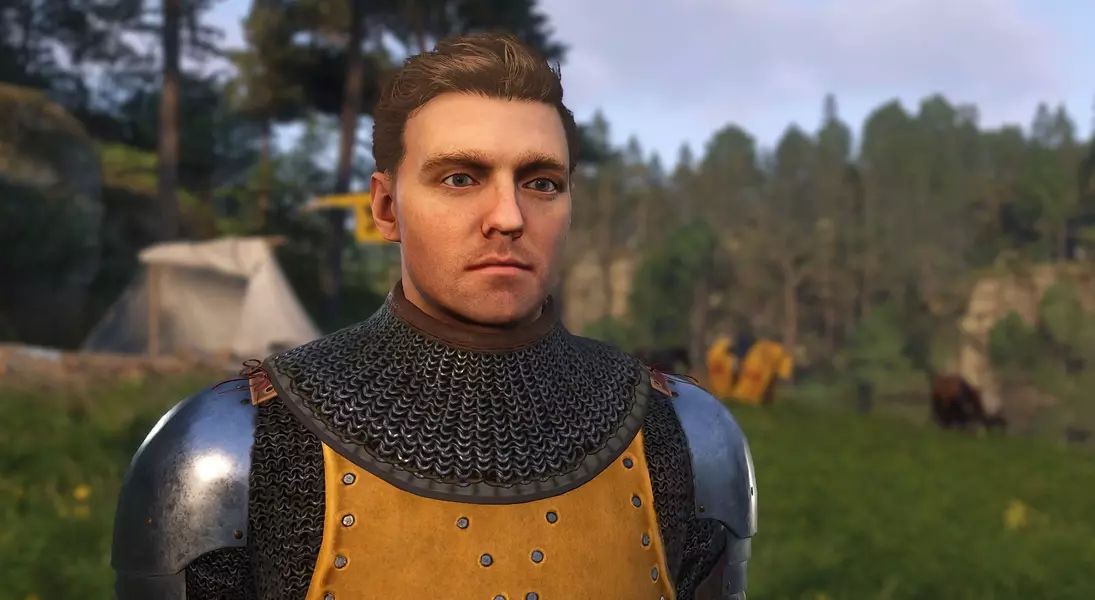
The gaming community is currently embroiled in a significant discussion regarding Nvidia's latest AI-driven rendering technology, DLSS 5. Initially met with skepticism and concerns about its potential to distort character appearances, the technology has found an unexpected champion in Daniel Vávra, formerly of Warhorse Studios. He asserts that DLSS 5 delivers a substantial visual enhancement, particularly in character lighting, for titles such as Kingdom Come: Deliverance 2, without fundamentally altering their original designs. This perspective challenges the prevalent "uncanny valley" critiques and opens up a broader dialogue on the integration of artificial intelligence in artistic and technical aspects of game creation.
Vávra's defense of DLSS 5 centers on its ability to refine existing visual elements rather than introduce artificial changes. He explains that the technology leverages normal maps to create superior skin textures and facial nuances, outperforming conventional in-game lighting models. Crucially, Vávra emphasizes that DLSS 5 maintains the core geometry of characters, meaning it does not reshape faces or physical forms. Instead, its primary function lies in enhancing ambient occlusion, a technique that intelligently calculates shadows based on environmental light, thereby adding depth and realism to objects and characters within the game world. This nuanced application, according to Vávra, moves beyond simple dehazing filters, offering a more sophisticated graphic improvement.
Despite Vávra's passionate arguments, which he clarified are independent of any current corporate affiliation, the community remains divided. While some acknowledge the visual improvements highlighted in his observations, others maintain a cautious stance. Critics often point to the visual discrepancies observed in early video demonstrations of DLSS 5, suggesting that relying solely on screenshots might not fully capture the technology's potential drawbacks. A key concern revolves around the AI's interpretive nature; if DLSS 5's rendering is based purely on existing frames, some argue that its generated lighting effects could be speculative, producing details that do not genuinely correspond to realistic shadow physics. This potential for "fake" realism fuels the apprehension among a segment of the gaming audience.
Further anxieties emerge from the perceived lack of developer control over AI enhancements. Some fear that an over-reliance on DLSS 5 could incentivize studios to release games that are less polished or have received less human artistic intervention. One Reddit commenter encapsulated this sentiment by drawing a parallel to Unreal Engine 5, predicting that while a few studios might master the new tools, many others might opt for the easier, AI-driven path, potentially leading to a decline in overall game quality. Vávra, however, counters these views, suggesting that such "AI slop" detractors misunderstand the technology's true purpose: to help developers realize their artistic visions more efficiently. He argues that AI tools are becoming indispensable in modern game development, accelerating complex processes and allowing creators to achieve more in less time, ultimately bringing games closer to their intended aesthetic and functional goals.
As the debate continues, with some videos purportedly demonstrating the "uncanny valley" effect still circulating, Vávra cautions against believing unverified content, implying that specific tester settings might influence the perceived realism of DLSS 5. The true impact and acceptance of this technology will likely remain a subject of intense discussion until its widespread release, at which point players and developers alike can fully evaluate its contributions to the gaming landscape and its implications for the future of interactive entertainment.
