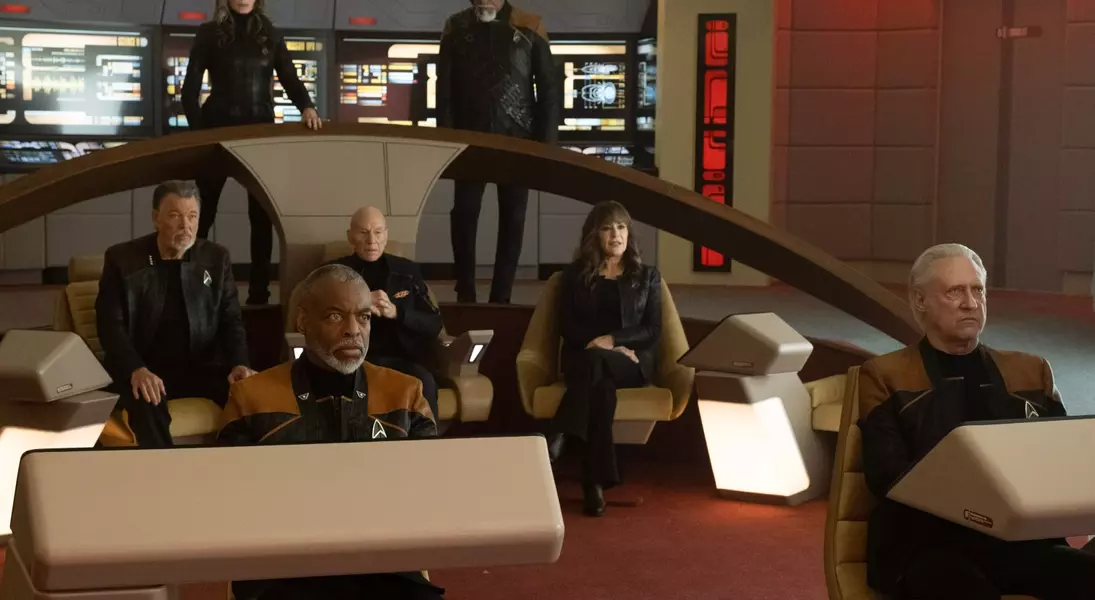

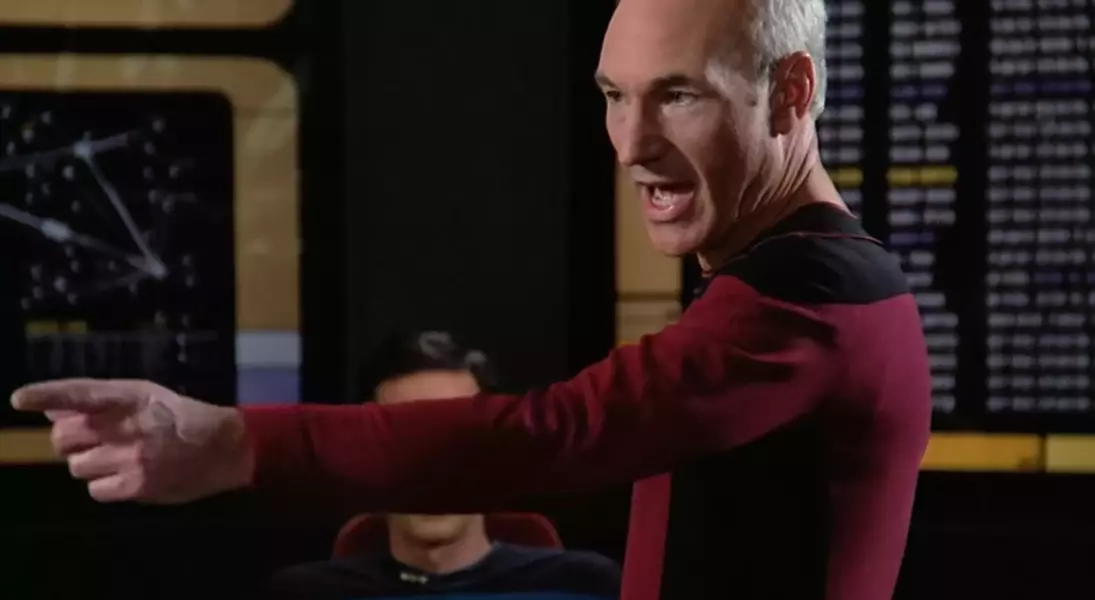
Captain Jean-Luc Picard of 'Star Trek' fame is often lauded as the franchise's most cherished leader, not primarily for his strategic brilliance or decisive commands, but for his deeply human qualities: sharp intellect, diplomatic skill, insatiable curiosity, and profound compassion. While iconic phrases like “Make it so” or “Engage” are synonymous with his command, it is a quieter, more personal sentiment from 'The Next Generation' episode “The Inner Light” that truly encapsulates his enduring appeal. This episode reveals the man beneath the uniform, profoundly shaped by an extraordinary, simulated lifetime. It underscores 'Star Trek's' unique ability to explore universal human experiences through the lens of science fiction, making us ponder the essence of time and the depth of empathy.
The Profound Journey of Kamin: An Exploration into the Depths of Picard's Character
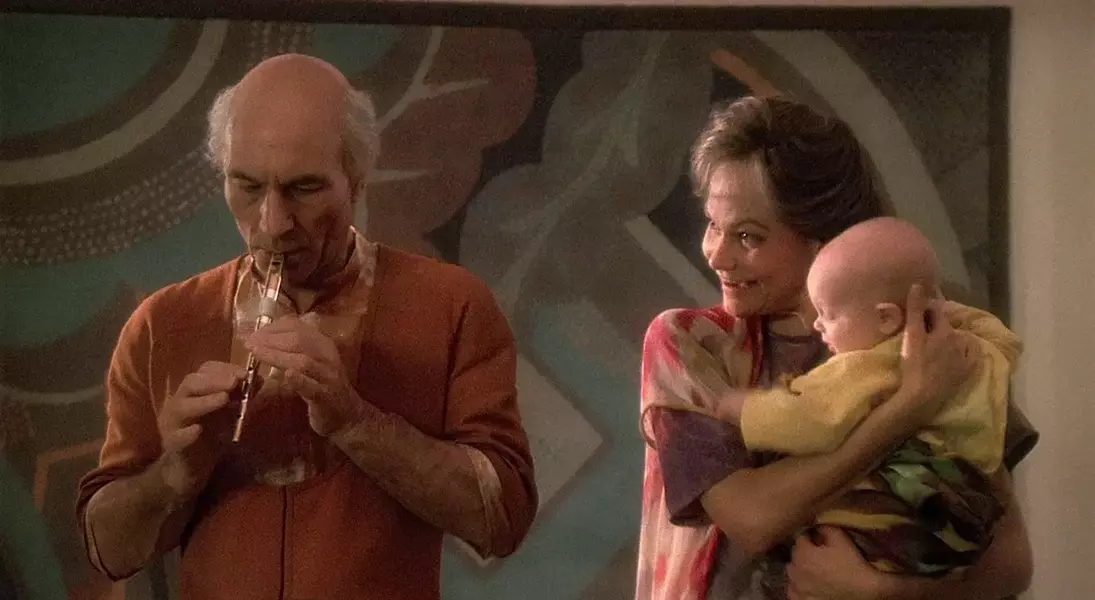
In the seminal 'Star Trek: The Next Generation' episode, “The Inner Light,” which first graced screens on June 1, 1992, audiences witnessed an extraordinary transformation. Captain Jean-Luc Picard, aboard the USS Enterprise, encountered an enigmatic alien probe. This probe, with its mysterious energy beam, plunged Picard into an intricate simulation, allowing him to live an entire alternate existence. Within the span of mere minutes on the Enterprise, Picard experienced decades as Kamin, an iron weaver on the distant planet Kataan. During this simulated lifetime, he embraced love, raised a family, witnessed his children's growth, and mastered the melancholic melodies of the ressikan flute. Crucially, he confronted the agonizing reality of Kataan's sun slowly dying, a poignant metaphor for life's fleeting nature.
It was in this simulated life, near its conclusion, that Kamin imparted a profound wisdom to his daughter: “Seize the time... Live now. Make now always the most precious time. Now will never come again.” This timeless advice, though spoken by Kamin, became a cornerstone of Picard's character, illustrating his inherent capacity for empathy. The episode brilliantly portrays how Picard, upon his return to the Enterprise, carried not just memories, but the lived experience and emotional weight of an entire civilization's history, preventing their legacy from fading into oblivion. The presence of Kamin’s flute on the Enterprise served as a tangible link, a constant reminder that Kataan was not merely a vision, but a deeply felt home. This narrative masterpiece underscores that Picard's defining attribute was never just command; it was his unparalleled empathy and profound appreciation for every culture, every encounter, and every individual, forever changing his perspective.
The power of “The Inner Light” extends beyond a mere science fiction narrative. It serves as a potent reminder that the genre, at its pinnacle, isn't about foretelling the future or showcasing dazzling technology. Instead, it acts as a mirror, reflecting our own humanity and prompting deep introspection. The episode masterfully intertwines an alien probe, an extinct civilization, and an improbable premise to create a compelling story. Yet, it is the emotional resonance — Kamin's family, Picard's indelible memories, and the solitary image of him playing the ressikan flute — that lingers long after the credits roll. This timeless narrative continues to captivate audiences over three decades later, revealing why 'Star Trek' maintains its enduring appeal for nearly 60 years. It reminds us that true science fiction invites us not to marvel at advancements, but to profoundly reflect on ourselves, proving that the humanity woven into its fabric is what truly draws us back, time and again.
