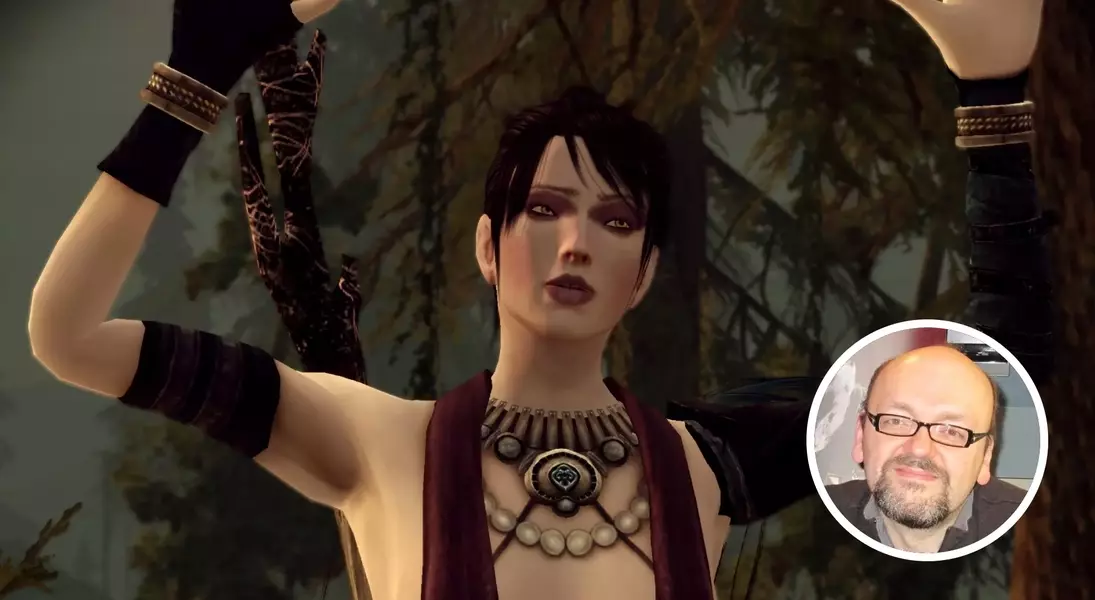


David Gaider, the visionary behind the revered Dragon Age universe, is navigating the turbulent waters of game development with his new heist RPG. This article delves into his journey, from his formative years at BioWare to his current independent endeavors, offering a candid look at the challenges of game funding, the evolution of RPG design, and his personal philosophies on creating compelling character-driven narratives.
Crafting Worlds, Confronting Realities: Gaider's Vision for RPGs
From Thedas to Airships: A New Creative Direction
David Gaider, known for his instrumental role in shaping BioWare's acclaimed Dragon Age series, has embarked on a fresh creative venture. His latest project is a heist-themed RPG featuring a crew of rogues in an airship, aiming for a lighter tone compared to his previous dark fantasy works like Baldur's Gate 2 and Neverwinter Nights. This shift reflects a personal desire to inject more humor and optimism into his storytelling, responding to a global need for uplifting content.
The Funding Gauntlet: Navigating a Tight Market
The current gaming industry presents a formidable challenge for independent studios seeking funding. Gaider highlights a significant contraction in the market over the past three years, characterized by widespread layoffs and a cautious investment climate. Publishers are increasingly reluctant to back new, unproven concepts, preferring projects that are already substantially developed, thus minimizing their financial risk. This environment has forced his studio to significantly expand their prototype beyond initial expectations to attract necessary investment.
The Impact of Industry Giants: A Lesson from Stray Gods
Gaider recounts how the unexpected success and early release of Baldur's Gate 3 severely impacted his previous game, Stray Gods. He suggests that the sudden launch, driven by Larian's concerns about competing with Starfield, overshadowed Stray Gods, making it difficult for the narrative-driven musical RPG to gain traction. This experience underscores the precarious position smaller studios face when vying for attention alongside AAA titles.
The Evolution of Companion Mechanics: A Critique of Modern RPGs
Reflecting on the evolution of RPG design, Gaider voices concern over the diminishing emphasis on true character agency in contemporary games, particularly concerning companions. He argues that the trend towards making companions agreeable and easily dismissible detracts from the depth and impact of player choices. In earlier BioWare titles like Baldur's Gate 2 and Dragon Age: Origins, companions could betray players or abandon them, creating meaningful consequences that enhanced the narrative tension. He believes that the push for broader appeal and ease of play has inadvertently sacrificed the very elements that made BioWare's characters so beloved.
The Philosophy of Consequence: Empowering Player Choice
Gaider advocates for a return to RPG design where character relationships are dynamic and consequential. He believes that for characters to feel real, they must possess their own identities and be capable of disagreeing with or even opposing the player. This philosophy extends to narrative choices, where players should face genuine risks, including the potential for "failure" or irreversible outcomes, rather than being shielded from discomfort for the sake of accessibility. He argues that this approach fosters a more engaging and impactful gameplay experience.
Future Horizons: The Road Ahead for Summerfall Studios
The ongoing search for funding for his heist RPG is a critical moment for Summerfall Studios, representing a "make or break" scenario. Gaider remains philosophical about the studio's future, acknowledging the inherent uncertainties of the industry. He muses on the possibility of returning to a large-scale project like Dragon Age if the opportunity arose, expressing a desire to restore its original essence of dark, dangerous narratives and impactful player decisions. He also expresses a personal interest in working on titles like Owlcat's The Expanse, showcasing his enduring passion for compelling storytelling in gaming.
