
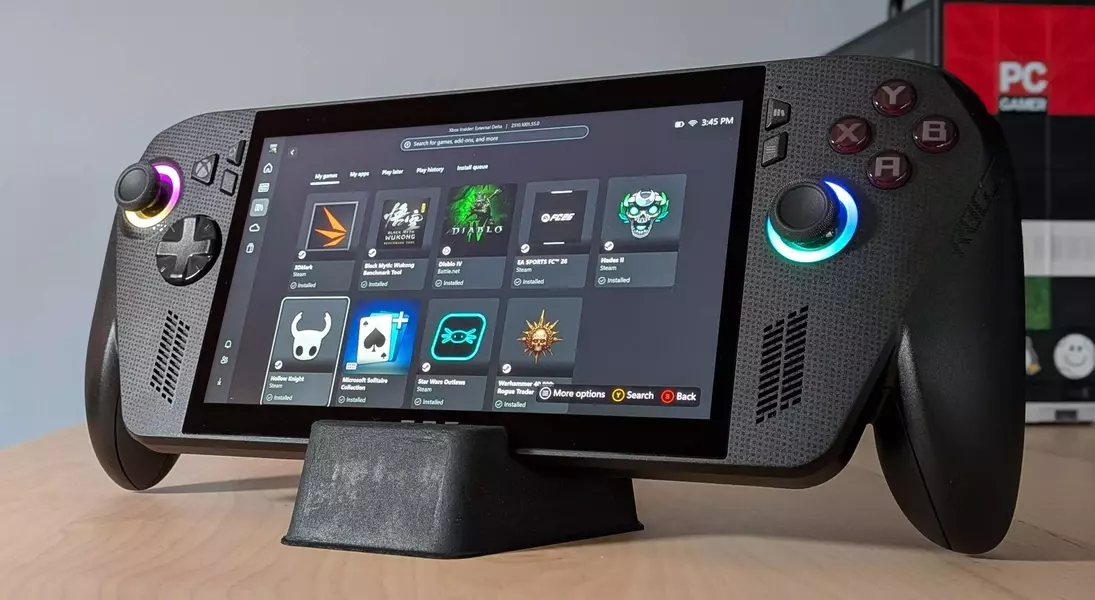
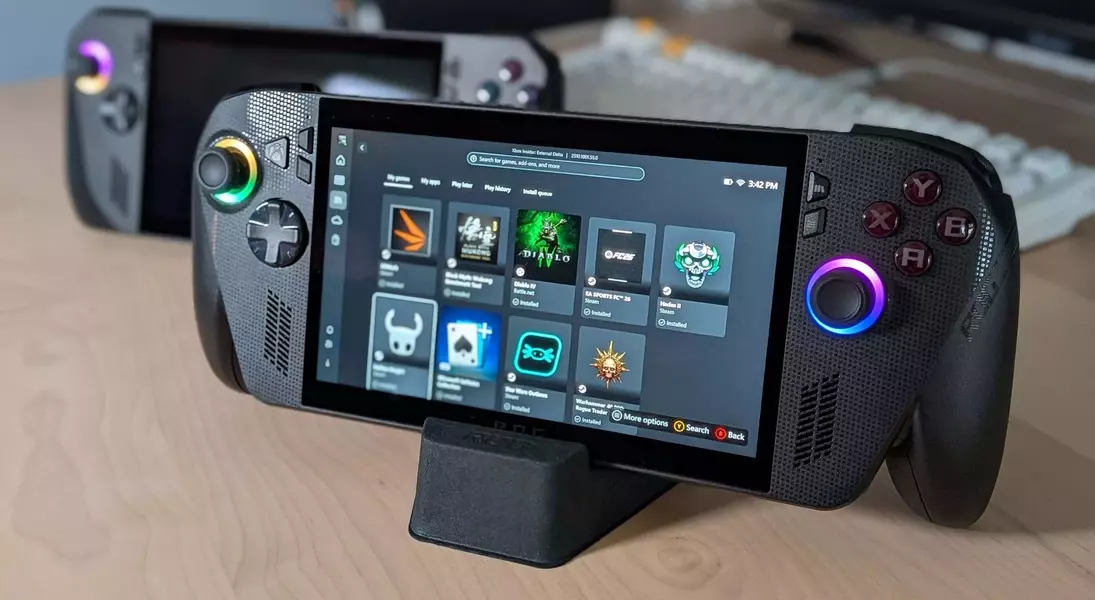
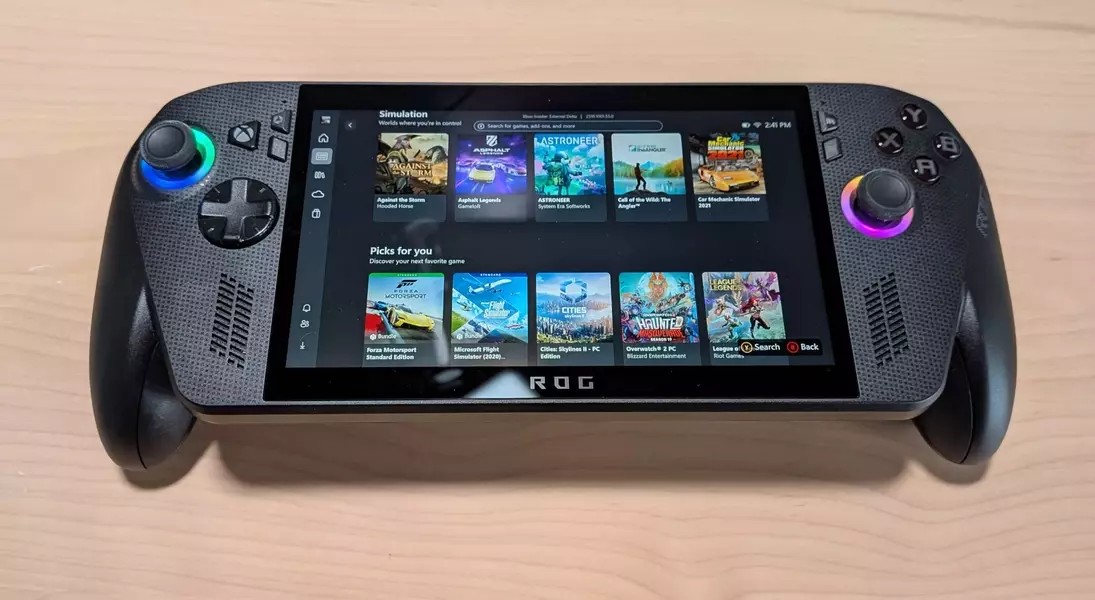
The landscape of portable gaming PCs has become increasingly challenging for consumers, with rising costs making high-performance devices less accessible. However, amidst this trend, the ASUS ROG Ally X has carved out a niche as a surprisingly cost-effective option, offering powerful specifications at a more reasonable price point compared to its competitors. This article explores why, despite the general inflation in the tech market, the ROG Ally X presents an appealing proposition for gamers.
Navigating the Soaring Costs of Portable Gaming
The Handheld Gaming Market's Price Dilemma
The author expresses a mixed sentiment towards portable gaming computers, acknowledging their appeal but lamenting their escalating prices. Initially, the desire was for more powerful yet more compact devices. However, recent trends show that affordability has become the primary concern, with many handhelds seeing significant price hikes since their initial release. What was once an accessible market has transformed into one requiring substantial investment, making it difficult for enthusiasts to justify purchases.
Competitive Landscape and Unjustified Price Increases
Examples like the Lenovo Legion Go S SteamOS, which saw its price surge from $830 to $1,332, and the MSI Claw 8 AI+, increasing from $900 to over $1,200, highlight the widespread problem of inflated prices. The upcoming Panther Lake-powered successor to the MSI Claw is projected to cost an astonishing $1,799. These dramatic increases reflect a broader issue within the PC gaming hardware sector, particularly exacerbated by the ongoing memory supply crisis, where memory and storage components have become remarkably expensive, driven largely by demand from artificial intelligence technologies.
The Unexpected Value of the ASUS ROG Ally X
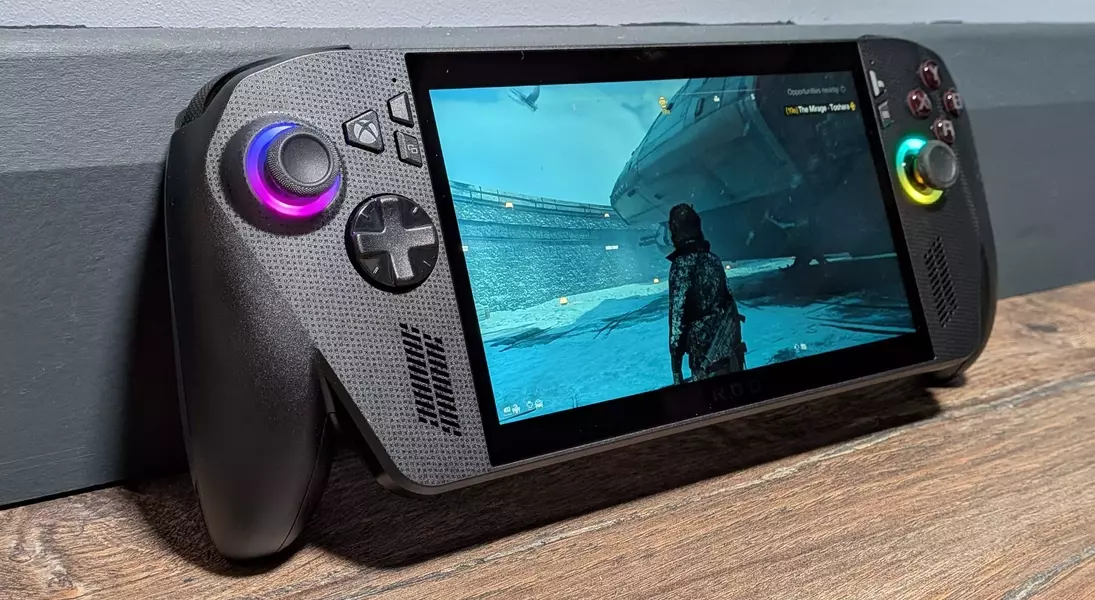
Despite these market conditions, the ASUS ROG Ally X, originally criticized for its "super-high price tag" of $1,000 just eight months prior, is now considered the best value in the segment. This reversal is largely due to its robust hardware, including an AMD Ryzen Z2 Extreme APU with RDNA 3.5 graphics and 24 GB of LPDDR5x-8000 RAM. These specifications allow it to outperform most other handhelds on the market. Additionally, it comes with a spacious 1 TB SSD, essential for modern games. While a non-X version exists at $600, its less powerful Ryzen Z2 A chip makes the $1,000 Ally X a more compelling investment for serious gamers.
User Experience and Operating System Advantages
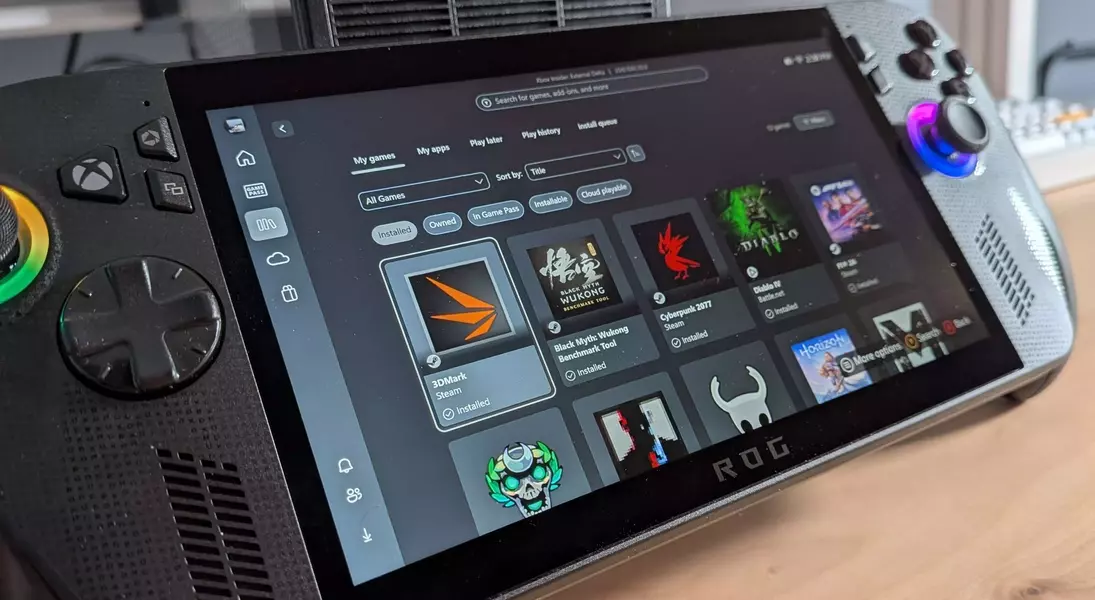
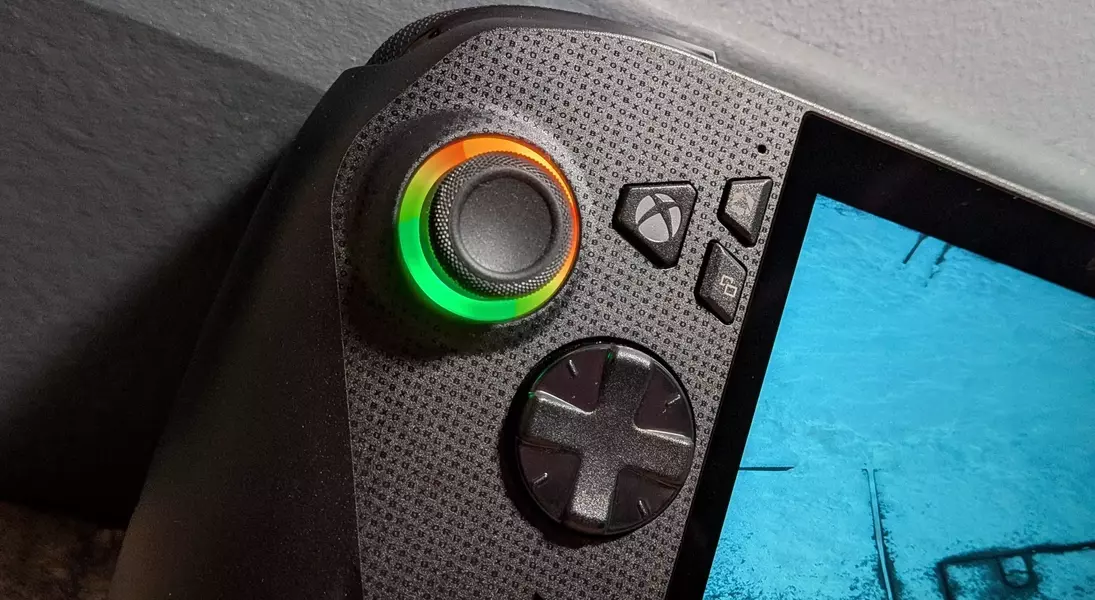
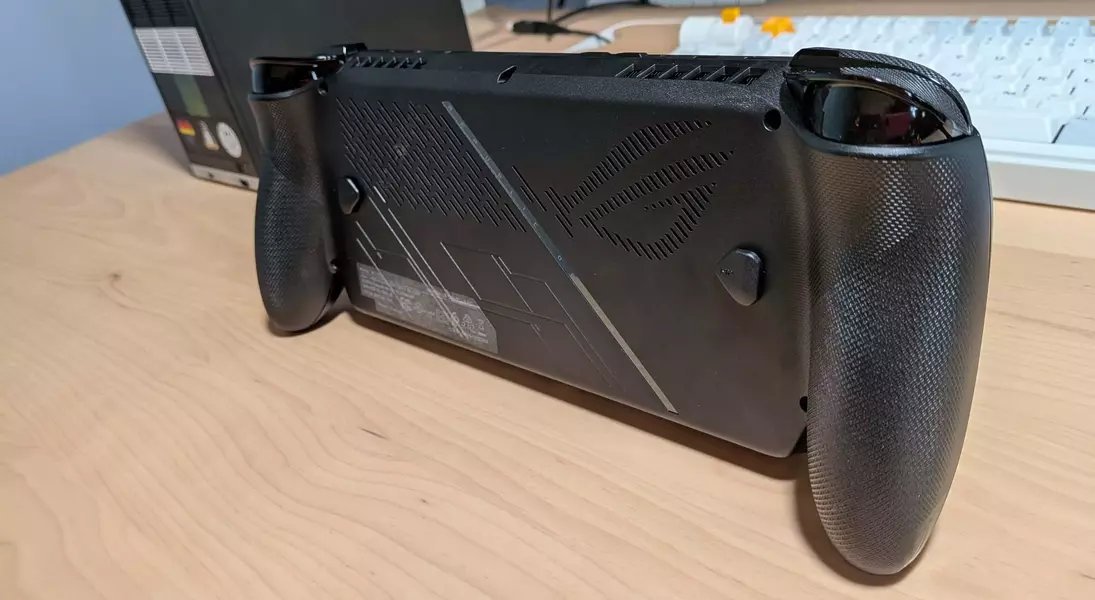
Beyond raw power, the ROG Ally X offers a solid user experience, particularly with its full-screen Windows Xbox interface. While not as streamlined as SteamOS, it provides a functional and intuitive way to navigate the system using thumbsticks. The option to utilize Steam's Big Picture Mode further enhances game library management. The device also boasts quiet operation and comfortable ergonomics, contributing to its overall appeal. The author emphasizes that it offers a "reasonably priced" option given the current market's exorbitant alternatives, marking it as a unique blend of performance and relative affordability.
Uncertainty in Future Handheld Market Dynamics
The author expresses surprise that the ROG Ally X has maintained its $1,000 MSRP for as long as it has, anticipating a potential price increase in the near future. This uncertainty reflects the volatile nature of the consumer electronics industry, especially with the persistent memory crisis expected to continue and worsen through 2027 and possibly 2028. The long-term viability of handheld gaming devices, particularly as anything other than niche luxury items, is questioned as prices continue to climb. The author concludes by noting the difficulty in recommending these devices wholeheartedly, especially when considering the already high cost of gaming as a hobby and the continuous, often unjustified, price escalations driven by external factors like AI demand.
