While Baldur's Gate 3 has garnered widespread acclaim, particularly for its immersive gameplay, a closer examination reveals a potential drawback in its narrative approach. The game's emphasis on extensive player freedom and numerous branching storylines, though innovative, paradoxically dilutes the overall impact and memorability of its core narrative and character development. This article delves into how an abundance of choice, while seemingly empowering, can ultimately diminish the emotional resonance and compelling nature of a story within a role-playing game context.
A significant point of contention arises in the game's portrayal of romances and character arcs. Unlike more traditional RPGs where relationships evolve through deeply scripted interactions and antagonists possess palpable gravitas, Baldur's Gate 3 often reduces these elements to a series of choices that feel more like checklists than genuine connections. This critical perspective highlights a potential pitfall in modern game design where the pursuit of endless possibilities might inadvertently sacrifice narrative depth and emotional investment, leaving players with a visually stunning but narratively less impactful experience.
The Paradox of Choice in Storytelling
The acclaimed Game of the Year, Baldur's Gate 3, frequently elicits a sentiment that its narrative and character craftsmanship surpass its gameplay. While not a universal belief among enthusiasts, this viewpoint still prompts reflection. As a seasoned RPG player, I find the gameplay engaging, yet I'm less captivated by the story and writing from Larian Studios. My frame of reference includes iconic RPGs such as Baldur's Gate 1 and 2, Planescape: Torment, Mass Effect 3, the Fable series, early Final Fantasy titles, and Chrono Trigger. These games, even as they offered player agency, meticulously centered their narratives, often with a few significant story paths. In essence, these classics had a specific story to impart, a distinction less evident in Baldur's Gate 3.
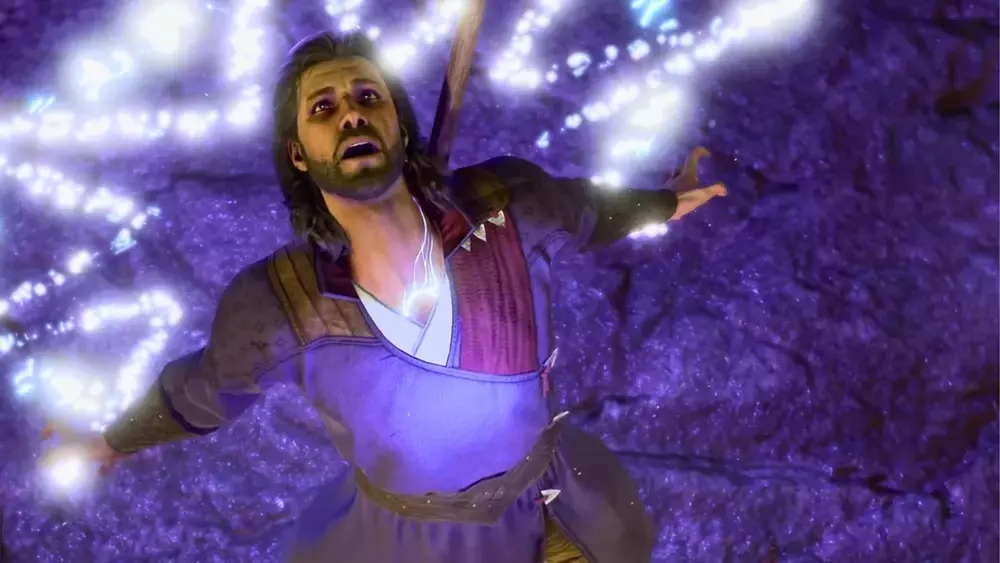
Larian's rendition of the Dungeons & Dragons universe is lauded for the freedom it grants players, a design choice that, in part, compensates for the absence of a truly open world. The developers famously cited the game as having 17,000 endings, a figure that, upon closer inspection, primarily accounts for minor variations rather than distinct narrative conclusions. This raises a crucial question: how extensively can a story be diversified with branches and alternatives before its core meaning or emotional weight dissipates? My experience suggests that Baldur's Gate 3 approaches this threshold. For instance, the decision to transform into a Mind Flayer late in the game, intended as a heroic sacrifice, often goes largely unacknowledged by companions, including romantic interests. Even a character's self-sacrifice moments lack memorable, impactful interactions, underscoring a dilution of narrative consequence.
Character Depth and Romantic Engagements
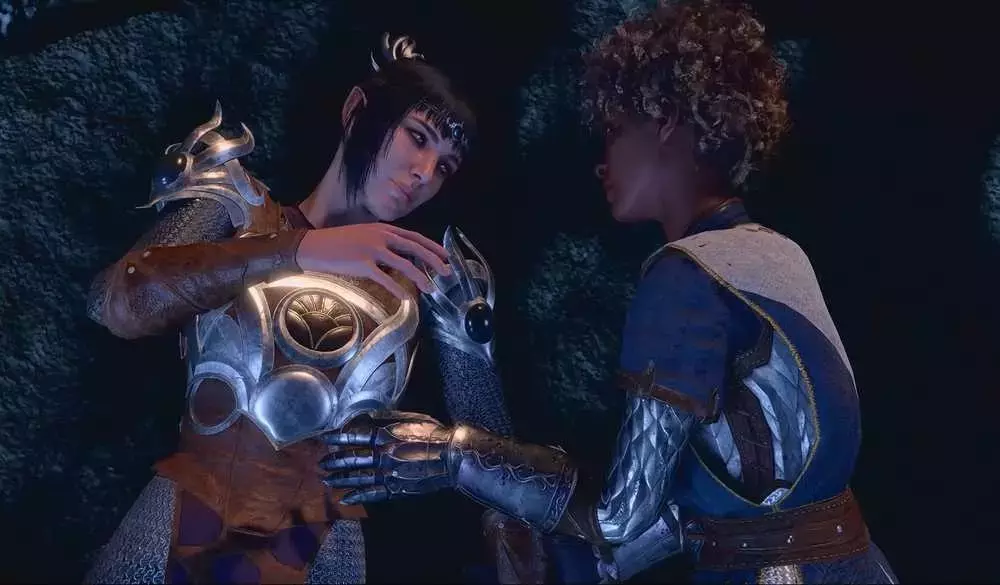
Romance is frequently highlighted as a core feature of Baldur's Gate 3, with promises of extensive relationship building with most companion NPCs. However, based on my multiple playthroughs, these interactions often feel more like transactional conquests than profound romantic journeys. Players engage in specific actions and dialogues to win over potential partners, fulfilling personal quests, after which the characters become 'yours.' While they offer occasional pleasantries and kisses, these romances seldom facilitate deeper character insight or significant personal growth, contrasting sharply with the richer romantic narratives found in older RPGs like the BioWare titles.
The companion approval system, reminiscent of early BioWare games, existed in titles such as Baldur's Gate 1 and 2, and the Mass Effect series. Yet, romances in those games often felt considerably more impactful. A prime example is Viconia from Baldur's Gate 2. Her path to romance was notoriously challenging, requiring specific responses that reflected strength rather than kindness to gain her respect, given her matriarchal drow upbringing. This intricate dance led to a gradual revealing of her vulnerabilities and traumatic past, culminating in an incredibly rewarding, albeit painful, journey. In contrast, Baldur's Gate 3's companion Lae'zel, while offering affection, doesn't exhibit the same level of transformative character development through romance. Her personal revelations about her goddess's deception occur independently of the romantic path, and while players can influence her rebellion, it doesn't necessitate a romantic bond. Moreover, Baldur's Gate 2's Viconia romance concluded with a poignant breakup, where she sacrificed her happiness to protect the protagonist, a testament to deep affection. Baldur's Gate 3, however, often leans into 'wish fulfillment,' as seen in later patch endings for characters like Karlach and Lae'zel, where inconvenient narrative consequences are easily sidestepped for a happier, though less impactful, resolution.
