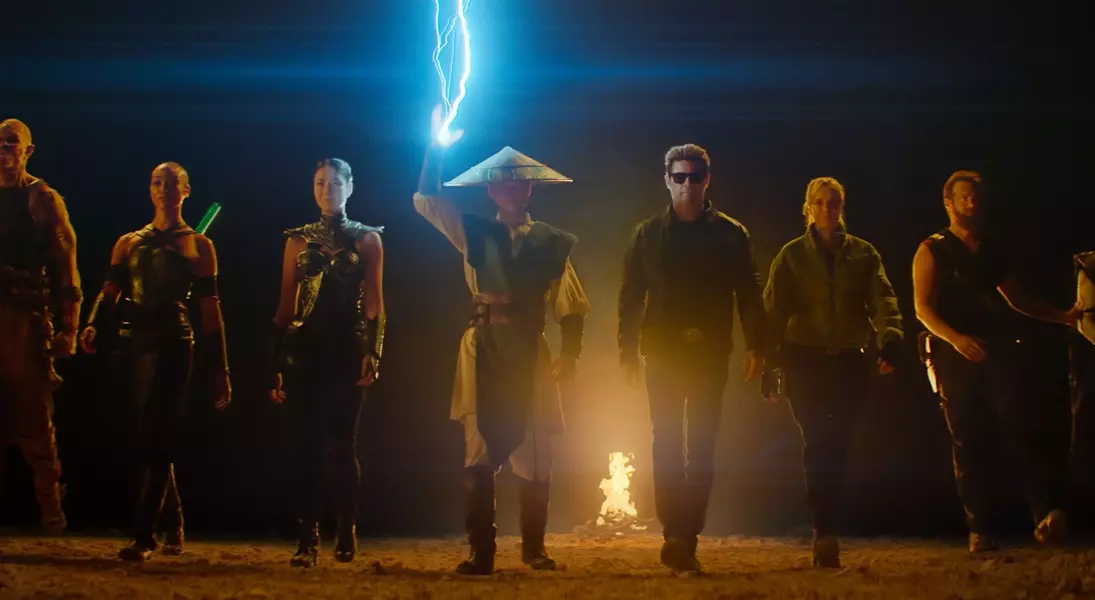
The recent cinematic release of "Mortal Kombat 2" has left viewers pondering numerous questions regarding the franchise's trajectory. Speculation abounds about the potential revival of vanquished characters and the true outcome of Liu Kang's climactic confrontation with Shao Kahn. A significant point of discussion is the promised "Mortal Kombat 3," a sequel that now faces uncertainty despite earlier confirmations.
While screenwriter Jeremy Slater had previously indicated that New Line and Warner Bros. had approved the next film, the lukewarm box office reception of "Mortal Kombat 2" has complicated matters. Grossing $129 million against an $80 million budget, its performance, though an improvement over the 2021 reboot, does not automatically guarantee a continuation, especially amidst Warner Bros.' current transitional period. Director Simon McQuoid addressed the unresolved plotlines and the enigmatic conclusion of Liu Kang's story in a recent interview, offering insights into the creative choices made to keep future narrative possibilities open.
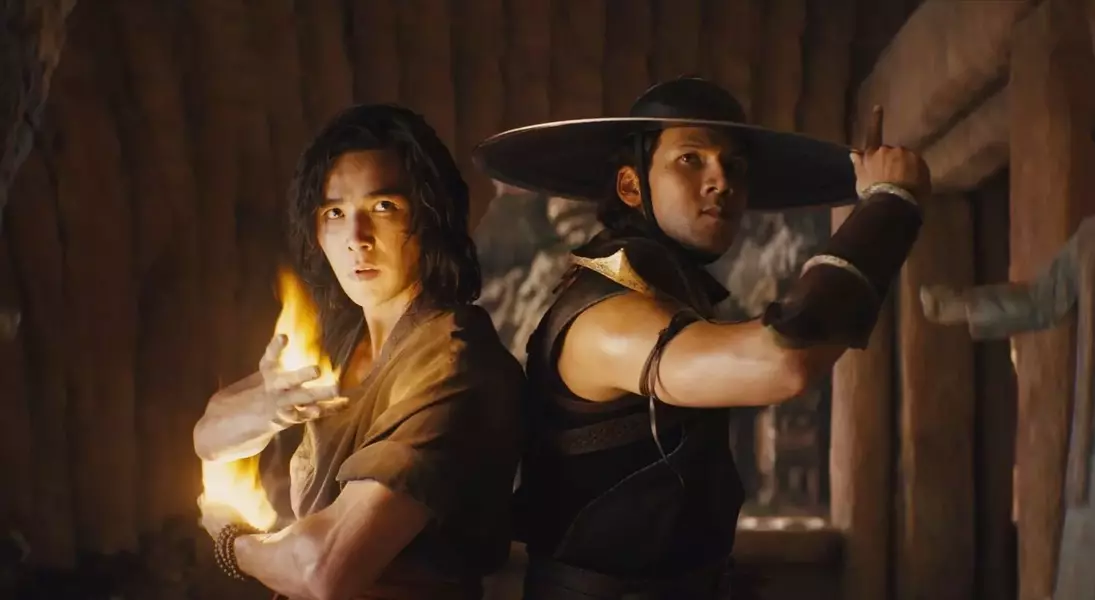
A pivotal and highly anticipated moment in "Mortal Kombat 2" was the symbolic clash between a reanimated Kung Lao and Liu Kang within the iconic Blue Portal setting. Director McQuoid meticulously crafted this encounter to visually echo their deep-seated bond, emphasizing the emotional core of their conflict. He elaborated on Liu Kang's ambiguous "exit," explaining it was designed to uphold the character's inherent nobility and spiritual essence, allowing for future developments. The decision to leave character fates somewhat open-ended aims to maintain audience engagement and curiosity, ensuring that each narrative progression feels fresh and intriguing, rather than conclusive. The ultimate fate of a third "Mortal Kombat" film hinges largely on the long-term success of "Mortal Kombat 2" on streaming platforms and physical media, a decision that McQuoid suggests is still some months away from being finalized.
Ultimately, the creators have prioritized maintaining narrative flexibility for the beloved characters, recognizing that audience reception and evolving viewing habits will be the true determinants of the franchise's cinematic future. The journey of "Mortal Kombat" is a testament to the enduring power of storytelling, where every unresolved question sparks anticipation and fuels the imagination, reminding us that even in cinematic battles, hope for new beginnings always remains.
